
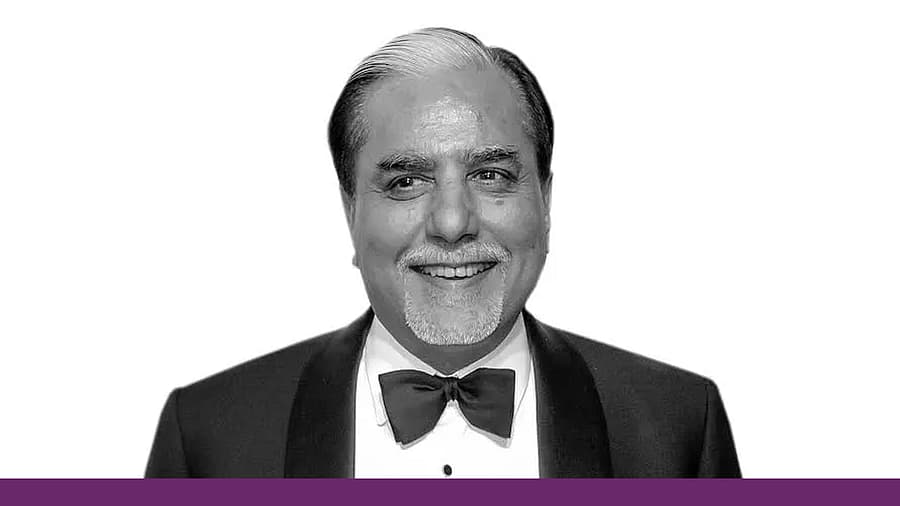
NCLAT: Subhash Chandra Liability Appeal Challenges Reduced Debt
Summary
- The NCLAT is set to hear an appeal against an NCLT order that drastically reduced Essel Group founder Subhash Chandra's insolvency liability.
- The NCLT decision cut Chandra's liability from approximately ₹22,000 crore to ₹6.25 crore, allowing creditors to recover only 0.028% of their claims.
- Solicitor General Tushar Mehta, representing a creditor, argued that the NCLT's order undermines the fundamental purpose of the Insolvency and Bankruptcy Code.
- The insolvency proceedings against Chandra began in 2022, initiated by Indiabulls Housing Finance (now Sammaan Capital) under IBC Section 95, for a ₹170 crore loan where he was a personal guarantor.
- The NCLAT bench, including Justice Yogesh Khanna, agreed to schedule the urgent hearing after reviewing the case files.
The Appeal Against NCLT's Ruling
This appeal against the NCLT's decision in the Subhash Chandra case carries significant weight for the interpretation and application of the Insolvency and Bankruptcy Code, particularly concerning personal guarantor liabilities.
The National Company Law Appellate Tribunal (NCLAT) is poised to review a highly contested decision by the National Company Law Tribunal (NCLT) regarding the insolvency proceedings against Essel Group founder Subhash Chandra. The NCLT's ruling dramatically reduced Mr. Chandra's personal liability from an estimated ₹22,000 crore to a mere ₹6.25 crore. This outcome implies that creditors would recover only approximately 0.028% of their original claims, a figure that has drawn significant criticism.
Creditors expressed strong dissatisfaction with the NCLT's verdict and announced their intention to challenge the decision. Solicitor General (SG) Tushar Mehta, representing one of the affected creditors, recently sought an urgent listing before the NCLAT for a petition disputing the NCLT-approved repayment plan. Mehta argued that if the NCLT order were allowed to stand, it would fundamentally undermine the core objectives of the Insolvency and Bankruptcy Code (IBC).
Background of the Insolvency Case
The insolvency challenge against Subhash Chandra originated in 2022, initiated by Indiabulls Housing Finance Limited, which is now known as Sammaan Capital. These proceedings were triggered by Mr. Chandra's role as a personal guarantor for a ₹170 crore loan that had been extended to Vivek Infracon. Following the default of this loan, Indiabulls Housing Finance took legal action.
In 2022, Indiabulls approached the NCLT, invoking Section 95 of the IBC to commence insolvency proceedings against Mr. Chandra. The tribunal formally admitted the plea in 2024, setting the stage for the current insolvency process. Subsequently, several other creditors also joined the ongoing proceedings against the Essel Group founder, further expanding the scope of the NCLT Subhash Chandra order appeal.
Arguments Before the Appellate Tribunal
During his urgent appeal to the NCLAT, Solicitor General Tushar Mehta emphasized the profound implications of the NCLT's decision. He contended that upholding the NCLT's order would effectively defeat the very purpose of India's Insolvency and Bankruptcy Code. Mehta presented the matter before a specific NCLAT Bench, which included Officiating Chairperson Justice Yogesh Khanna, alongside Technical Members Banu Mitra and Ajai Das Mehrotra.
Initially, SG Mehta requested an immediate hearing from the tribunal. However, the NCLAT Bench indicated that they required additional time to thoroughly review the case files. Consequently, the appellate tribunal agreed to schedule the hearing for the following day, acknowledging the urgency of the Subhash Chandra NCLAT liability appeal while ensuring due process.
Implications for IBC and Guarantor Liability
This appeal against the NCLT's decision in the Subhash Chandra case carries significant weight for the interpretation and application of the Insolvency and Bankruptcy Code, particularly concerning personal guarantor liabilities. The drastic reduction in the acknowledged debt, if ultimately upheld, could establish a precedent that challenges the effectiveness of creditor recovery mechanisms under the IBC.
The NCLAT's eventual ruling will be closely monitored by legal professionals and financial institutions alike. It holds the potential to clarify the scope of personal guarantor responsibilities and either reinforce or redefine the fundamental 'purpose' of the IBC in ensuring equitable resolution for distressed assets, especially in cases involving high-profile individuals like those in the Essel Group insolvency challenge.
Practical Implications
Lawyers advising creditors or personal guarantors under India's IBC should closely monitor the NCLAT's decision in this appeal, as it could significantly impact the interpretation of creditor recovery rights and the enforceability of personal guarantor liabilities, potentially setting a precedent for future insolvency proceedings.
Source
How does this affect you?
Get an AI analysis of this article grounded in your jurisdictions, practice areas, and any policy documents you've uploaded to Wansom.
Finish Reading the Full Story and the Expert Analysis.
Wansom is AI and can make mistakes.