
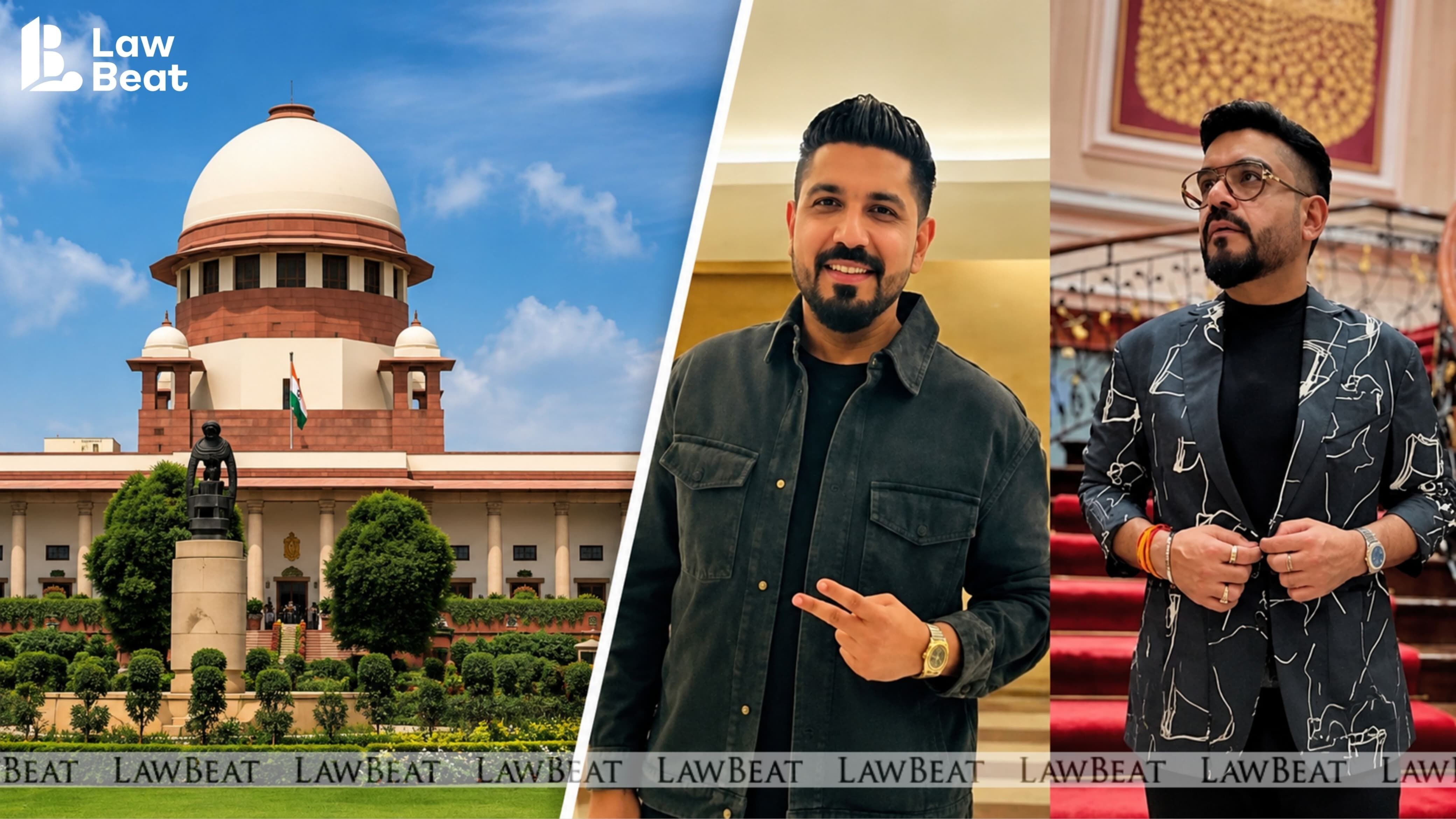
Supreme Court: Upholds Goa Nightclub Fire Bail Cancellation for 3 Accused
Summary
- The Supreme Court upheld the cancellation of bail for three accused in the 2025 Goa nightclub fire that resulted in 25 fatalities and approximately 50 injuries.
- Nightclub owners Saurabh Luthra and Gaurav Luthra, along with business partner Ajay Gupta, were directed to surrender within two weeks from August 31.
- The Bombay High Court had previously cancelled their bail, criticizing the Sessions Court for failing to properly exercise its discretionary powers and for understating the gravity of the alleged offence.
- The High Court's decision was based on findings that the Birch by Romeo Lane nightclub operated without licenses, had an unauthorized structure, and that the accused were aware of fire-related risks without adequate safety measures.
- Defense arguments, including claims that Section 304 Part II IPC was inapplicable and that alternative bail conditions could address concerns, were rejected by the Supreme Court.
Supreme Court Upholds Bail Cancellation in Goa Nightclub Fire Case
The Supreme Court's refusal to interfere with the Bombay High Court's decision underscores a stringent judicial stance on bail cancellation, particularly in cases involving serious public safety violations and alleged gross negligence by business owners.
The Supreme Court of India recently affirmed the cancellation of bail for three individuals accused in the devastating 2025 Goa nightclub fire, which tragically claimed 25 lives and left approximately 50 others injured. The apex court declined to intervene with the Bombay High Court's decision, which had previously revoked the bail granted by a Sessions Court to nightclub owners Saurabh Luthra and Gaurav Luthra, along with their business partner Ajay Gupta. This ruling mandates that the trio surrender within two weeks.
The Bench, comprising Justices Dipankar Datta and Sheel Nagu, dismissed the petitions lodged by the accused challenging the High Court's order. The Supreme Court also issued a directive for the trial court to accelerate the proceedings, particularly focusing on the framing of charges against the accused. This decision marks a significant development in the ongoing legal battle stemming from the December 6, 2025, blaze at the Birch by Romeo Lane nightclub, located in Arpora, North Goa.
Following the Supreme Court's dismissal of their pleas, Senior Advocate Shyam Divan, representing Ajay Gupta, requested a two-week period for his client to surrender. The Court granted this request, stipulating that all three accused must surrender by August 31. This directive underscores the finality of the Supreme Court's decision regarding the Goa nightclub fire SC bail cancellation.
High Court's Scrutiny of Sessions Court Discretion
The legal journey to the Supreme Court began after the Goa Government challenged the initial bail order issued by a Sessions Court in April 2026. The Bombay High Court, on August 18, had subsequently overturned this decision, finding fault with the Sessions Court's exercise of its discretionary powers. Justice Neela Gokhale, presiding over the High Court, specifically criticized the Sessions Court's observation that the alleged offence was not as severe as murder or dacoity.
The High Court's assessment was based on material gathered during the investigation, which indicated that the Birch by Romeo Lane nightclub was allegedly operating without the necessary licenses. Furthermore, the High Court noted that the structure itself was reportedly unauthorized. Crucially, allegations suggested that the accused and their partners, who operated the establishment under M/s Being GS Hospitality Arpora LLP, were aware of the inherent risks associated with conducting fire-related displays within the premises without adequate safety precautions.
These findings by the Bombay High Court formed the bedrock for its decision to cancel the bail, highlighting a perceived failure by the lower court to fully appreciate the gravity of the charges and the potential for gross negligence in the Birch by Romeo Lane fire case.
Defense Arguments and the Supreme Court's Rejection
Before the Supreme Court, the accused presented their arguments against the bail cancellation. Senior Advocate Siddharth Dave, representing the Luthra brothers, contended that no specific act directly attributable to his clients had caused the deaths. He argued that Section 304 Part II of the Indian Penal Code (IPC), which pertains to culpable homicide not amounting to murder, was not applicable under the circumstances. Instead, Dave suggested that, at most, the prosecution could seek to establish an offence related to death caused by negligence under Section 304A of the IPC, asserting that the prosecution would need to prove an act causing death for Section 299 IPC (culpable homicide) to apply.
Dave further submitted that the concerns raised by the Bombay High Court regarding the absence of conditions for periodic attendance before investigating officers or restrictions on travel could be adequately addressed by imposing appropriate bail conditions. He also informed the court that the Luthra brothers had no immediate plans for travel. Despite these submissions, the Supreme Court remained unswayed, with Justice Dipankar Datta succinctly stating, “Dismissed,” thereby upholding the Supreme Court bail cancellation India.
Implications for Judicial Discretion and Public Safety
The Supreme Court's refusal to interfere with the Bombay High Court's decision underscores a stringent judicial stance on bail cancellation, particularly in cases involving serious public safety violations and alleged gross negligence by business owners. The ruling reinforces the principle that higher courts will scrutinize the exercise of judicial discretion by lower courts, especially when fundamental errors in judgment or a misappreciation of facts are evident.
This outcome sends a clear message regarding accountability in incidents where commercial establishments are found to be operating in contravention of safety regulations and without proper authorization. The emphasis on the alleged operational irregularities of the Goa nightclub, including the absence of requisite licenses and an unauthorized structure, highlights the judiciary's concern for statutory compliance and risk awareness. The directive to expedite the trial proceedings further signals the urgency with which such serious cases are expected to be handled, ensuring that justice is not unduly delayed.
Practical Implications
This ruling reinforces the Supreme Court's stringent stance on bail cancellation, particularly in cases involving serious public safety violations and alleged gross negligence by business owners. Lawyers should note the emphasis on proper judicial discretion at the High Court level and the potential for higher courts to overturn lenient bail grants, especially where statutory compliance and risk awareness are central to the charges.
Source
Source: Original reporting via Live Law
How does this affect you?
Get an AI analysis of this article grounded in your jurisdictions, practice areas, and any policy documents you've uploaded to Wansom.
Finish Reading the Full Story and the Expert Analysis.
Wansom is AI and can make mistakes.