
Stavros Floros: Files $100M+ Survivor Greece Lawsuit after Boating Accident
Summary
- Stavros Floros, a contestant on Survivor Greece, is suing producers for over $100 million after losing a leg in a boating accident during filming in the Dominican Republic.
- His leg was severed above the knee by a tour boat's propellers on May 11 while he was spearfishing for food.
- The 61-page lawsuit, filed in Miami-Dade County, Florida, names Turkish media company Acun Medya and Greek television station Skai Television as defendants.
- Floros alleges negligence, civil conspiracy, and violations of maritime law, claiming producers ignored dangers, provided inadequate safety gear, and attempted to cover up the incident.
- The lawsuit was filed in Florida due to Acun Medya owner Acun Ilicali's established ties to Miami.
Contestant Files Major Lawsuit After On-Set Accident
The extensive 61-page complaint alleges that producers disregarded known hazards in the waters near Bayahibe, failed to provide adequate safety equipment, and subsequently attempted to conceal the incident to evade accountability.
A former contestant on the popular reality television series Survivor Greece has initiated a substantial legal claim, seeking over $100 million in damages following a severe boating accident during production in the Dominican Republic. Stavros Floros, the plaintiff, filed a 61-page complaint in Miami-Dade County, Florida, alleging profound negligence and other serious misconduct by the show's producers.
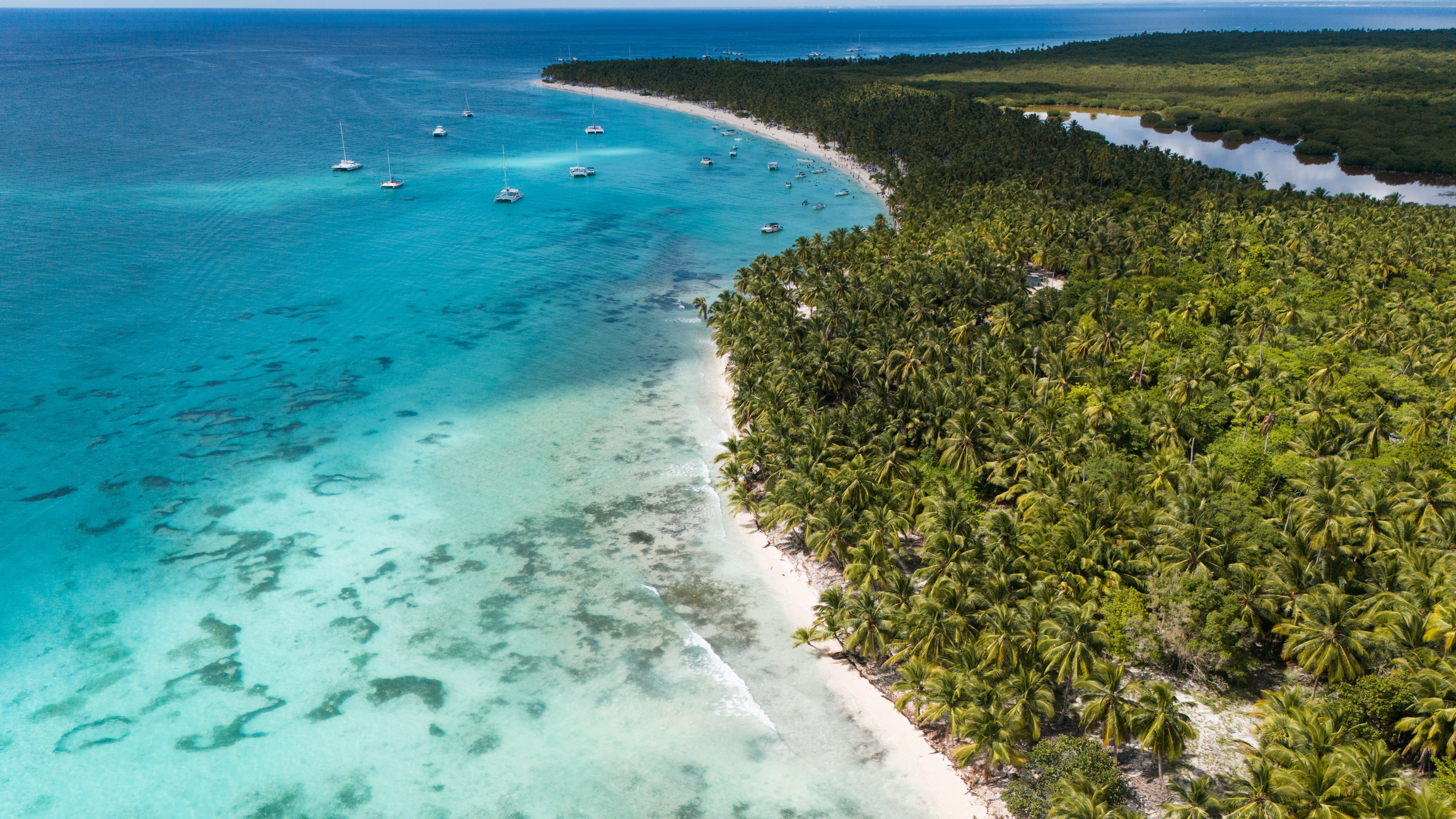
Floros's lawsuit details how his leg was severed above the knee by a tour boat's propellers on May 11, while he was participating in a spearfishing segment for the program. The incident occurred in the waters near Bayahibe. Following the traumatic injury, occupants of the boat reportedly pulled Floros aboard, applied a tourniquet, and transported him to a local medical facility.
The legal action, filed on a Wednesday, targets Turkish media company Acun Medya, along with its various subsidiaries, and Greek television station Skai Television as defendants. The extensive complaint outlines claims of negligence, civil conspiracy, and violations of maritime law, painting a picture of a production environment that allegedly prioritized filming over participant safety. This Stavros Floros Survivor Greece lawsuit brings significant attention to participant welfare in reality television.
Allegations of Negligence and Cover-Up
Central to Floros's legal challenge are allegations that the production companies failed in their fundamental duty to protect contestants. The lawsuit contends that producers disregarded known hazards present in the waters near Bayahibe, where participants were spearfishing for sustenance. Furthermore, it asserts that inadequate safety gear was provided to contestants, directly contributing to the severity of the accident.
The Acun Medya boating accident lawsuit specifically claims that the show's producers did not adequately safeguard participants during the high-risk spearfishing activity. Beyond the alleged safety lapses, Floros's complaint includes a serious accusation that the producers attempted to conceal the accident from authorities and the public, an alleged effort to avoid liability for the incident. This Skai Television negligence claim highlights a potential systemic failure in participant protection protocols.
Jurisdictional Strategy and Maritime Law Implications
The decision to file the Miami-Dade County personal injury lawsuit in Florida, despite the incident occurring in the Dominican Republic, is a strategic element of Floros's case. The complaint explains that Acun Ilicali, the owner of Acun Medya, maintains established connections to the Miami area, providing a jurisdictional nexus for the legal proceedings.
This aspect of the case introduces complex considerations of international law and jurisdiction, particularly concerning the application of maritime law. The Survivor Dominican Republic maritime law claim suggests that the incident, occurring on navigable waters, falls under specific legal frameworks governing activities at sea. The lawsuit's claims of negligence and civil conspiracy further underscore the multifaceted legal challenges faced by international media productions operating in diverse regulatory environments.
Broader Implications for Reality TV Participant Safety
The substantial damages sought and the nature of the allegations in this case carry significant implications for the broader reality television industry. It underscores the considerable liability exposure faced by media production companies, particularly when engaging in high-risk activities in international settings. The incident serves as a stark reminder of the critical importance of robust participant safety protocols and comprehensive risk assessments.
This lawsuit highlights the ongoing debate surrounding reality TV participant safety liability and the duty of care owed to individuals participating in such programs. The allegations of ignored dangers and inadequate safety equipment, coupled with claims of an attempted cover-up, could prompt closer scrutiny of operational standards across the industry, especially for shows filmed in remote or challenging environments where immediate medical and safety resources might be limited.
Practical Implications
This case highlights the significant liability exposure for media production companies regarding participant safety, particularly in international settings involving high-risk activities and potential maritime law implications. Lawyers and compliance officers should review duty of care protocols for reality TV productions and understand the jurisdictional strategies employed in cross-border personal injury claims.
Source
How does this affect you?
Get an AI analysis of this article grounded in your jurisdictions, practice areas, and any policy documents you've uploaded to Wansom.
Finish Reading the Full Story and the Expert Analysis.
Wansom is AI and can make mistakes.