
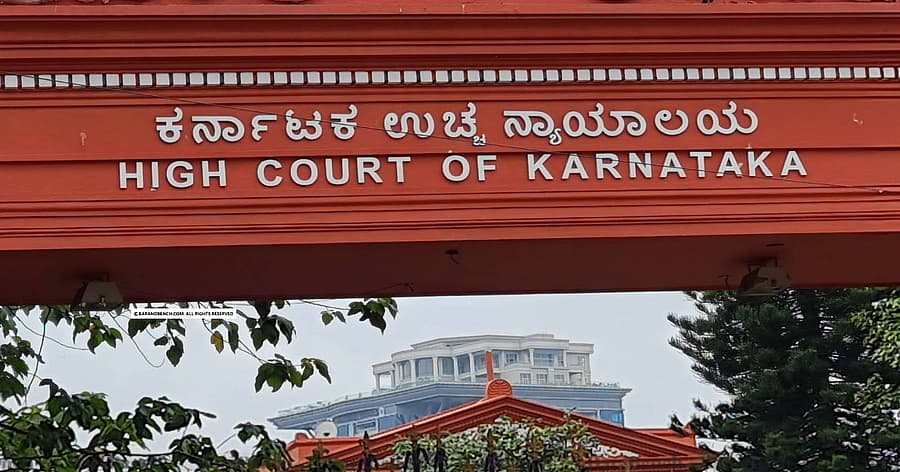
State Of Karnataka V Abdul Sharief Judgment: Acquittal Overturned, Life
Summary
- The Karnataka High Court sentenced retired KSRTC driver Abdul Sharief to life imprisonment for the murder of six people.
- The court overturned a 2018 trial court acquittal, convicting Sharief for setting a house on fire with petrol in Mysuru on April 12, 2013.
- Justices H P Sandesh and B Pramod ruled that the trial court had misread material evidence in its initial decision.
- The prosecution alleged Sharief acted out of resentment towards a doctor, to whom he owed money and who refused his request for slow poison.
High Court Overturns Acquittal, Sentences KSRTC Driver to Life
This appellate decision, which resulted in Abdul Sharief life imprisonment, underscores the rigorous scrutiny applied by higher courts in serious criminal cases, particularly when reviewing trial court judgments that initially acquitted defendants.
The Karnataka High Court has delivered a significant verdict in the `State of Karnataka v Abdul Sharief judgment`, sentencing a 63-year-old retired driver to life imprisonment. The ruling, issued on August 29 by a Division Bench comprising Justice H P Sandesh and Justice B Pramod, overturned an earlier acquittal by a trial court. The accused, Abdul Sharief, formerly a driver with the Karnataka State Road Transport Corporation (KSRTC), was found guilty of a horrific crime dating back to 2013, involving the deaths of multiple individuals.
Sharief was convicted for the murder of six persons, who tragically perished in a house fire he deliberately started. The method involved pouring petrol through a window of the residence and then igniting it with a matchstick. This appellate decision, which resulted in `Abdul Sharief life imprisonment`, underscores the rigorous scrutiny applied by higher courts in serious criminal cases, particularly when reviewing trial court judgments that initially acquitted defendants. The High Court's intervention ensures that justice is pursued even years after an initial verdict.
The 2013 Incident and Alleged Motives
The tragic incident unfolded in Mysuru during the early hours of April 12, 2013, around 3 AM. At the time, a doctor and seven members of his family were asleep inside their home. According to the prosecution's allegations, Abdul Sharief approached the house, poured petrol through a window, and then used a matchstick to set the dwelling ablaze before making his escape. The inferno tragically claimed the lives of six people.
The prosecution posited that Sharief harbored deep resentment towards the doctor. This animosity reportedly stemmed from Sharief owing the doctor money for medical treatment. Further allegations emerged from the doctor's daughter, a survivor of the fire, who stated that Sharief had previously requested the doctor to provide him with slow poison, intending to use it to kill his first wife. The doctor's refusal to comply with this request is said to have intensified Sharief's ill will, ultimately leading him to set the doctor's house on fire.
Legal Journey and Appellate Review
Following the 2013 crime, a trial court initially acquitted Abdul Sharief in 2018, concluding the initial judicial process. However, the State of Karnataka subsequently challenged this verdict, initiating an appeal before the `Karnataka High Court`. This crucial step in the legal process allowed for a re-examination of the evidence and the trial court's findings. The appellate review process culminated in the High Court's decision to overturn the acquittal and convict Sharief, thereby reversing the earlier judgment.
The Division Bench, led by `Justice H P Sandesh` and `Justice B Pramod`, critically assessed the trial court's proceedings and found that it had fundamentally `misread material evidence` presented during the initial proceedings. This misinterpretation, coupled with an alleged tendency to magnify minor discrepancies in the evidence, was deemed to have led to the erroneous acquittal. This outcome highlights the critical role of `appellate review criminal acquittal India` in ensuring justice, particularly when lower courts are found to have overlooked or misinterpreted crucial facts. The `Abdul Sharief life imprisonment` conviction demonstrates the potential for successful appeals by the State against acquittals, significantly impacting strategies for both prosecution and defense in such serious criminal cases.
Practical Implications
This ruling provides a significant precedent for criminal lawyers regarding the appellate court's power to overturn a trial court's acquittal, particularly when material evidence has been misread. It underscores the rigorous scrutiny applied by higher courts in serious criminal cases and the potential for successful appeals by the State against acquittals, impacting strategies for both prosecution and defense.
Source
Source: Based on original reporting.
How does this affect you?
Get an AI analysis of this article grounded in your jurisdictions, practice areas, and any policy documents you've uploaded to Wansom.
Finish Reading the Full Story and the Expert Analysis.
Wansom is AI and can make mistakes.