
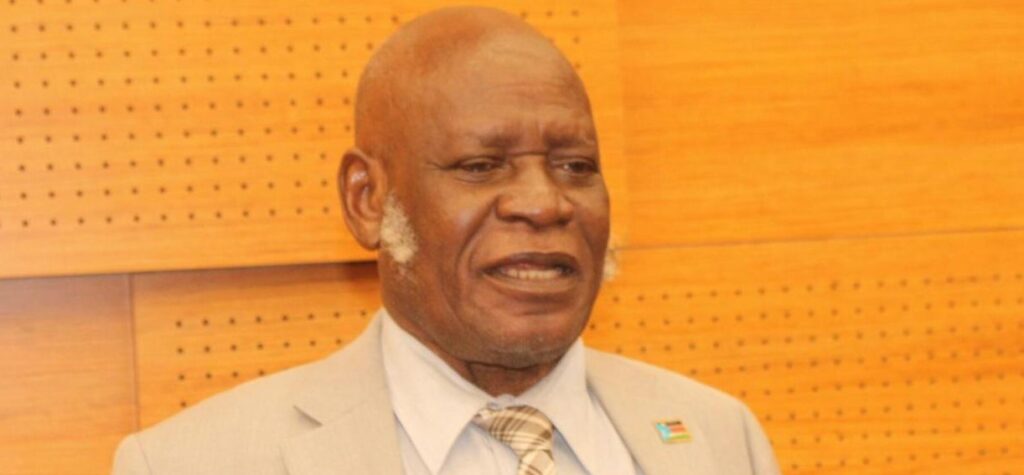
South Sudan: TNLA Passes Transitional Constitution Amendment 13
Summary
- South Sudan's parliament unanimously passed Amendment No. 13 to the Transitional Constitution, aiming to remove legal obstacles for the December 22, 2026, general elections.
- The amendment separates the election process from the previously required permanent constitution-making and national census.
- The session was held behind closed doors due to national security concerns, as stated by Speaker Joseph Paciko Ngere.
- Lawmakers rejected 13 cabinet proposals that would have reduced the number of national parliamentarians, retaining Articles 56(2), 58(2), and 94.
- The bill now awaits presidential assent, with the president having 30 days to sign it or return it with reasons.
What Happened
The amendment specifically modifies several articles within the transitional constitution, including Articles 53(3)(d) and (m), 104(9), (10), and (14), as well as 202(4), thereby directly addressing the identified impediments.
South Sudan's Transitional National Legislative Assembly (TNLA) recently enacted significant constitutional amendments, completing all legislative stages in a single day. The move, which occurred on a Tuesday, was designed to clear legal hurdles ahead of the country's general elections slated for December 22, 2026. The session itself was conducted behind closed doors, with journalists and the public instructed to vacate the premises, a decision Speaker Joseph Paciko Ngere attributed to national security considerations.
The legislative body unanimously approved the Transitional Constitution of South Sudan, 2011 (Amendment) No. 13 Bill 2026. This unanimous passage was later confirmed by parliamentary spokesperson Oliver Mori Benjamin to Radio Tamazuj, underscoring the broad consensus among lawmakers on the core objectives of the bill.
Legislative Action and Key Changes
Justice and Constitutional Affairs Minister Wek Mamer Kuol initially presented the amendment bill to parliament last month. Its central aim is to decouple the electoral process from two previously mandated prerequisites: the establishment of a permanent constitution and the completion of a national population and housing census. These requirements had been identified as significant impediments to holding elections.
The cabinet had already given its approval to the bill on August 7, following a meeting presided over by President Salva Kiir Mayardit. At that time, the executive emphasized the necessity of these changes to eliminate legal obstacles hindering the planned elections. The amendment specifically modifies several articles within the transitional constitution, including Articles 53(3)(d) and (m), 104(9), (10), and (14), as well as 202(4), thereby directly addressing the identified impediments.
Contentious Provisions and Legislative Pushback
Despite the overall agreement on the bill's primary objective, lawmakers did not uniformly endorse all of the cabinet's initial proposals. Specifically, members of parliament opposed certain provisions that would have altered the composition of the national legislature. Bol Joseph Agau, representing the opposition National Democratic Movement (NDM), informed Radio Tamazuj that parliament ultimately rejected 13 distinct proposals put forward by the cabinet.
These rejected proposals notably included the cabinet's suggestion to entirely delete Articles 56(2), 58(2), and 94 from the constitution. However, the TNLA's Legislation and Justice Committee, under the leadership of Dengtiel Ayuen, opted to retain these specific provisions. Agau clarified that the retained articles, which encompass rules governing the structure of parliament, do not pose any barrier to conducting elections in December and were not among the essential changes required to facilitate the polls. He further indicated that these proposed alterations extended beyond what had been agreed upon during an earlier, expanded meeting of the presidency.
Broader Implications and Next Steps
This latest constitutional modification follows earlier controversial amendments to the 2018 peace agreement, which parliament approved in July. Those prior changes similarly removed requirements for a permanent constitution and a national population census to be finalized before elections could proceed. The current parliamentary structure, as stipulated by the 2018 peace agreement, allocates 550 seats: 332 to the SPLM and its allied parties (ITGoNU), 128 to the SPLM-IO, 50 to the SSOA, 10 to the FDs, and 30 to the OPP.
With the bill now passed by the legislature, it proceeds to the president for assent. Under South Sudan's Transitional Constitution, the president is granted a 30-day period either to sign the bill into law or to return it to parliament, providing specific reasons for any refusal. This final step will determine the full legal effect of the amendments on the nation's electoral preparations.
Practical Implications
Lawyers advising on South Sudan's political landscape or electoral processes must review the specific changes introduced by Amendment No. 13 to the Transitional Constitution, particularly concerning the removal of election prerequisites and the retained provisions on parliamentary composition, to ensure compliance and accurate risk assessment for clients operating in the jurisdiction.
Source
How does this affect you?
Get an AI analysis of this article grounded in your jurisdictions, practice areas, and any policy documents you've uploaded to Wansom.
Finish Reading the Full Story and the Expert Analysis.
Wansom is AI and can make mistakes.