
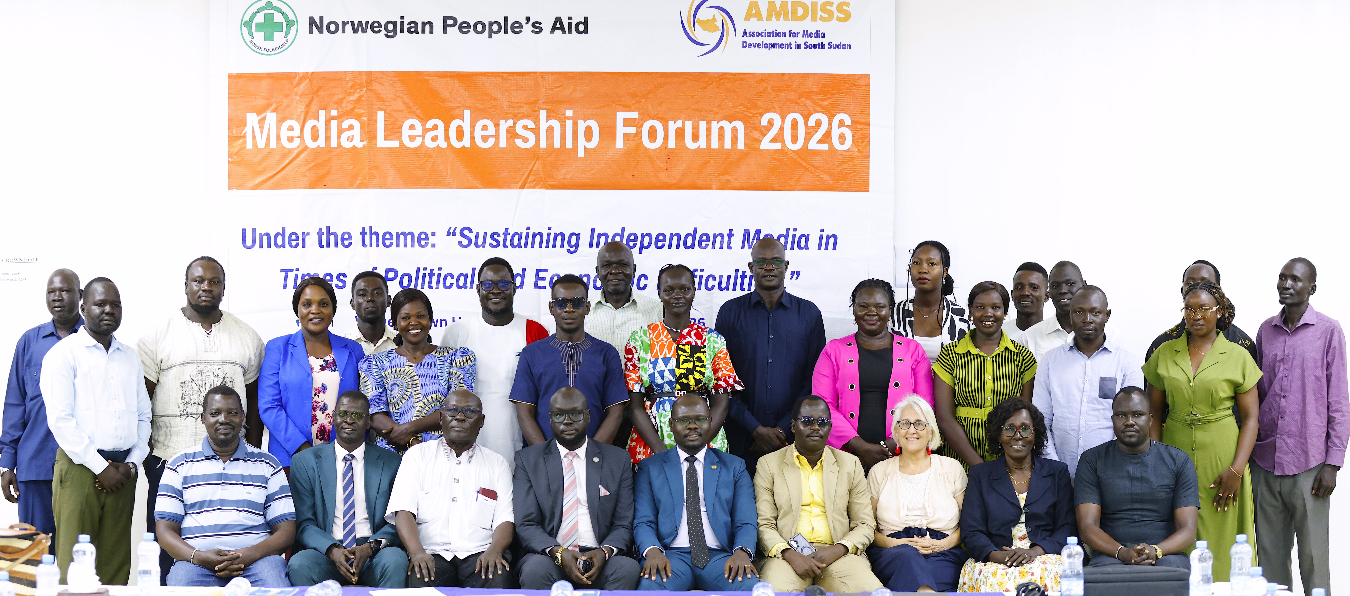
South Sudan Media Outlets Warn High Regulatory Fees Threaten Survival
In South Sudan, media houses, represented by the Association for Media Development in South Sudan (AMDISS), warned at a media stakeholders’ dialogue in Juba that high regulatory fees and rising operating costs are threatening their survival and undermining independent reporting.
This development is significant for legal practitioners as it highlights a potential conflict between regulatory oversight and the constitutional right to freedom of expression and press freedom in South Sudan. The imposition of high fees, if deemed excessive, could be challenged as an undue burden on media operations, potentially leading to a chilling effect on independent journalism and limiting public access to information. For businesses, particularly those in the media sector, it signals a challenging operating environment that could necessitate legal strategies for compliance, advocacy, or even potential litigation if regulatory actions are perceived as arbitrary or unconstitutional.
The legal context involves South Sudan's constitutional provisions guaranteeing freedom of the press and expression, as well as the specific statutes and regulations governing media licensing, frequency allocation, and operational fees. Regulatory bodies, such as those responsible for media and telecommunications, operate under specific mandates, and their fee structures must ideally align with principles of proportionality, public interest, and the promotion of a diverse media landscape. The call for consultation by AMDISS Director Ayaa Irene Lokang underscores the importance of administrative law principles, particularly procedural fairness and stakeholder engagement in regulatory development and review.
The key parties involved in this discussion include the Association for Media Development in South Sudan (AMDISS), its Director Ayaa Irene Lokang, and Board Chairperson Chris Marol; various media representatives and media houses operating within the country; unspecified government officials and regulatory bodies responsible for media oversight; and Norwegian People’s Aid (NPA), represented by Joyce Maker, which supported the dialogue. The source of this report is Radio Tamazuj.
Attorneys advising media organizations or businesses operating in regulated sectors in South Sudan should closely monitor the outcome of these discussions and any proposed reviews of regulatory fees. They should be prepared to assist clients in engaging with regulatory bodies, advocating for fair and transparent fee structures, and potentially challenging regulations that are deemed to be unduly restrictive or unconstitutional. The emphasis on consultation suggests an opportunity for legal professionals to facilitate dialogue between regulators and the regulated, aiming for a regulatory environment that supports, rather than stifles, essential sectors like independent media. The outcome of this matter, specifically whether the fees will be reviewed or reduced, is not yet reported in this excerpt.
How does this affect you?
Get an AI analysis of this article grounded in your jurisdictions, practice areas, and any policy documents you've uploaded to Wansom.
Finish Reading the Full Story and the Expert Analysis.
Get the latest legal & regulatory intelligence in South Sudan
Wansom is AI and can make mistakes.