
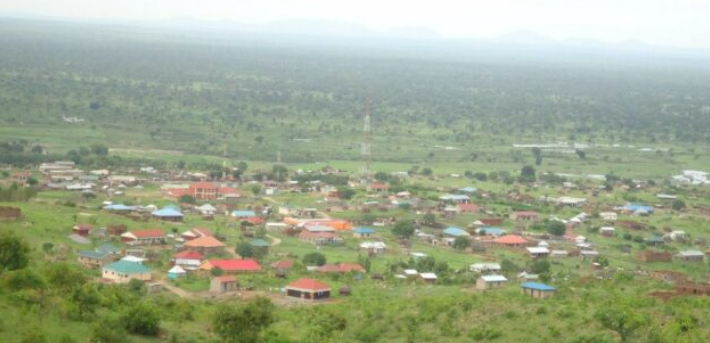
South Sudan High Court: Nimule Land Grabbing Case Awaits Ruling
Residents of Nimule, South Sudan’s Eastern Equatoria state, raised concerns on Tuesday over alleged land grabbing by members of the South Sudan People’s Defence Forces (SSPDF), with one resident, Andua Florence, reporting her case is before the High Court in Nimule after progressing through lower courts.
This development carries significant legal implications for property rights, military accountability, and access to justice in South Sudan. The alleged involvement of state security forces in land disputes undermines public trust in institutions and highlights the challenges citizens face in asserting their constitutional rights against powerful actors. The reported lengthy judicial process and financial burden on claimants, as articulated by Florence, underscore systemic inefficiencies and potential barriers to justice, which can exacerbate social tensions and impede post-conflict recovery and development. The collective concerns raised by residents and a local chief suggest a widespread issue that demands urgent attention from legal and governmental bodies.
South Sudan's legal framework for land ownership is a complex interplay of customary law, statutory law (such as the Land Act, 2009), and constitutional provisions safeguarding property rights. The judicial hierarchy, from B-court to county court and then to the High Court, reflects the established system for dispute resolution, yet the reported delays in the High Court raise questions about judicial capacity, independence, and efficiency. The involvement of the SSPDF implicates military law and civilian oversight mechanisms, potentially touching upon the Armed Forces Act and the Transitional Constitution's provisions on the military's role. The Women’s Foundation for Humanity's forum highlights the gendered dimensions of land rights, as women often face additional hurdles in securing and defending their property.
The key parties involved include the residents of Nimule, particularly Andua Florence and Grace Juan, who are directly affected by the alleged land grabbing. The accused parties are members of the South Sudan People’s Defence Forces (SSPDF). The judicial institutions involved are the B-court, county court, and the High Court in Nimule, which are tasked with adjudicating these disputes. The Women’s Foundation for Humanity, represented by its founder Dorothy Drabuga, serves as a civil society actor advocating for land and property rights. The outcome of this specific matter, including Florence's case, is not yet reported, with her still awaiting a ruling from the High Court.
Practitioners advising clients in South Sudan, particularly on property and human rights matters, should be acutely aware of the prevalence and complexity of land disputes, especially those involving state actors. It is crucial to understand the multi-layered legal framework governing land, including customary practices and statutory provisions. Attorneys must prepare clients for potentially protracted and financially demanding litigation, emphasizing the importance of robust documentation and evidence. Monitoring judicial reforms, military conduct regulations, and civil society advocacy efforts will be essential for navigating this challenging legal landscape and advocating for stronger rule of law and property rights protection. The reported delays in the High Court underscore the need for strategic litigation planning and potentially alternative dispute resolution mechanisms where appropriate.
How does this affect you?
Get an AI analysis of this article grounded in your jurisdictions, practice areas, and any policy documents you've uploaded to Wansom.
Finish Reading the Full Story and the Expert Analysis.
Wansom is AI and can make mistakes.