
South Sudan: Mura-Hatiha Tirangore Blood Compensation Agreed For Peace
Summary
- Intellectuals from the Mura-Hatiha and Tirangore communities have reaffirmed their commitment to blood compensation to end a nearly two-year inter-communal conflict.
- The conflict, stemming from farmland disputes in Hiyalla Payam, Eastern Equatoria State, has resulted in over 40 reported deaths.
- Torit Mayor Eddy William Ponsiano Bolye chaired the meeting, emphasizing that compensation is crucial to prevent further revenge attacks and achieve lasting peace.
- Community leaders highlighted the deep social ties between the groups and advocated for individual accountability over collective blame for instigating violence.
- The path forward involves careful community consultations, awareness campaigns, and preparatory engagement to ensure effective reconciliation and allow focus on development challenges.
Commitment to Customary Resolution in Eastern Equatoria
This commitment to Mura-Hatiha Tirangore blood compensation is viewed as indispensable for halting further cycles of violence and establishing a foundation for enduring peace.
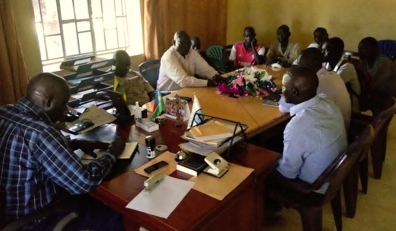
Efforts to resolve a protracted inter-communal conflict between the Mura-Hatiha and Tirangore communities in Hiyalla Payam, located within Eastern Equatoria State’s Torit County, have recently gained momentum. A crucial meeting held on Monday, chaired by Torit Mayor and Caretaker Commissioner Eddy William Ponsiano Bolye, saw intellectuals from both communities reaffirm their dedication to pursuing Mura-Hatiha Tirangore blood compensation. This commitment is viewed as indispensable for halting further cycles of violence and establishing a foundation for enduring peace.
The conflict, which has spanned nearly two years, originated from disputes over farmland and subsequently escalated into a series of revenge attacks. This prolonged period of hostility has deepened mistrust and fueled persistent demands for justice and accountability, ultimately claiming the lives of more than 40 individuals. The recent agreement on compensation signals a critical step towards de-escalation and reconciliation in a region deeply affected by the violence.
The Centrality of Blood Compensation in Traditional Justice
The decision to prioritize blood compensation underscores its vital role within South Sudan customary law compensation mechanisms, particularly in addressing severe inter-communal conflict. Mayor Bolye explicitly stated that compensation is not merely an option but a necessity, asserting that the unacceptable scale of bloodshed demands it and that the absence of such restitution directly fuels revenge. This traditional justice South Sudan approach is seen as a practical pathway to reconciliation where formal legal systems may struggle to provide immediate, community-accepted solutions.
However, the implementation of such a sensitive process requires careful navigation. Joseph Oswaha, a former Torit Mayor, characterized compensation as a delicate and technical matter necessitating thorough community engagement. Juma Akang from the Tirangore community echoed this sentiment, emphasizing that while Mura-Hatiha Tirangore blood compensation is a key component of reconciliation, it must be accompanied by extensive consultations and community awareness to prevent future aggression and ensure a definitive end to the Hiyalla Payam conflict.
Community Voices on Accountability and Social Fabric
Leaders from both Mura-Hatiha and Tirangore communities highlighted the profound social ties that bind them, noting instances of intermarriage and shared social connections, which make the ongoing violence particularly painful. Oduho George Ben, representing the Hatiha community, urged for a focus on confronting individual instigators of violence rather than assigning collective blame to entire communities. He stressed the importance of understanding the severe consequences of such actions and warned against the destructive nature of revenge and internal betrayal.
Juma Akang of the Tirangore community appealed to those instigating conflict to cease their actions, cautioning that continued fighting would lead to more fatalities and further isolate communities from essential humanitarian assistance. He pointed out that the conflict has already contributed to widespread hunger and hardship, with humanitarian organizations reportedly scaling back or ceasing operations in affected areas. Both leaders emphasized that the two villages are fundamentally “one family,” underscoring the long-term detrimental impact of sustained conflict and the urgent need for a change in attitudes towards peace and mutual protection of resources.
Charting a Path Towards Lasting Torit County Peace Resolution
The return of relative calm now presents a crucial opportunity to address the complex issue of compensation and move towards a comprehensive Torit County peace resolution. Former Mayor Oswaha suggested that extensive community-level engagement should precede any larger peace conference. This preparatory work would ensure that participants arrive ready to discuss genuine reconciliation rather than reopening old wounds, particularly given the observed trauma among younger generations.
Mayor Bolye reinforced the idea that neither Mura-Hatiha nor Tirangore should be collectively branded as criminal entities, advocating instead for the identification and accountability of individual perpetrators. Community leaders, including Oduho, articulated a vision where peace would enable communities to redirect their focus towards pressing development challenges, such as the critical lack of schools and adequate healthcare facilities. The consensus is that the dividends of peace are paramount for the well-being and progress of all residents.
Practical Implications
This development underscores the critical role of customary 'blood compensation' in resolving violent inter-communal conflicts in South Sudan. Legal professionals advising on conflict resolution, peacebuilding, or operating in regions with similar dynamics should understand how these traditional justice mechanisms function alongside or in place of formal legal systems to achieve reconciliation and stability.
Source
How does this affect you?
Get an AI analysis of this article grounded in your jurisdictions, practice areas, and any policy documents you've uploaded to Wansom.
Finish Reading the Full Story and the Expert Analysis.
Wansom is AI and can make mistakes.