
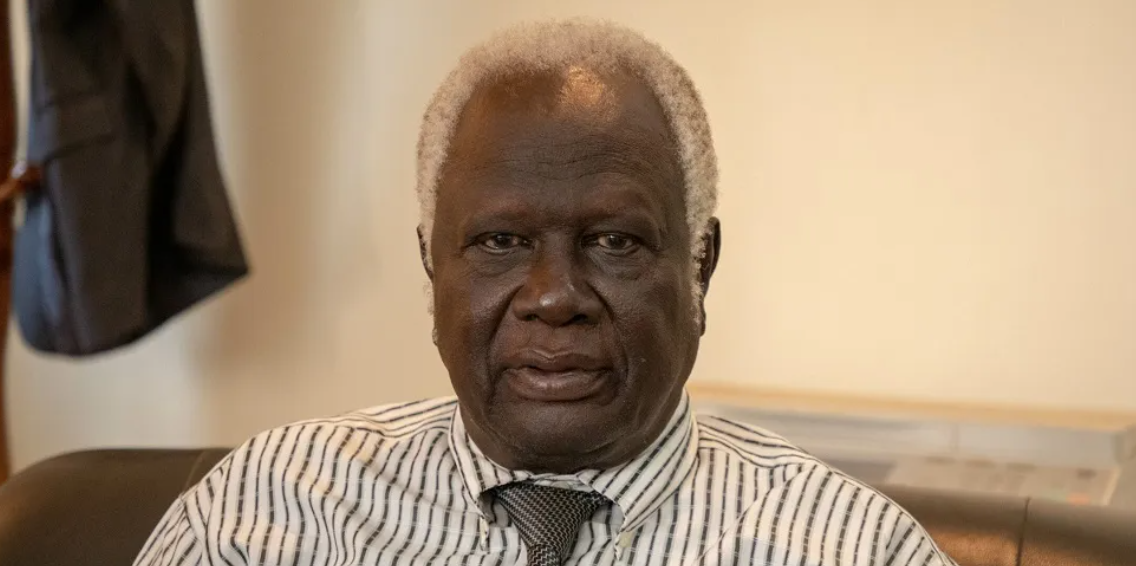
South Sudan Elections Chief Urges Continuity After Removal
On Tuesday, President Salva Kiir of South Sudan removed Prof. Abednego Akok Kacuol as chairperson of the National Elections Commission (NEC) and appointed Gabriel Bol Deng Majok, the former secretary-general, as his replacement, approximately three months before elections scheduled for December 22.
This leadership change within South Sudan's National Elections Commission, occurring so close to a pivotal election, carries significant legal and political implications. For practitioners, it immediately raises questions about the stability and independence of the electoral body, which is fundamental to ensuring free, fair, and credible elections. The absence of an official reason for the removal, as noted in the excerpt, can fuel perceptions of political interference, potentially undermining public and international confidence in the electoral process. The continuity of electoral preparations, including voter registration, logistical arrangements, and training, is paramount, and any disruption or perceived political motivation behind such a high-level change could lead to legal challenges regarding the legitimacy of the upcoming polls or the NEC's decisions.
The legal context for this development is rooted in South Sudan's constitutional and electoral framework, primarily the Transitional Constitution of the Republic of South Sudan, 2011 (as amended), and the National Elections Act. These instruments typically define the mandate, composition, appointment, and removal procedures for officials of independent commissions like the NEC. The President's power to appoint and remove such officials is usually circumscribed by specific legal provisions, which may require certain grounds or processes to ensure institutional independence. The fact that civil society groups have raised questions about the timing suggests potential scrutiny of whether the removal adhered strictly to these legal requirements, particularly given the critical juncture in the electoral cycle. The involvement of development partners, such as the United Nations, in supporting electoral preparations also highlights the international community's interest in the integrity of the process.
Key parties involved include President Salva Kiir, who exercised the power of appointment and removal; Prof. Abednego Akok Kacuol, the outgoing NEC chairperson; Gabriel Bol Deng Majok, the newly appointed chairperson; and the National Elections Commission itself, which is tasked with overseeing the December 22 elections. Civil society groups are also significant stakeholders, having voiced concerns about the timing of the change. For attorneys, the immediate takeaway is to closely monitor the NEC's operations under the new leadership, particularly regarding the transparency and impartiality of ongoing election preparations. Practitioners advising political parties, candidates, or observer missions should be prepared to analyze any potential legal challenges that may arise concerning the legality of the leadership change or its impact on the electoral calendar and processes. It is crucial to assess whether the new leadership maintains the momentum of preparations and adheres to established electoral laws, especially given the short timeframe before the scheduled elections.
How does this affect you?
Get an AI analysis of this article grounded in your jurisdictions, practice areas, and any policy documents you've uploaded to Wansom.
Finish Reading the Full Story and the Expert Analysis.
Get the latest legal & regulatory intelligence in South Sudan
Wansom is AI and can make mistakes.