
South Sudan: Disability Electoral Participation Demands Equal Access
Summary
- Persons with disabilities in South Sudan are demanding full and equal participation in upcoming elections.
- Key challenges include a lack of accessible electoral information and physical barriers to voting venues.
- Advocates assert that constitutional guarantees and UNCRPD commitments regarding disability rights are currently being violated.
- Calls are being made for dedicated electoral slots and quotas for persons with disabilities in party nominations and political appointments.
- Women and girls with disabilities face additional layers of discrimination and exclusion from public life.
Demands for Electoral Inclusion
Despite these clear constitutional guarantees and international obligations, advocates contend that the basic rights of persons with disabilities continue to be violated.
Persons with disabilities in South Sudan are actively advocating for their full and equitable involvement in the nation's forthcoming electoral processes. This push for South Sudan disability electoral participation demands equal opportunities for all citizens to engage, both as voters and potential candidates. Advocates highlight that despite constitutional provisions, significant barriers persist, preventing a substantial segment of the population from exercising their fundamental political rights. This collective call underscores a critical need for comprehensive reforms to ensure that the electoral landscape is genuinely inclusive.
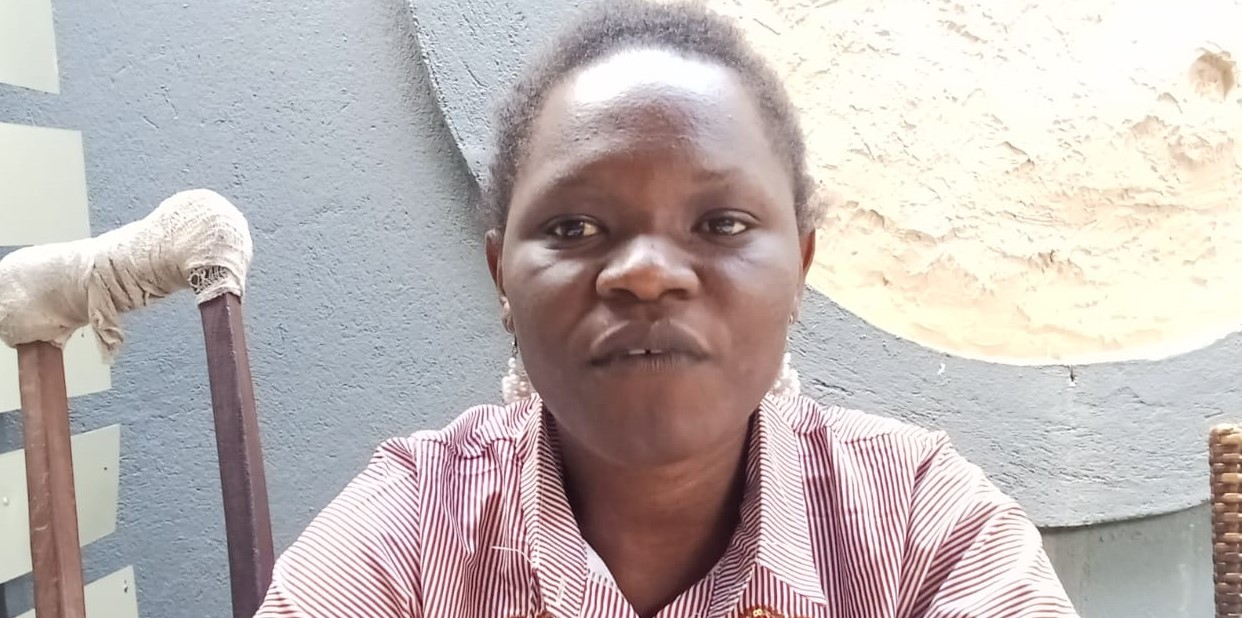
Rose Adii Mose, the Secretary General of the Network for People with Disabilities in Central Equatoria State, has articulated concerns regarding the current state of affairs. She points out that individuals with hearing impairments, for instance, frequently encounter difficulties in accessing crucial information pertaining to the electoral process. This information gap creates a significant hurdle, effectively sidelining a portion of the electorate from understanding the mechanics and implications of upcoming elections. The broader movement seeks to dismantle these systemic obstacles, paving the way for a more representative democracy where the voices of all citizens, including those with disabilities, can be heard and acted upon.
Systemic Barriers to Participation
Beyond informational deficits, physical accessibility presents another formidable challenge for South Sudan persons with disabilities election rights. Many public venues designated for electoral activities are either difficult or entirely impossible for individuals with mobility impairments to access, effectively disenfranchising them. This lack of South Sudan accessible voting requirements extends to meeting places where political discourse and candidate engagement occur, further marginalizing this community from public life.
The challenges are particularly acute for women and girls with disabilities, who experience compounded layers of discrimination and violence. Advocate Rose Adii Mose emphasizes that these individuals are disproportionately excluded from societal participation, facing unique obstacles simply due to their gender and disability status. Their frequent marginalization from public life underscores a pressing need for targeted interventions to empower them and ensure their full inclusion, addressing the multifaceted discrimination they endure. The current environment, therefore, falls short of providing equal opportunities for these vulnerable groups to exercise their rights.
Legal Obligations and Rights Violations
South Sudan's legal framework, notably its Transitional Constitution, explicitly guarantees the participation of persons with disabilities in society and their enjoyment of fundamental rights and freedoms, encompassing access to education, employment, and public services. Furthermore, the nation has ratified the UN Convention on the Rights of Persons with Disabilities (UNCRPD), which mandates non-discrimination and full inclusion. Despite these clear constitutional guarantees and international obligations, advocates contend that the basic rights of persons with disabilities continue to be violated.
Rose Adii Mose asserts that the community is consistently denied equal opportunities to exercise these enshrined rights. This ongoing disparity highlights a significant gap between legal provisions and practical implementation, raising serious questions about UNCRPD South Sudan electoral compliance. The current electoral preparations, particularly concerning the dissemination of information, are reportedly failing to meet the needs of persons with hearing impairments, indicating a systemic oversight that undermines the very principles of equality and inclusion that the nation has committed to uphold.
Calls for Structural Representation
To address these systemic issues and ensure genuine Electoral inclusion for disabled South Sudan, specific structural changes are being advocated. Edmond Yakani, Executive Director of the Community Empowerment for Progress Organization (CEPO), insists that persons with disabilities must be afforded the same political rights as all other citizens, including the fundamental right to contest elections. This necessitates a proactive approach from political parties to integrate individuals with disabilities into their nomination processes.
Yakani specifically calls for the allocation of dedicated slots for persons with disabilities across all electoral pathways, whether these are geographical constituency lists, party lists, women's lists, or youth lists. This proposal for Disability quotas South Sudan elections aims to ensure that non-discrimination in political engagement translates into tangible representation, allowing persons with disabilities to participate not only as voters but also as viable candidates. Furthermore, there is a demand for the government to reserve dedicated positions for persons with disabilities across their diverse categories in any future special quota appointments for party leaders within the upcoming administration, solidifying their presence in governance.
Practical Implications
Lawyers advising South Sudanese political parties or electoral bodies should assess compliance with disability rights in electoral processes, anticipating demands for accessible information, physical access, and dedicated representation for persons with disabilities under the Transitional Constitution and UNCRPD.
Source
How does this affect you?
Get an AI analysis of this article grounded in your jurisdictions, practice areas, and any policy documents you've uploaded to Wansom.
Finish Reading the Full Story and the Expert Analysis.
Wansom is AI and can make mistakes.