
Sifiso Zwane Drink Driving Manzini: Mosquito Bites Prompt Leniency Plea
Summary
- Sifiso Zwane was convicted of drink-driving at the Manzini Magistrate's Court.
- He pleaded for leniency before Magistrate Justice Mzizi following his conviction.
- Zwane cited being bitten by mosquitoes in police cells as a reason for his vow to never repeat the offense.
- His arrest and charge stemmed from driving under the influence.
What Transpired in Court
His public vow to abstain from future drink-driving offenses, stemming from his alleged encounter with mosquitoes, highlights the diverse motivations that can lead individuals to reconsider their actions.
Sifiso Zwane recently appeared before Magistrate Justice Mzizi at the Manzini Magistrate's Court, where he sought leniency following his conviction for drink-driving. The court proceedings saw Zwane, who had been arrested and charged with driving under the influence, present a unique argument in his plea for a reduced sentence. This case highlights the ongoing judicial process for such offenses within Eswatini's legal framework.
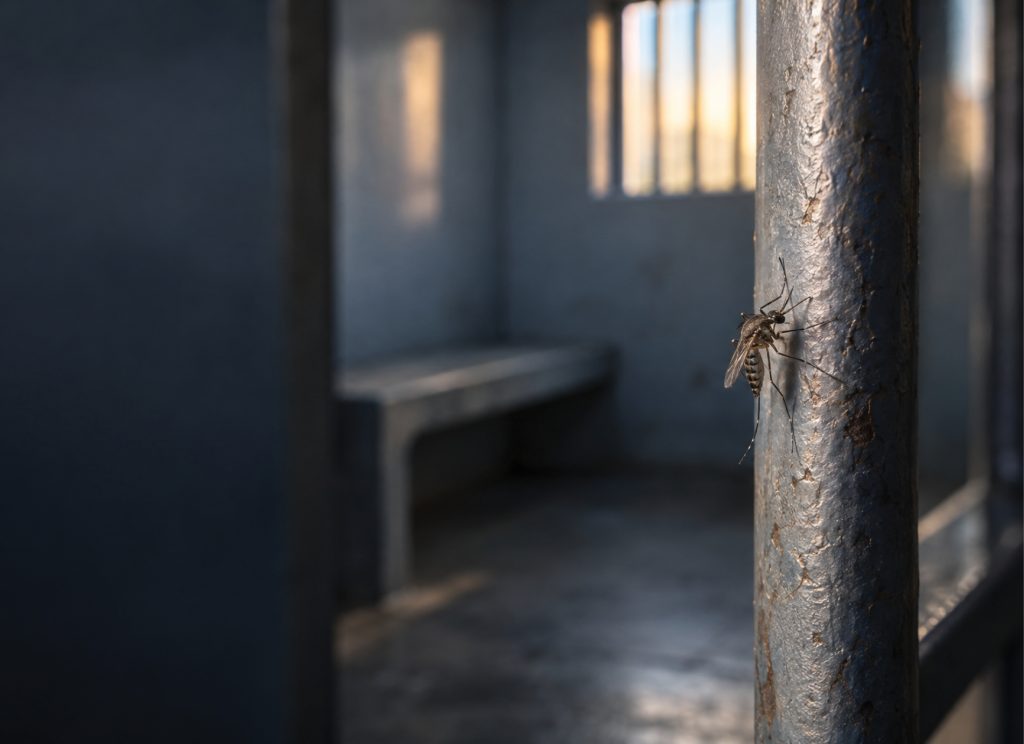
During his appearance, Zwane articulated a personal experience from his time in police custody as a basis for his appeal. He claimed to have been subjected to mosquito bites while detained in the police cells, an ordeal he described as severe enough to prompt a solemn vow. This experience, he asserted, had led him to commit never to repeat the offense of drink-driving again, framing it as a transformative moment that should influence the court's decision on his penalty. The Manzini Magistrate's Court DUI case thus took an unexpected turn with this unusual plea.
Legal Framework for DUI in Eswatini
The conviction of Sifiso Zwane underscores the consistent enforcement of drink-driving laws across Eswatini. Driving under the influence remains a serious offense, carrying significant legal consequences designed to deter dangerous road behavior and ensure public safety. An Eswatini drink driving conviction typically results in penalties that can include substantial fines, license suspension, and, in some instances, custodial sentences, depending on the severity of the infraction and any prior offenses.
Magistrate Justice Mzizi, presiding over the Manzini Magistrate's Court, is tasked with applying these established legal principles while also considering individual circumstances presented during sentencing. The judicial system in Eswatini aims to balance punitive measures with rehabilitative considerations, making leniency pleas a critical component of the sentencing phase. The severity of DUI Eswatini penalties reflects the country's commitment to road safety.
The Role of a Leniency Plea
A plea for leniency, such as the one presented by Sifiso Zwane, is a standard yet crucial part of the sentencing process in Eswatini's courts. Following a conviction, defendants are afforded the opportunity to present mitigating factors that might persuade the court to impose a lighter sentence than the maximum permissible. These factors can range from personal circumstances and remorse to the impact of the legal process itself on the individual.
Sifiso Zwane's leniency plea, centered on his discomfort during detention, illustrates how varied these arguments can be. While unusual, such personal accounts aim to demonstrate genuine contrition and a commitment to future compliance with the law. The court's consideration of these pleas is vital for ensuring that justice is administered fairly, taking into account both the letter of the law and the specific human context of each case. This process allows for a degree of judicial discretion in determining appropriate sanctions.
Why This Case Matters
This particular case, involving Sifiso Zwane drink driving Manzini, serves as a potent reminder of the tangible and often uncomfortable realities faced by individuals within the criminal justice system, even for offenses like driving under the influence. Beyond the legal ramifications, the experience of detention itself can act as a deterrent, as articulated by Zwane. His public vow to abstain from future drink-driving offenses, stemming from his alleged encounter with mosquitoes, highlights the diverse motivations that can lead individuals to reconsider their actions.
For legal practitioners and the public alike, this case reinforces the seriousness with which Eswatini's courts treat DUI offenses. It also demonstrates the breadth of arguments that can be presented during sentencing, emphasizing that every detail, however seemingly minor, can be brought before the court in an effort to influence the final judgment. The proceedings before Magistrate Justice Mzizi at the Manzini Magistrate's Court continue to underline the judiciary's role in upholding public safety through the consistent application of law.
Practical Implications
This article serves as a reminder of the ongoing enforcement of drink-driving laws in Eswatini and the judicial process for such offenses. For lawyers, it reinforces the importance of advising clients on the severe consequences of DUI convictions and preparing robust pleas for leniency, even when the facts of the case are straightforward.
Source
How does this affect you?
Get an AI analysis of this article grounded in your jurisdictions, practice areas, and any policy documents you've uploaded to Wansom.
Finish Reading the Full Story and the Expert Analysis.
Get the latest legal & regulatory intelligence in Eswatini
Wansom is AI and can make mistakes.