
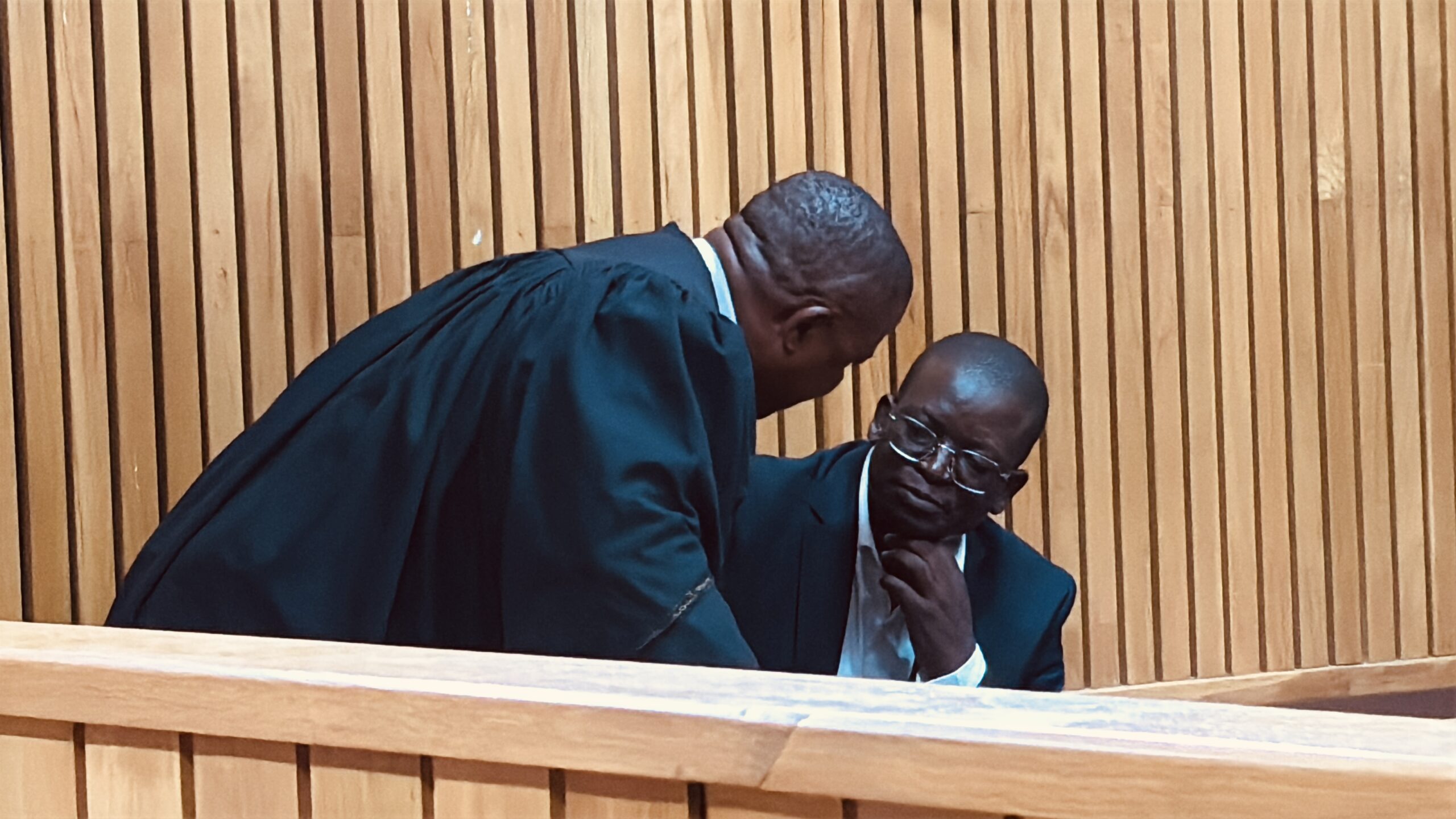
Eswatini High Court: Shongwe Murder Trial Delayed Over Redacted Statements
Summary
- The murder trial of Mashumi Shongwe, accused of killing his wife Tigezile Magongo, has been significantly postponed.
- The Eswatini High Court, under Judge Sabelo Masuku, adjourned the case to November 3, 2026.
- The delay was caused by a dispute over the concealment of witness identities and the late delivery of evidence.
- Defense lawyer Ben J. raised concerns regarding these procedural issues.
- The incident highlights challenges in evidence disclosure and redaction within Eswatini's criminal justice system.
Prolonged Delay in High-Profile Murder Case
This substantial delay underscores the procedural complexities that can arise in serious criminal matters within the Eswatini judicial system.
The murder trial of Mashumi Shongwe, who stands accused of killing his wife, Tigezile Magongo, has encountered a significant postponement in the Eswatini High Court. Presided over by Judge Sabelo Masuku, the proceedings were adjourned, pushing the next hearing date far into the future, specifically to November 3, 2026. This substantial delay underscores the procedural complexities that can arise in serious criminal matters within the Eswatini judicial system.
The decision to defer the case for such an extended period stems directly from a contentious dispute over the handling of evidence. Central to this disagreement are issues concerning the concealment of witness identities and the late delivery of crucial evidence to the defense. These procedural challenges have effectively stalled the Mashumi Shongwe murder trial Eswatini, preventing its progression towards a resolution.
Contentious Disclosure and Redaction Issues
The core of the current impasse revolves around the defense's concerns regarding the prosecution's disclosure practices. Specifically, the defense lawyer, Ben J., raised objections related to the redaction of witness statements and the untimely provision of other evidentiary materials. Such disputes over witness identity concealment Eswatini are not uncommon but can have profound implications for the fairness and transparency of a criminal trial, as the defense requires full access to information to adequately prepare its case.
This particular Shongwe murder trial redacted statements delay highlights the critical balance between protecting sensitive information, such as witness identities, and ensuring the accused's right to a fair trial through comprehensive discovery. When evidence is delivered late, or key details are obscured through redaction without proper justification, it can lead to legitimate challenges from the defense, ultimately causing the kind of significant delays observed in the Tigezile Magongo murder case.
Broader Implications for Eswatini Criminal Litigation
The postponement of this high-profile case serves as a stark reminder of how procedural disagreements, particularly those involving late evidence delivery criminal trial practices and witness statement redaction, can severely impede the pace of justice. For practitioners in Eswatini criminal litigation, this incident underscores the necessity of meticulous and proactive management of discovery processes. Failure to address these issues promptly can lead to protracted legal battles over disclosure, consuming valuable court time and delaying outcomes.
Such substantial delays, as seen with the Eswatini High Court Judge Sabelo Masuku's decision, can have far-reaching consequences, affecting not only the accused and the victim's family but also public confidence in the efficiency of the legal system. It emphasizes that proactive engagement and potential challenges to ensure timely and complete disclosure are vital to maintaining the integrity and momentum of criminal proceedings in Eswatini.
Practical Implications
Practitioners in Eswatini criminal litigation should be aware that disputes over witness statement redaction and late evidence disclosure can cause substantial trial delays, necessitating proactive management of discovery processes and potential challenges to ensure timely proceedings.
Source
How does this affect you?
Get an AI analysis of this article grounded in your jurisdictions, practice areas, and any policy documents you've uploaded to Wansom.
Finish Reading the Full Story and the Expert Analysis.
Wansom is AI and can make mistakes.