
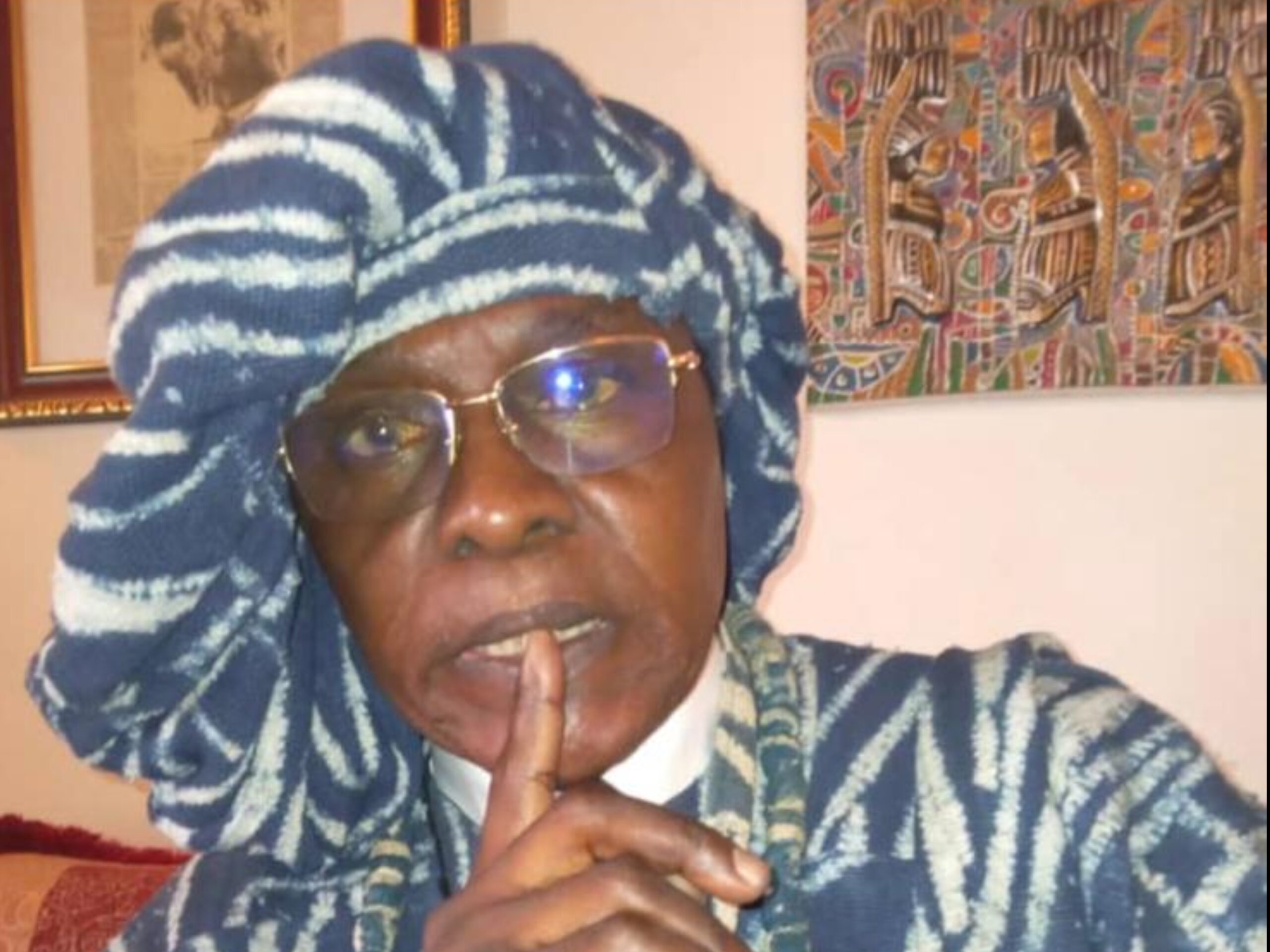
Shanda Tonme: Lettre Ouverte Ambassades Cameroun Warns Diaspora on Vandalism
Summary
- Shanda Tonme, President of COMICODI and MPDR, issued an open letter to the Cameroonian diaspora regarding damage to embassies.
- The letter acknowledges the fundamental right to protest, enshrined in international instruments, but distinguishes it from destructive acts.
- Tonme warns that breaking diplomatic premises, destroying property, or physically attacking individuals can lead to judicial prosecution.
- He emphasizes that embassies represent a shared national heritage and the diaspora's identity abroad, making their destruction an act of self-harm.
- Tonme urges peaceful methods like marches and engaging international bodies, explicitly rejecting violence against national emblems.
Introduction to the Appeal
However, Tonme draws a clear line, emphasizing that certain actions transcend these protected rights and become subject to legal repercussions.
Shanda Tonme, known as "Le Médiateur Universel" and serving as President of both the independent Commission against Corruption and Discrimination (COMICODI) and the Popular Movement for Dialogue and Reconciliation (MPDR), has issued a public appeal to members of the Cameroonian diaspora. His open letter specifically addresses recent incidents involving the damage and destruction of the nation's diplomatic missions abroad.
The communication from Tonme comes in response to widely circulated social media images depicting actions taken against Cameroonian embassies in European cities, notably Brussels and The Hague. While acknowledging the deep-seated concerns and grievances expressed by these diaspora communities, Tonme's message underscores a critical distinction between legitimate protest and acts of vandalism or aggression.
Defining Legal Boundaries for Protest
In his address, Tonme firmly asserts that the right to express dissent, to protest, to denounce, to claim, to alert, to question, and to voice indignation is a fundamental liberty. He highlights that these rights are intrinsically linked to freedom of opinion, association, and speech, all of which are enshrined in international legal instruments. This recognition affirms the diaspora's entitlement to engage in peaceful demonstrations concerning the governance and future of their home country.
However, Tonme draws a clear line, emphasizing that certain actions transcend these protected rights and become subject to legal repercussions. Specifically, he warns that breaking into diplomatic premises, causing destruction, or physically assaulting individuals, regardless of their status, constitute offenses that can lead to prosecution before appropriate judicial bodies. This distinction is crucial for understanding the legal ramifications of actions taken during protests against Cameroonian diplomatic missions.
The Symbolic Value of Diplomatic Missions
Tonme's letter further elaborates on the profound significance of diplomatic missions, such as embassies, to the diaspora itself. He posits that these structures, along with their logistical support, are not merely government buildings but represent a shared national heritage and embody the presence and identity of Cameroonians living abroad. He describes them as a common good, free from tribal, social, or religious divisions.
From this perspective, damaging an embassy is presented as an act of self-destruction, akin to harming one's own property or home. Tonme acknowledges the severe challenges facing Cameroon, including widespread expectations, governmental inertia, unsubstantiated rumors, and protracted legal processes. Nevertheless, he maintains that these difficult circumstances do not justify resorting to destructive behaviors against national symbols.
Advocating for Peaceful Engagement
Instead of destructive acts, Tonme strongly encourages the diaspora to pursue alternative, constructive methods for making their voices heard. He suggests engaging in peaceful marches, displaying banners, and appealing to relevant international organizations as effective ways to articulate their concerns. Such approaches, he argues, would ensure their message is received with greater respect and clarity, rather than being perceived as acts of "terrorism" or "irresponsible delinquency."
While affirming that no compatriot should be prevented from expressing views on the nation's trajectory or from accessing diplomatic services, Tonme explicitly states that he cannot endorse or advise any actions that involve breaking, destroying, or indirectly attacking national emblems. He reiterates that while grievances are valid, the method of expression must remain within legal and ethical bounds to be truly impactful and avoid counterproductive outcomes.
Practical Implications
Lawyers advising diaspora groups or individuals involved in protests should note the clear distinction drawn between the right to protest and actions against diplomatic missions that can lead to judicial prosecution. This underscores the need to counsel clients on the legal boundaries of demonstrations to avoid severe legal consequences for property damage or physical attacks on embassies.
Source
How does this affect you?
Get an AI analysis of this article grounded in your jurisdictions, practice areas, and any policy documents you've uploaded to Wansom.
Finish Reading the Full Story and the Expert Analysis.
Get the latest legal & regulatory intelligence in Cameroon
Wansom is AI and can make mistakes.