
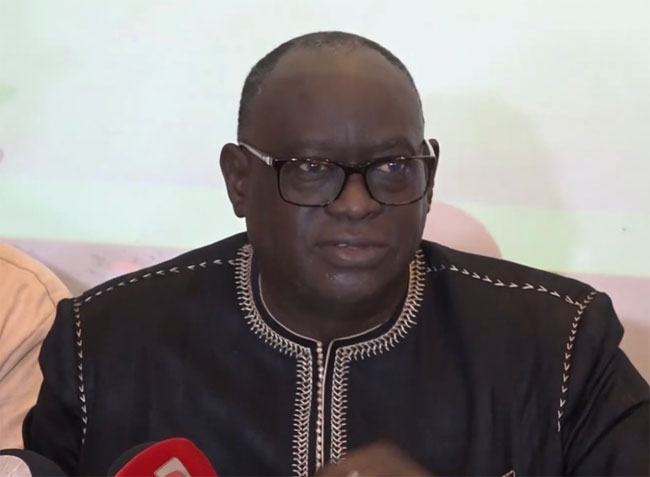
Me El Hadji Diouf Denies Death Rumors with Irony, Reference
Summary
- Me El Hadji Diouf responded to death rumors on social media with irony and a religious reference.
- He has been targeted by false information before, including being presented as seriously ill or arrested in connection with the Pape Cheikh Diallo case.
- Senegalese lawyers and compliance officers should be aware of the potential for false information to spread quickly online and take steps to verify accuracy before sharing news or social media posts.
- Me El Hadji Diouf's approach to addressing disinformation effectively can be useful for lawyers dealing with similar situations in the future.
Me El Hadji Diouf Denies Death Rumors with Irony
This formula allowed him to turn the rumor into ridicule rather than directly denying it.
Senegalese lawyer Me El Hadji Diouf responded to death rumors circulating on social media last Friday without showing any concern. His reaction, published on Facebook, combined irony and a religious reference. On his official page 'Maître El Hadji DIOUF Officiel', he greeted the people spreading these informations and wished them a good Holy Friday. This formula allowed him to turn the rumor into ridicule rather than directly denying it. The post also included a proverb stating that meanness eventually reaches the one who spreads it.
This is not the first time Me El Hadji Diouf has been targeted by false information. In March 2026, he was presented as seriously ill, in a wheelchair, or even arrested in connection with the Pape Cheikh Diallo case. He denied his arrest on Walf FM and denounced a disinformation campaign at the time, announcing a complaint to the prosecutor's office.
Legal Context: False Information Spreads Quickly Online
Lawyers and compliance officers in Senegal should be aware of the potential for false information to spread quickly online. Me El Hadji Diouf's experience highlights the need for verifying the accuracy of news or social media posts before sharing them with clients or colleagues. This is particularly important in cases where reputations are at stake, such as when a lawyer is falsely accused of being seriously ill or arrested.
Me El Hadji Diouf's response to the death rumors demonstrates an understanding of how to handle disinformation effectively. By turning the rumor into ridicule and referencing a proverb, he showed that it's possible to address false information without escalating the situation. This approach can be useful for lawyers dealing with similar situations in the future.
Why It Matters: Protecting Reputations Online
The spread of false information online can have serious consequences, particularly for professionals like lawyers who rely on their reputation to build trust with clients. Me El Hadji Diouf's experience serves as a reminder of the importance of verifying information before sharing it and being proactive in addressing disinformation campaigns.
In an era where social media dominates news dissemination, it's essential for Senegalese lawyers and compliance officers to be vigilant about protecting their clients' reputations. By taking steps to verify accuracy and address false information promptly, they can help prevent damage to their clients' reputation and maintain public trust.
Practical Implications
Lawyers and compliance officers in Senegal should be aware of the potential for false information to spread quickly online, and take steps to verify the accuracy of any news or social media posts before sharing with clients or colleagues.
Source
Source: Original reporting via Kawtef
How does this affect you?
Get an AI analysis of this article grounded in your jurisdictions, practice areas, and any policy documents you've uploaded to Wansom.
Wansom is AI and can make mistakes.