
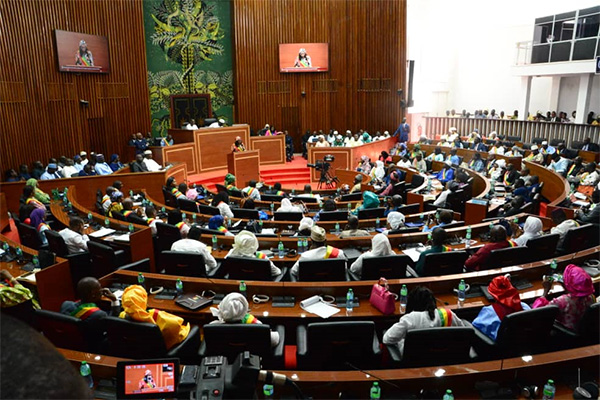
Senegalese National Assembly Convenes Sessions to Amend Article 37 in August 2026
Summary
- The Senegalese National Assembly has convened two plenary sessions for August 17 and 19, 2026.
- The first session will focus on amending Article 37 of the Constitution.
- Proposed changes to Article 37 are expected to impact existing laws and regulations.
What Happened
The proposed amendments to Article 37 are likely to impact existing legislation and regulations, making it essential for stakeholders to stay informed about these developments.
The Senegalese National Assembly has convened its members for two plenary sessions scheduled to take place on August 17 and 19, 2026. The first session, set for Monday, August 17, will focus on amending Article 37 of the Constitution. Two days later, on Wednesday, August 19, lawmakers will gather in a plenary session to review another matter.
The National Assembly's decision to convene these sessions marks an important step in the legislative process. The proposed amendments to Article 37 are expected to have significant implications for existing laws and regulations.
Legal Context
Article 37 of the Constitution is a crucial provision that governs various aspects of Senegalese law. Any changes to this article will require careful consideration and analysis by lawmakers, lawyers, and compliance officers. The proposed amendments are likely to impact existing legislation and regulations, making it essential for stakeholders to stay informed about these developments.
The National Assembly's actions in convening these sessions demonstrate its commitment to upholding the principles of democratic governance. By engaging in a transparent and inclusive process, lawmakers can ensure that any changes to Article 37 align with the country's constitutional values.
Why It Matters
The proposed amendments to Article 37 have far-reaching implications for Senegal's legal landscape. Lawyers and compliance officers must closely monitor these developments and be prepared to advise clients on how to navigate any changes to existing laws and regulations. By staying informed about the National Assembly's actions, stakeholders can ensure that their businesses and organizations remain compliant with the latest legislative requirements.
The success of these amendments will depend on the ability of lawmakers to strike a balance between modernizing the Constitution and preserving its core principles. As the country continues to evolve, it is essential for lawmakers to engage in a thoughtful and inclusive process to ensure that any changes align with Senegal's constitutional values.
Practical Implications
Lawyers and compliance officers should watch for the potential impact of these proposed amendments on existing laws and regulations, and be prepared to advise clients accordingly.
Source
How does this affect you?
Get an AI analysis of this article grounded in your jurisdictions, practice areas, and any policy documents you've uploaded to Wansom.
Wansom is AI and can make mistakes.