
Sénégal PM Lô: 300 Milliards FCFA for Enterprise Debt Repayment
Summary
- Prime Minister Ahmadou Al Aminou Lô pledged 300 billion FCFA from the budget to begin repaying the state's estimated 2,000 billion FCFA debt to private companies in Sénégal.
- The initial 300 billion FCFA disbursement is conditional on the International Monetary Fund's definitive approval of a $2.2 billion loan. A staff-level agreement for this loan was reached in early September 2026, but it still requires the approval of the IMF's executive board to be finalized.
- Private sector leaders, including Baïdy Agne and Mbanick Diop, welcomed the commitment and secured a promise for quarterly meetings with the state.
- Businesses also raised concerns about the deteriorating business climate and lack of consultation, advocating for involvement in customs and tax code reforms.
Key Commitment Announced
The government intends to dedicate 300 billion FCFA from the national budget to commence payments.
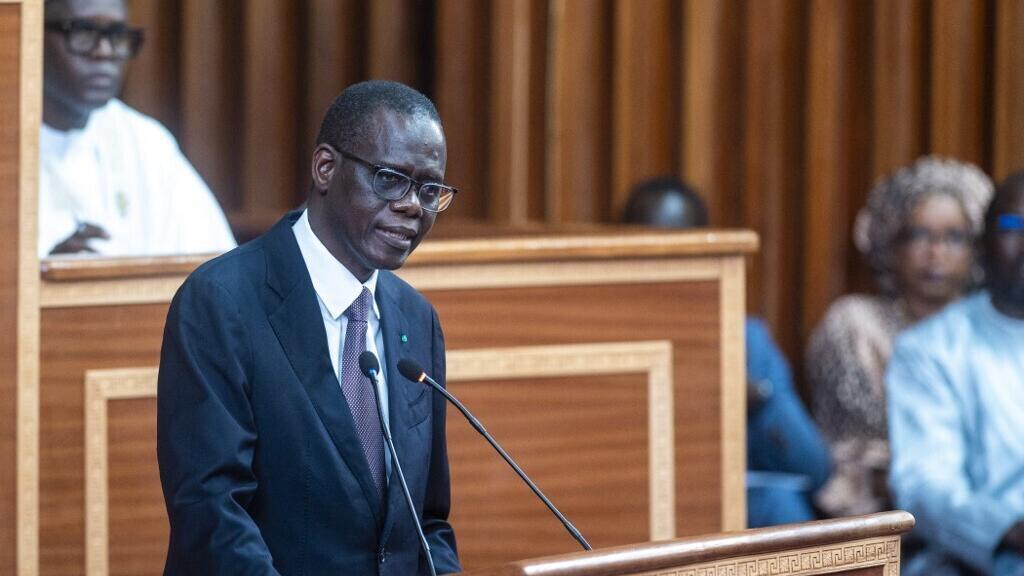
Prime Minister Ahmadou Al Aminou Lô recently engaged with leading patronal organizations in Sénégal, addressing the pressing issue of the state's accumulated debt to private enterprises. This significant meeting, held on Thursday, centered on resolving the substantial public invoices that have burdened Senegalese companies. The total outstanding debt owed by the state to private businesses is estimated at nearly 2,000 billion FCFA, equivalent to approximately 3.5 billion US dollars, a figure that underscores the scale of the financial challenge.
In a pivotal development, Prime Minister Ahmadou Lô announced a concrete plan for the initial reimbursement of this public debt. The government intends to dedicate 300 billion FCFA from the national budget to commence payments. This commitment, reported by RFI Afrique, marks a crucial step towards alleviating the financial strain on the private sector.
Baïdy Agne, who serves as the President of the National Council of Patronage of Sénégal, expressed a positive reception to this pledge. He indicated that this engagement is expected to facilitate a substantial clearance of the outstanding debt by the close of the current year, signaling optimism among business leaders regarding the government's intentions to address the Sénégal dette État entreprises.
Broader Economic Context and Conditionalities
The substantial state debt has had a discernible negative impact on economic activity across Sénégal, a concern prominently raised by private sector representatives during their discussions with the Prime Minister. Beyond the direct financial burden, these organizations also highlighted a perceived deterioration in the overall climat des affaires Sénégal dette, alongside a notable lack of consultation with public authorities on key policy matters. They specifically advocated for greater involvement in the ongoing reforms of both the customs code and the tax code, emphasizing the need for collaborative governance.
Crucially, the disbursement of the promised 300 billion FCFA for the initial repayment is contingent upon a significant external financial agreement. The government's ability to initiate this Ahmadou Lô remboursement dette publique is tied to the definitive approval of a 2.2 billion dollar loan from the International Monetary Fund (FMI prêt Sénégal dette). A staff-level agreement for this loan was reached in early September 2026, but it still requires the approval of the IMF's executive board to be finalized, which would then unlock the initial debt repayment to enterprises.
Future Engagements and Outlook
In a move aimed at fostering improved relations and ongoing dialogue, Mbanick Diop, President of the Movement of Enterprises of Sénégal, confirmed that Prime Minister Ahmadou Al Aminou Lô committed to establishing regular, quarterly meetings between the state and the patronat. This initiative seeks to institutionalize communication and address business concerns proactively, reflecting a desire to strengthen the partnership between the government and the private sector.
The next scheduled engagement between the government and businesses is slated to occur during the presidential investment council. This high-level forum will include the presence of the head of state, underscoring the national importance attributed to resolving these economic challenges and reinforcing the Patronat Sénégal engagements État. The progress on the Sénégal Lô 300 milliards dette entreprises remains closely watched, particularly as the nation awaits the outcome of the IMF loan negotiations, which are critical for the promised financial relief to materialize.
Practical Implications
Lawyers representing private companies owed money by the Senegalese state should advise clients to monitor the progress of the promised 300 billion FCFA repayment, particularly in light of the pending IMF loan approval. This development signals a potential resolution to long-standing payment delays, impacting client cash flow and financial planning.
Source
How does this affect you?
Get an AI analysis of this article grounded in your jurisdictions, practice areas, and any policy documents you've uploaded to Wansom.
Finish Reading the Full Story and the Expert Analysis.
Get the latest legal & regulatory intelligence in Senegal
Wansom is AI and can make mistakes.