
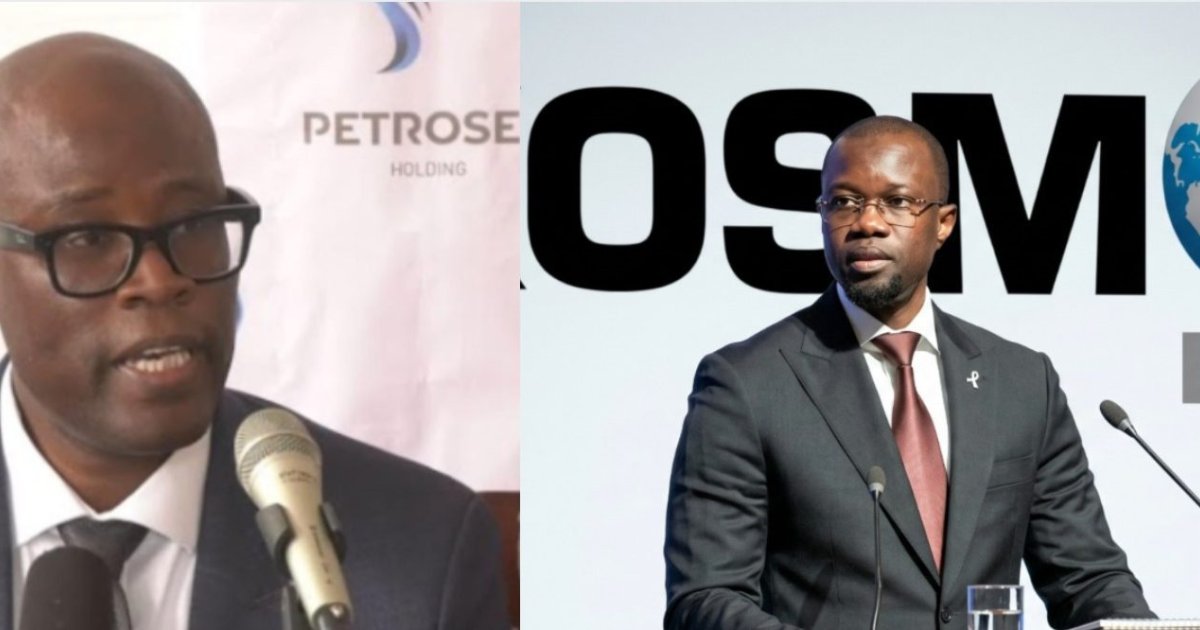
Sénégal: Baisse Prix Électricité Gaz National 2030 Ciblée à 30%
Summary
- Senegal aims to reduce electricity prices by 30% by 2030 through increased utilization of national gas.
- The country targets gas self-sufficiency by 2026, anticipating annual savings of up to 140 billion FCFA.
- A 400-kilometer gas transport network, costing 650 billion FCFA, is under development to connect offshore resources to power plants and industrial centers.
- The West African Energy plant at Cap des Biches, valued at 283 billion FCFA, will transition from diesel to natural gas, boosting its capacity to 366 MW.
- The strategy also includes connecting 6,471 unserved localities to electricity and attracting international partners while safeguarding national interests.
Senegal's Ambitious Energy Transition
This strategic shift is projected to generate substantial annual savings, reaching up to 140 billion FCFA, while simultaneously reducing the nation's reliance on imported fuels.
Senegal is embarking on a significant energy transformation, with a core objective to substantially reduce electricity costs for consumers. During a presentation on Thursday, September 17, 2026, El Hadji Abdourahmane Diouf, the Minister of Energy and Petroleum, advocated for a heightened reliance on domestically produced gas within the nation's power generation facilities. This strategic shift is projected to generate substantial annual savings, reaching up to 140 billion FCFA, while simultaneously reducing the nation's reliance on imported fuels.
The overarching goal is to achieve gas self-sufficiency for Senegal by 2026. This initiative aligns with the broader general policy statement from Prime Minister Ahmadou Alhaminou Mohamed Lô, which targets a 30% reduction in the price per kilowatt-hour by 2030. The Prime Minister's vision also includes increasing the share of national gas within the electricity mix and extending grid access to 6,471 localities that currently lack electricity.
This comprehensive strategy, aimed at leveraging Senegal's gas resources, is central to the government's commitment to energy independence and affordability. The focus on national gas utilization is expected to be a key driver in achieving the ambitious price reduction targets and expanding electricity access across the country, fundamentally reshaping the energy landscape.
Critical Infrastructure for Gas Utilization
A crucial component of Senegal's energy strategy is the development of a robust gas transport network designed to link offshore resources with power plants and industrial hubs. This extensive network is estimated to cost 650 billion FCFA and will span approximately 400 kilometers. The initial phase, specifically the northern segment, commenced with the laying of the first pipeline in Gandon on September 10, an event attended by the Minister of Energy and Petroleum.
This northern segment alone covers about 85 kilometers, comprising 45 kilometers offshore extending to Léona and an additional 40 kilometers on land. Once operational, this section will have the capacity to transport up to 300 million cubic feet of gas daily, facilitating the distribution of national gas to key demand centers. An immediate priority is connecting existing power plants to this burgeoning gas network.
One such facility is the West African Energy plant located at Cap des Biches, which is under construction at a cost of 283 billion FCFA. The plant is awaiting the arrival of natural gas to begin its more efficient combined cycle operation, which will boost its capacity to 366 MW. Senelec has indicated that a provisional gas supply is expected in August, with definitive supply slated for 2027, marking a pivotal step in optimizing the plant's performance and reducing operational costs.
Holistic Energy Strategy and International Engagement
Beyond the focus on gas, Senegal's energy strategy encompasses a broader approach that integrates renewable energies and initiatives for enhanced energy efficiency. The government is also committed to refining its public subsidy programs, ensuring that assistance is more effectively directed towards vulnerable households, public transportation, and specific strategic productive sectors.
In terms of international collaboration, the Minister of Energy and Petroleum affirmed Senegal's openness to engaging with new international partners. However, such partnerships are contingent upon strict adherence to national interests and compliance with both technical and economic requirements set by the Senegalese government. This balanced approach seeks to attract necessary investment and expertise while safeguarding national sovereignty and developmental objectives.
Further demonstrating its commitment to national control over key resources, the license for the Yakaar-Teranga project has been awarded to Petrosen, the public company, as reported by Beninwebtv. This move underscores the government's intent to maintain significant oversight and benefit directly from its natural gas endowments.
Driving Economic Savings and Access
The comprehensive energy strategy is poised to deliver significant economic and social benefits across Senegal. The projected annual savings of up to 140 billion FCFA, primarily through the reduced reliance on imported fuels, will free up substantial national resources. This financial advantage is crucial for reinvestment in other critical sectors and for bolstering the national economy.
Furthermore, the commitment to connect 6,471 previously unserved localities to the electricity grid represents a monumental step towards universal energy access. This expansion will not only improve living standards but also stimulate local economic activity in these regions. Ultimately, the ambitious target of a 30% reduction in the price of electricity by 2030, driven by the increased utilization of national gas, stands as a cornerstone of Senegal's vision for a more affordable, sustainable, and equitable energy future.
Practical Implications
This article signals a significant government commitment to national gas utilization and infrastructure development in Senegal, creating new regulatory frameworks and investment opportunities. Lawyers in project finance, public procurement, and energy law should monitor upcoming tenders, contracts, and compliance requirements related to gas exploration, transport, and power generation, as well as potential changes in electricity tariffs and energy sector regulations.
Source
How does this affect you?
Get an AI analysis of this article grounded in your jurisdictions, practice areas, and any policy documents you've uploaded to Wansom.
Finish Reading the Full Story and the Expert Analysis.
Get the latest legal & regulatory intelligence in Senegal
Wansom is AI and can make mistakes.