
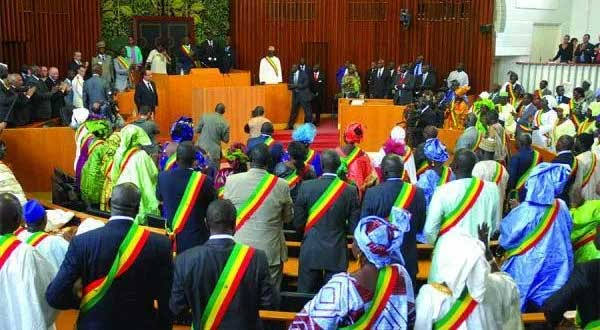
Senegal: Tabakh Movement Criticizes Parliamentary Inquiry Bias
The national movement "Tabakh" (Les Bâtisseurs) in Senegal publicly contested the ongoing work of parliamentary commissions, labeling them as "selective and biased" and urging deputies to broaden their scope beyond currently selected cases to include other public finance management issues and contracts, such as those related to the National Assembly itself.
This public challenge from a civil society movement highlights growing concerns about the perceived impartiality and comprehensive nature of parliamentary investigations in Senegal. The accusation of "selectivity and bias" suggests that these inquiries might be perceived as politically motivated rather than genuinely aimed at uncovering truth and ensuring accountability across the board. For legal practitioners and businesses, this public scrutiny of parliamentary processes can impact the legitimacy of any findings or recommendations, potentially leading to further public debate or even legal challenges if the perceived bias affects due process. It also underscores the role of civil society in holding legislative bodies accountable for their oversight functions.
Parliamentary investigative commissions, while powerful tools for legislative oversight, are expected to operate with impartiality and a commitment to public interest. The criticisms from Tabakh touch upon fundamental principles of good governance, transparency, and accountability, which are enshrined in the Senegalese Constitution and various laws. The movement's call to examine a broader range of issues, including the National Assembly's own contracts and specific financial matters like the "37 billion" related to ASER (Agence Sénégalaise d'Électrification Rurale), implies a demand for equitable application of oversight powers. The legal framework for these commissions mandates fact-finding and recommendations, and any perception of political targeting could undermine their constitutional mandate.
Key parties involved include the national movement "Tabakh" (Les Bâtisseurs), the National Assembly through its parliamentary commissions and deputies, and various entities or individuals potentially subject to investigation, such as those involved in the ASER, "Case des tout-petits," or car purchases for political officials. The report was sourced from Senego, citing PressAfrik.
Attorneys should advise clients that the public perception of parliamentary investigations, particularly regarding their impartiality and scope, can significantly influence the political and social landscape surrounding any inquiry. While the legal outcomes of such commissions are distinct from judicial ones, public opinion can exert pressure on both the legislature and the judiciary. Practitioners should monitor not only the specific findings of these commissions but also the broader public and civil society reactions, as these can indicate potential areas of future scrutiny or reform. Advocating for transparent, comprehensive, and unbiased investigative processes remains crucial for maintaining public trust in legislative oversight.
How does this affect you?
Get an AI analysis of this article grounded in your jurisdictions, practice areas, and any policy documents you've uploaded to Wansom.
Finish Reading the Full Story and the Expert Analysis.
Get the latest legal & regulatory intelligence in Senegal
Wansom is AI and can make mistakes.