
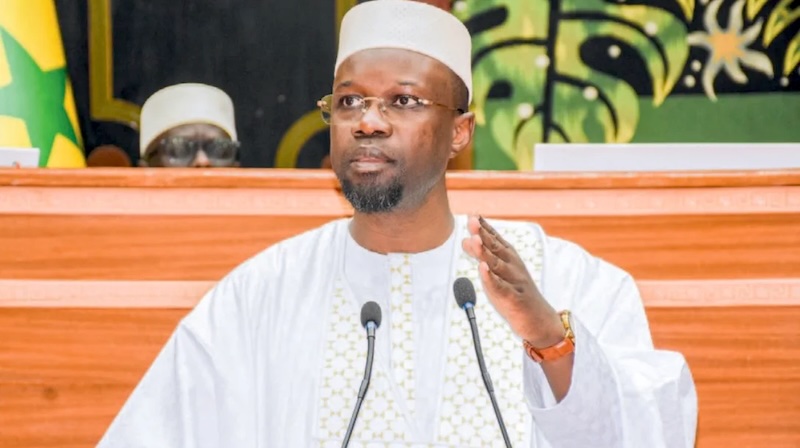
Senegal National Assembly: Sonko Clarifies Inquiry Commission Powers
During the inaugural session of the National Assembly for 2026-2027, Ousmane Sonko, in Senegal, instructed parliamentary commissions to define the scope of their investigative work, particularly concerning the "One student, one computer" program, emphasizing that these commissions are not judicial bodies and do not judge individuals.
This statement by the President of the National Assembly clarifies the constitutional limits of parliamentary investigative powers, aiming to prevent their misuse as quasi-judicial forums and to protect the rights of individuals appearing before them. It underscores the separation of powers between the legislative and judicial branches, a fundamental principle in many democratic systems, including Senegal's. For practitioners, this means that parliamentary inquiries, while powerful, operate under specific legal constraints and cannot usurp the role of the courts, impacting how individuals and entities engage with such commissions.
The legal framework governing parliamentary commissions in Senegal would typically be found in the Constitution, the internal rules of the National Assembly, and potentially specific organic laws. Article 85 of the Senegalese Constitution, for instance, outlines the National Assembly's power to control government action, which includes establishing investigative commissions. However, these powers are not unlimited and must respect the principle of separation of powers (Article 81). Sonko's remarks highlight the distinction between parliamentary oversight, which aims to verify facts and make recommendations, and judicial proceedings, which determine guilt and impose sanctions. The mention of transmitting facts to the public prosecutor or adopting a resolution for impeachment (mise en accusation) points to the legal mechanisms for transitioning from parliamentary inquiry to potential judicial action, adhering to due process.
Key parties involved include Ousmane Sonko as President of the National Assembly, the National Assembly itself through its parliamentary commissions, and individuals appearing before these commissions, such as those potentially linked to the "Un étudiant, un ordinateur" program. The Public Prosecutor's office could also become a party if facts are transmitted for criminal investigation. The report was sourced from Senego.
Attorneys representing individuals or entities summoned before Senegalese parliamentary investigative commissions should be acutely aware of the limited scope of these bodies. They must advise clients that commissions are fact-finding and recommendation-making entities, not courts of law. Practitioners should emphasize the importance of rigorous adherence to facts, avoiding political judgments, and ensuring that any potential criminal elements are properly referred to the judicial system, rather than being adjudicated by the legislature. Monitoring the implementation of Sonko's directives and any subsequent legislative reforms regarding commission procedures will be crucial for ensuring fair treatment and upholding legal principles.
How does this affect you?
Get an AI analysis of this article grounded in your jurisdictions, practice areas, and any policy documents you've uploaded to Wansom.
Finish Reading the Full Story and the Expert Analysis.
Get the latest legal & regulatory intelligence in Senegal
Wansom is AI and can make mistakes.