
Senegal Prosecutor: Civil Society Files Hate Speech Complaint
Summary
- Three Senegalese civil society groups filed a complaint with the public prosecutor on Wednesday.
- The complaint targets the rise of xenophobic discourse on social media platforms.
- It specifically documents 25 online accounts accused of spreading hate messages and inciting murder.
- The organizations involved include FRAPP, the Naw-Le initiative, and the collective Stop à la xénophobie.
Formal Complaint Filed
This move suggests a growing willingness among advocacy groups to leverage formal legal channels to combat the spread of harmful narratives on digital platforms.
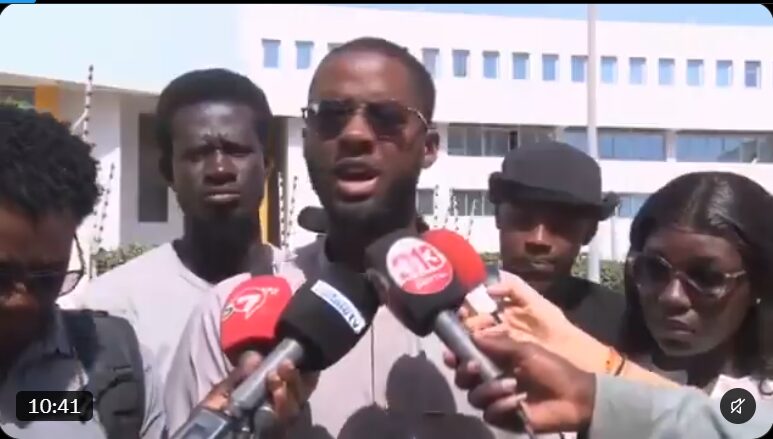
On Wednesday, a coalition of Senegalese civil society groups, comprising the Front pour une révolution anti-impérialiste populaire et panafricaine (FRAPP), the Naw-Le initiative, and the collective Stop à la xénophobie, officially submitted a complaint to the public prosecutor. This formal action was taken to address what they describe as a significant increase in xenophobic discourse circulating on various social media platforms within the country. The organizations emphasized the detrimental impact of such online content on national cohesion and public safety.
The detailed complaint specifically identified and documented 25 distinct online accounts. These accounts are accused by the filing organizations of actively disseminating messages that promote hatred and, more gravely, include direct calls for violence, even incitement to murder. The groups provided evidence supporting their claims, urging the procureur de la République to take decisive action against the individuals or entities responsible for these online activities.
Intensified Legal Scrutiny
The direct engagement with the procureur de la République Sénégal by these civil society organizations marks a notable development in the country's approach to online content regulation. This move suggests a growing willingness among advocacy groups to leverage formal legal channels to combat the spread of harmful narratives on digital platforms. It also signals a potential for increased legal scrutiny and enforcement against individuals or groups found to be propagating hate speech or incitement online.
Such a complaint could initiate a formal investigation into the identified accounts and their operators. If substantiated, the allegations of incitement to murder social media Senegal could lead to significant legal consequences under Senegalese law, which prohibits such dangerous forms of expression. This development highlights the evolving landscape of digital rights and responsibilities, where the boundaries of free speech are increasingly tested against the imperative to prevent harm and maintain public order.
Addressing Online Xenophobia
The collective action by FRAPP Naw-Le Stop xénophobie underscores the severe challenges posed by the proliferation of xenophobia social media Senegal. The organizations' focus on specific accounts demonstrates a targeted effort to hold individuals accountable for their online conduct, moving beyond general condemnations of hate speech. This initiative aims to disrupt the channels through which discriminatory and violent messages are spread, thereby protecting vulnerable communities and fostering a more inclusive online environment.
The documented instances of réseaux sociaux discours haineux Sénégal are not merely abstract concerns; they represent real threats to individuals and groups targeted by such rhetoric. By bringing these issues to the attention of the public prosecutor, the civil society groups are advocating for a stronger legal framework and more proactive enforcement to counter digital hate. Their complaint serves as a critical reminder of the societal responsibility to monitor and address the harmful effects of online content, ensuring that digital spaces do not become breeding grounds for division and violence.
Practical Implications
This development signals increased legal scrutiny and potential prosecution for online hate speech and incitement in Senegal, requiring legal professionals to advise clients on stricter compliance with national laws regarding digital content and social media conduct. Compliance officers should review internal policies on user-generated content and employee social media use to mitigate legal risks.
Source
How does this affect you?
Get an AI analysis of this article grounded in your jurisdictions, practice areas, and any policy documents you've uploaded to Wansom.
Finish Reading the Full Story and the Expert Analysis.
Wansom is AI and can make mistakes.