
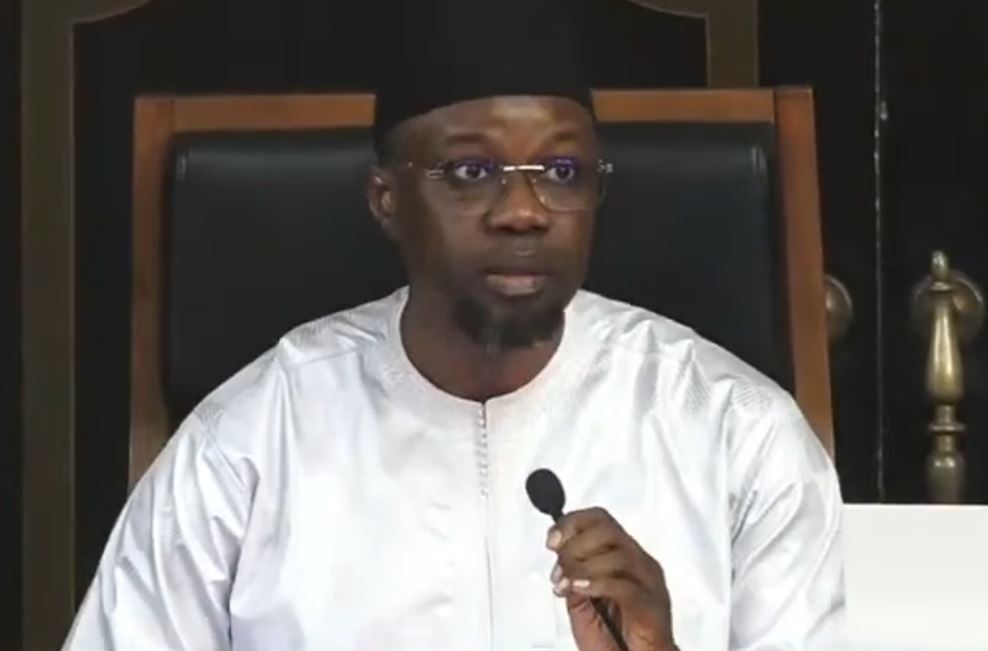
Sénégal PLFR 2026 Renvoi Commission: Sonko Endorses Government Request
Summary
- Ousmane Sonko, President of Senegal's National Assembly, accepted the government's request to refer the PLFR 2026 to a commission.
- President Sonko emphasized the importance of ongoing dialogue between state institutions.
- He also announced the immediate convocation of the conference of presidents to discuss the legislative agenda.
- The referral of the Projet de Loi de Finances Rectificative 2026 to commission signals potential amendments to financial regulations.
- This legislative development holds significant implications for tax obligations and public procurement in Senegal.
What Happened
Lawyers and compliance officers, particularly those advising on financial matters in Senegal, should closely monitor the progression of this legislative process.
Ousmane Sonko, serving as the President of the Senegalese National Assembly, has officially endorsed a request from the government to direct the Projet de Loi de Finances Rectificative (PLFR) for the year 2026 to a parliamentary commission for detailed examination. This procedural acceptance by the head of the legislative body marks a key development in the nation's financial legislative calendar. The government's initiative to have the proposed budget adjustments undergo a thorough review by a specialized committee was thus granted.
In conjunction with this acceptance, President Sonko articulated a strong belief in the ongoing necessity of robust communication and collaboration between the various branches of government. He underscored the importance of maintaining an active dialogue among state institutions, emphasizing that such interaction is fundamental to effective governance. This statement accompanied his decision to proceed with the government's request regarding the PLFR 2026.
Further demonstrating his commitment to the legislative process and inter-institutional coordination, Sonko promptly announced the immediate convening of the conference of presidents. This body, comprising the leaders of parliamentary groups and other key figures within the Assemblée nationale Sénégal, is crucial for organizing legislative work and setting the agenda. Its convocation signifies a readiness to deliberate on the next steps for the budget rectificatif 2026.
Legislative Context and Procedure
The Projet de Loi de Finances Rectificative (PLFR) 2026 represents a critical legislative instrument designed to modify the initial annual finance law, often in response to unforeseen economic shifts or revised governmental priorities. In Senegal, such a "budget rectificatif" is essential for ensuring that the national budget remains responsive and aligned with current fiscal realities. The process of referring this significant financial legislation to a specialized commission within the Assemblée nationale Sénégal is a standard, yet profoundly important, stage in its journey towards enactment.
When a bill, particularly one as impactful as the Sénégal PLFR 2026, is sent to a commission, it undergoes intensive scrutiny by a smaller group of parliamentarians. These committees are responsible for conducting in-depth analyses, proposing amendments, and hearing expert testimony, thereby refining the text before it is presented for a full vote by the entire Assembly. This meticulous review ensures that all aspects of the proposed financial adjustments are thoroughly vetted, reflecting the legislative body's role in overseeing public finances.
The subsequent convocation of the conference of presidents, as announced by Ousmane Sonko, is another pivotal procedural step. This forum brings together the heads of the various political groups represented in the National Assembly to strategize on the legislative agenda, including the timeline and modalities for discussing the PLFR. Their collective input is instrumental in shaping the parliamentary debate and ensuring a coordinated approach to the review of the nation's financial legislation. This collaborative mechanism is vital for the efficient functioning of the Assemblée nationale Sénégal and for managing complex legislative items like the budget rectificatif 2026.
Why It Matters
The decision to refer the Sénégal PLFR 2026 to a parliamentary commission carries substantial implications for various sectors and stakeholders within the country. This procedural move indicates that the proposed financial adjustments are now subject to detailed legislative deliberation, which could lead to significant modifications before final approval. For businesses, investors, and citizens, the eventual content of this budget rectificatif 2026 could directly influence tax policies, public spending priorities, and the regulatory environment for the upcoming fiscal period.
Lawyers and compliance officers, particularly those advising on financial matters in Senegal, should closely monitor the progression of this legislative process. The referral to commission suggests that the PLFR 2026 is not a mere formality but an active legislative endeavor with potential for substantial amendments. These changes could impact a wide array of financial regulations, including revisions to tax obligations, new directives for public procurement, or alterations to other fiscal frameworks that govern economic activities.
The emphasis by President Ousmane Sonko on maintaining dialogue between institutions further underscores the collaborative and potentially dynamic nature of this legislative phase. The outcomes of the commission's review and the subsequent discussions within the Assemblée nationale Sénégal will ultimately define the financial landscape for 2026. Therefore, staying abreast of these developments is crucial for anticipating and adapting to any new legal or financial requirements that may emerge from the final version of the Projet de Loi de Finances Rectificative.
Practical Implications
Lawyers and compliance officers advising on financial matters in Senegal should closely monitor the legislative process for the PLFR 2026, as its referral to commission indicates potential for significant amendments that could impact tax obligations, public procurement, or other financial regulations for the upcoming fiscal year.
Source
How does this affect you?
Get an AI analysis of this article grounded in your jurisdictions, practice areas, and any policy documents you've uploaded to Wansom.
Finish Reading the Full Story and the Expert Analysis.
Wansom is AI and can make mistakes.