
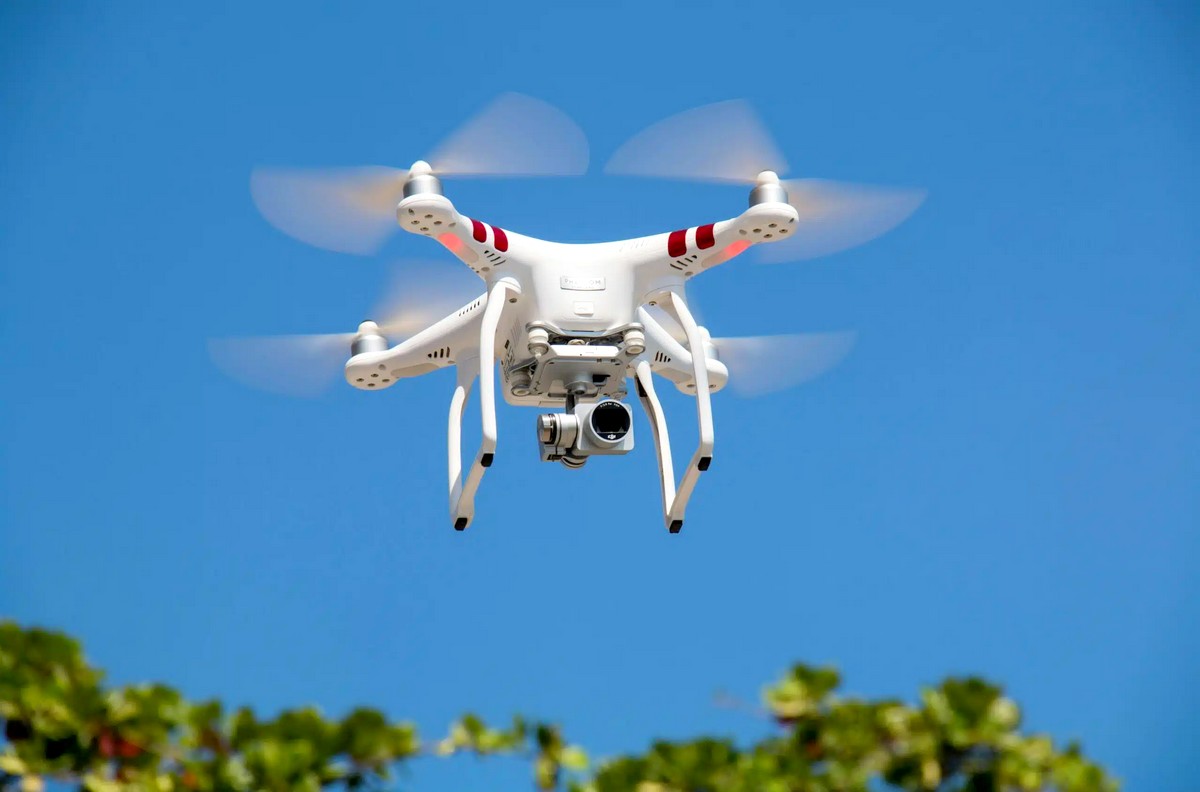
ANACIM: Drone Ban Imposed on Dakar 2026 Sites
Summary
- ANACIM has implemented a temporary drone ban within a five-kilometer radius of several Jeux olympiques de la Jeunesse Dakar 2026 sites.
- This no-fly zone is effective from October 29 to November 14, covering key venues and strategic transport routes.
- The directive, issued by ANACIM Director General Dr. Diaga Basse, specifically targets drone operators and media.
- The restriction is an integral part of comprehensive security preparations for the JOJ Dakar 2026.
- Broader security efforts include enhanced surveillance of the TER and police reconnaissance of event locations.
Imposition of Drone No-Fly Zones for JOJ Dakar 2026
Lawyers advising media companies, drone operators, or event logistics firms in Senegal must inform clients about the temporary drone ban around JOJ Dakar 2026 venues to ensure compliance with ANACIM regulations and avoid potential penalties or operational disruptions during the event period.
The Senegalese National Agency for Civil Aviation and Meteorology (ANACIM) has announced a temporary prohibition on drone operations within a five-kilometer radius of several critical venues designated for the Jeux olympiques de la Jeunesse Dakar 2026 (JOJ Dakar 2026). This significant security measure will be in effect from October 29 through November 14, encompassing the entire duration of the youth Olympic event. The directive specifically targets drone operators and media organizations planning aerial coverage, mandating strict adherence to the new regulations.
The affected locations under this ANACIM drone ban Dakar 2026 sites initiative include prominent sporting facilities such as the Iba Mar Diop stadium and the Olympic Swimming Pool, along with their immediate surroundings. Furthermore, the restriction extends to the Abdoulaye Wade stadium and the Lamantin Beach hotel in Saly, including their vicinities. Beyond these specific sites, the no-fly zone also covers the main highway, all designated Olympic traffic routes, and strategic corridors that connect the capital city of Dakar to Diamniadio, ensuring comprehensive aerial security across key logistical pathways.
Regulatory Mandate and Compliance Requirements
The official circular detailing this temporary restriction was issued by ANACIM's Director General, Dr. Diaga Basse, on October 27, 2026. This mandate establishes a critical Sénégal drone no-fly zone over vital areas associated with the upcoming international sporting event. For drone operators Senegal and media entities, understanding and complying with this directive is paramount to avoid potential legal repercussions and operational disruptions during the JOJ Dakar 2026.
This regulatory action underscores the government's commitment to ensuring a secure environment for all participants and spectators. Lawyers advising media companies, drone operators, or event logistics firms in Senegal must inform clients about the temporary drone ban around JOJ Dakar 2026 venues to ensure compliance with ANACIM regulations and avoid potential penalties or operational disruptions during the event period. The strict enforcement of these aerial restrictions is a foundational element of the broader security strategy for the Games.
Comprehensive Security Framework for the Games
The ANACIM drone ban is part of a much larger, integrated security plan designed to safeguard the Jeux olympiques de la Jeunesse Dakar 2026. A key focus of these preparations involves the security of the Regional Express Train (TER), which has been designated as the official transport system for youth participants throughout the two-week competition. Discussions regarding TER surveillance were held during a dedicated workshop that brought together SENTER SA, the operator of the railway, and the national security committee for the JOJ.
In a move to bolster infrastructure monitoring, four advanced drones equipped with thermal cameras are currently being acquired. These specialized unmanned aerial vehicles will significantly enhance surveillance capabilities along the railway lines and other critical infrastructure. Concurrently, police forces, under the leadership of Divisional Commissioner Mamadou Tendeng, who serves as the Central Commissioner of Dakar, have conducted extensive reconnaissance of both competition and non-competition sites to meticulously plan and implement on-ground Dakar 2026 security measures for the event.
Practical Implications
Lawyers advising media companies, drone operators, or event logistics firms in Senegal must inform clients about the temporary drone ban around JOJ Dakar 2026 venues to ensure compliance with ANACIM regulations and avoid potential penalties or operational disruptions during the event period.
Source
Source: Original reporting via Lesoleil
How does this affect you?
Get an AI analysis of this article grounded in your jurisdictions, practice areas, and any policy documents you've uploaded to Wansom.
Finish Reading the Full Story and the Expert Analysis.
Wansom is AI and can make mistakes.