
Sénégal PDS: Pastef Blocage Textes Financiers Over 2026 Finance Bill
Summary
- The Parti démocratique sénégalais (PDS) has accused Pastef deputies of obstructing the examination of crucial financial texts in the Senegalese National Assembly.
- This parliamentary blockage led to the rejection of the rectified finance bill for 2026 on November 3, 2026.
- Pastef opposed the bill, citing inconsistencies and proposed cuts to vital social projects in health, education, water, and infrastructure, while also advocating for continued fuel subsidies.
- The PDS warned that the ongoing legislative paralysis could severely impact the population, undermine investor confidence, and jeopardize Senegal's international obligations.
- In response, the PDS announced a national tour starting in December 2026 to revitalize its party structures and relaunch its student movement.
Legislative Impasse Over Senegal's Financial Future
The PDS has issued a stark warning that this parliamentary paralysis threatens not only the welfare of the population but also the confidence of investors and Senegal's ability to uphold its international commitments.
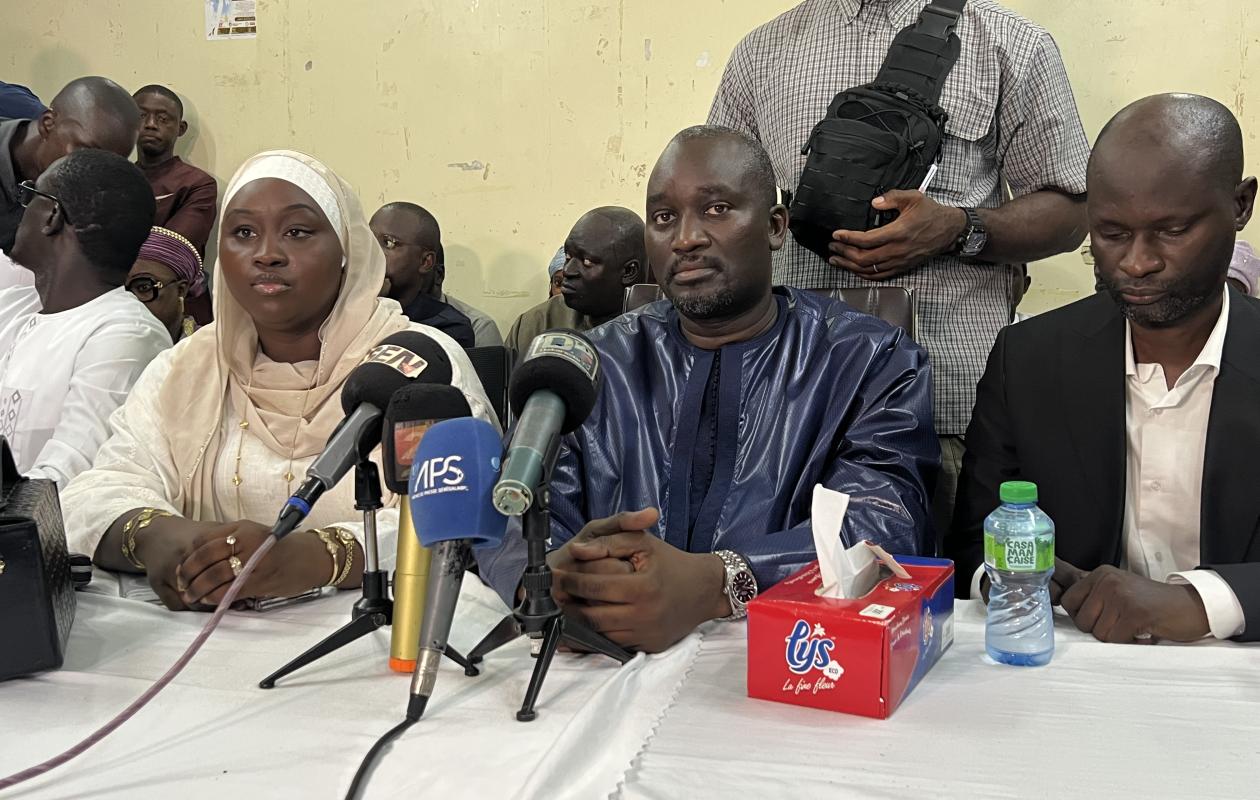
The Parti démocratique sénégalais (PDS) has publicly condemned what it describes as significant obstruction within the Assemblée nationale Sénégal during the review of critical financial legislation. This stance was formally adopted by the party's general secretaries and federation presidents, convening at the OLB headquarters, and subsequently announced on Saturday, November 7, 2026. The liberal party's leadership specifically accused deputies from Pastef of engaging in deliberate maneuvers to block these essential texts, creating a legislative bottleneck.
A central point of contention in this ongoing Sénégal PDS Pastef blocage textes financiers is the proposed rectified finance bill (PLFR) 2026. This crucial piece of legislation faced outright rejection by parliamentary members on November 3, 2026. Pastef articulated its opposition by highlighting what it perceived as inconsistencies within the bill and the proposed elimination of various social programs. The party specifically called for a reevaluation of planned reductions in funding for vital sectors such as health, education, water infrastructure, and general infrastructure projects. Furthermore, Pastef advocated for the retention of fuel subsidies, arguing that their removal would negatively impact citizens' purchasing power.
Constitutional Mandate and Economic Stability
The National Assembly holds a fundamental constitutional role in Senegal, tasked with scrutinizing and approving the nation's financial frameworks, including annual budgets and rectified finance bills. The current legislative impasse, characterized by the rejection of the loi finances rectificative 2026, directly impedes the government's ability to adjust its fiscal strategy in response to evolving economic conditions or unforeseen needs. Such a conflit parlementaire Sénégal budget 2026 not only delays critical public spending but also casts a shadow over the predictability of the country's economic policy.
The PDS has underscored the gravity of this situation, emphasizing that a prolonged paralysie parlementaire Sénégal could have far-reaching negative consequences. Beyond the immediate impact on government operations, the party stressed the importance of the Assembly fulfilling its constitutional duties to ensure the smooth functioning of the state. The inability to pass essential financial texts can disrupt public services, delay development projects, and ultimately undermine the government's capacity to meet its obligations to the populace.
Widespread Repercussions and Political Response
The PDS has issued a stark warning that this parliamentary paralysis threatens not only the welfare of the population but also the confidence of investors and Senegal's ability to uphold its international commitments. The ongoing parliamentary obstruction regarding financial texts, particularly the 2026 rectified finance bill, creates significant uncertainty for businesses and investors operating within Senegal. This environment of fiscal unpredictability can deter new investments, impact existing project timelines, and complicate financial forecasts for companies reliant on a stable regulatory and spending landscape.
In light of these concerns and the perceived obstruction by Pastef, the PDS has also announced strategic internal initiatives. The party plans a comprehensive program aimed at revitalizing its structures across the nation. This redynamization effort will commence with a national tour of PDS federations, scheduled to begin in December 2026. Additionally, the party intends to relaunch the Mouvement des élèves et étudiants libéraux, signaling a broader effort to strengthen its base and influence amidst the current political climate.
Practical Implications
The ongoing parliamentary obstruction regarding financial texts, particularly the 2026 rectified finance bill, creates significant uncertainty for businesses and investors in Senegal. Lawyers should advise clients to closely monitor the resolution of this dispute, as it could impact government spending, public procurement, and the stability of the fiscal and regulatory environment, potentially affecting project timelines and financial forecasts.
Source
How does this affect you?
Get an AI analysis of this article grounded in your jurisdictions, practice areas, and any policy documents you've uploaded to Wansom.
Finish Reading the Full Story and the Expert Analysis.
Get the latest legal & regulatory intelligence in Senegal
Wansom is AI and can make mistakes.