
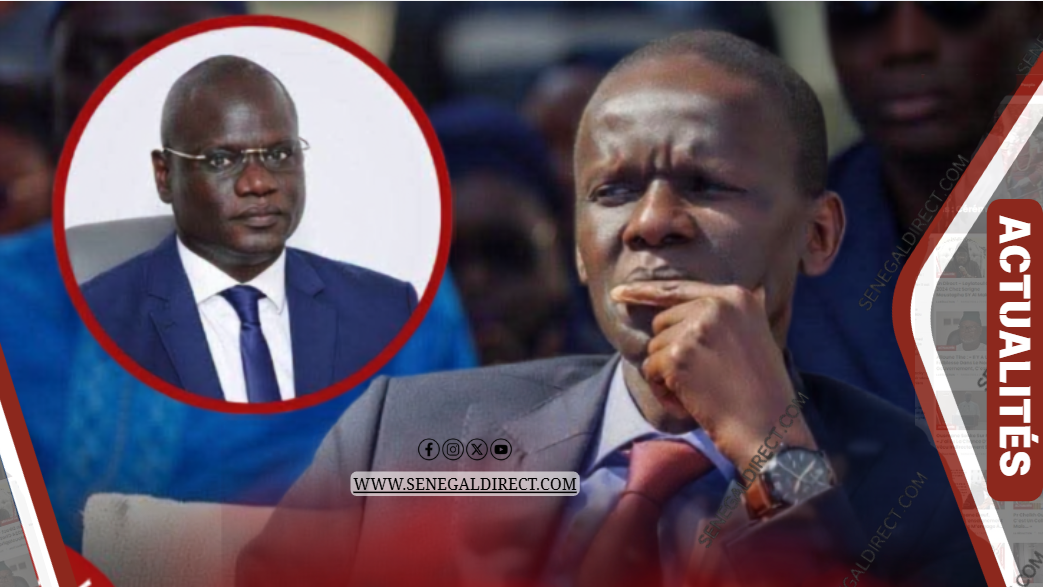
Senegal Oil Gas Contract Renegotiation: Waly Bodian Challenges Minister
Summary
- Waly Diouf Bodian publicly criticized Senegal's Minister of Energy and Petroleum, Abdourahmane Diouf, regarding his approach to renegotiating natural resource contracts.
- Bodian questioned Diouf's ability to lead reforms and manage the ministry effectively, accusing him of prioritizing theory over action.
- The challenge occurs amid a broader public debate in Senegal concerning the control of oil and gas resources and the revision of sector agreements.
- This is not the first clash between the two, with Bodian having previously accused Diouf in July 2026 of benefiting from power without sharing political orientations.
- Minister Diouf has not yet publicly responded to Bodian's latest criticisms, highlighting ongoing political tension in the energy sector.
Political Challenge to Energy Minister's Stance
Legal professionals advising clients with interests in Senegal's oil, gas, or mining sectors should closely monitor these developments, as they are strong indicators of potential regulatory changes and increased governmental oversight in the coming years.
Waly Diouf Bodian, formerly the Director General of the Autonomous Port of Dakar, has publicly challenged Abdourahmane Diouf, Senegal's Minister of Energy and Petroleum. This critique emerged following the Minister's appearance on the "Sen Show" program broadcast on Sen TV. Bodian specifically targeted the Minister's public statements, professional background, and operational methodologies, expressing significant reservations about his stated ambitions concerning the renegotiation of natural resource contracts.
Bodian's criticism extended to an ironic observation, suggesting that Minister Diouf's involvement in such renegotiation efforts dates back to his student years in Sanar. He further accused Abdourahmane Diouf of prioritizing theoretical considerations over tangible actions, thereby casting doubt on the Minister's capacity to effectively implement the reforms he has announced for the sector. This public questioning underscores a growing scrutiny of the government's approach to its vital natural resources.
The former head of the Autonomous Port of Dakar also voiced concerns regarding the overall management of the Ministry of Energy and Petroleum. He asserted that, under the current leadership, "Nothing will move in his ministry, as usual," implying a lack of progress or dynamism. This direct challenge from a prominent figure highlights the intense political debate surrounding Senegal's energy sector policy and the future of its resource agreements.
Broader Context of Resource Governance
This recent public exchange between Waly Diouf Bodian and Abdourahmane Diouf is set against a backdrop of significant public discourse in Senegal regarding the control of its burgeoning oil and gas resources. The revision of various agreements within the energy sector is a prominent topic, reflecting a national desire for greater sovereignty and optimized benefits from these strategic assets. The ongoing debate about Senegal oil gas contract renegotiation is a central theme in the nation's political landscape.
The current confrontation is not an isolated incident. In July 2026, Waly Diouf Bodian had previously accused Abdourahmane Diouf of leveraging his position of power without transparently sharing his political orientations. This earlier dispute was itself preceded by a denial issued in late June concerning an alleged plan to postpone the 2024 presidential election, indicating a pattern of political tension and public scrutiny involving the Minister.
As of now, Abdourahmane Diouf, the energy minister of Senegal, has not issued any public response to Waly Diouf Bodian's latest criticisms. This silence, amidst escalating public pressure and calls for greater accountability in Senegal natural resource governance, further fuels the ongoing national conversation about the direction and management of the country's petroleum agreements revision and broader energy sector policy.
Implications for Senegal's Energy Sector Policy
The persistent public challenge to the Minister of Energy and Petroleum, particularly concerning the renegotiation of natural resource contracts, signals a sustained and intense governmental and public pressure for a comprehensive review of existing agreements. This environment suggests that future policy shifts or increased scrutiny of current investment terms and Senegal mining contract review processes are highly probable. The political dynamics surrounding figures like Abdourahmane Diouf and Waly Diouf Bodian are indicative of a broader national push for more favorable terms in resource exploitation.
This ongoing debate, centered on the effective control and management of Senegal's oil and gas assets, carries significant implications for both domestic policy and international investors. The vocal criticisms and the broader public sentiment underscore a demand for greater transparency and tangible benefits from the nation's natural wealth. Such sustained pressure could lead to a re-evaluation of existing Senegal petroleum agreements revision, potentially impacting operational frameworks and financial arrangements for companies involved in the sector.
The absence of a public response from Minister Diouf, coupled with the historical context of previous accusations and denials, suggests a complex political environment where the future of Senegal's energy sector policy is actively being shaped by public opinion and political challenges. Legal professionals advising clients with interests in Senegal's oil, gas, or mining sectors should closely monitor these developments, as they are strong indicators of potential regulatory changes and increased governmental oversight in the coming years.
Practical Implications
Lawyers advising clients with oil, gas, or mining interests in Senegal should monitor this political debate closely, as it signals sustained government and public pressure for contract renegotiation, potentially leading to future policy shifts or increased scrutiny of existing agreements and investment terms.
Source
How does this affect you?
Get an AI analysis of this article grounded in your jurisdictions, practice areas, and any policy documents you've uploaded to Wansom.
Finish Reading the Full Story and the Expert Analysis.
Get the latest legal & regulatory intelligence in Senegal
Wansom is AI and can make mistakes.