
Amadou Ba: Dénonce 'Budgets Cachés' in Sénégal's LFR 2026
Summary
- Amadou Ba has publicly criticized Senegal's Loi de finances rectificative (LFR) 2026, alleging the presence of "budgets cachés."
- Pastef deputies rejected the LFR 2026 due to identified irregularities, including 540 billion FCFA lacking sufficient coverage.
- Concerns were raised regarding the disappearance of energy subsidies and unidentified funding for family security scholarships.
- The proposed budget also includes a 555 billion FCFA cut in investment credits and a 112.8 billion FCFA increase in "hidden debt" principal repayment.
- Parliamentarians are demanding government clarification on these issues, while the FRAPP movement seeks the Mazars report.
Allegations of Hidden Budgets in Senegal's LFR 2026
The allegations of hidden budgets and insufficient coverage for substantial expenditures could erode public trust and invite further scrutiny from both domestic and international bodies.
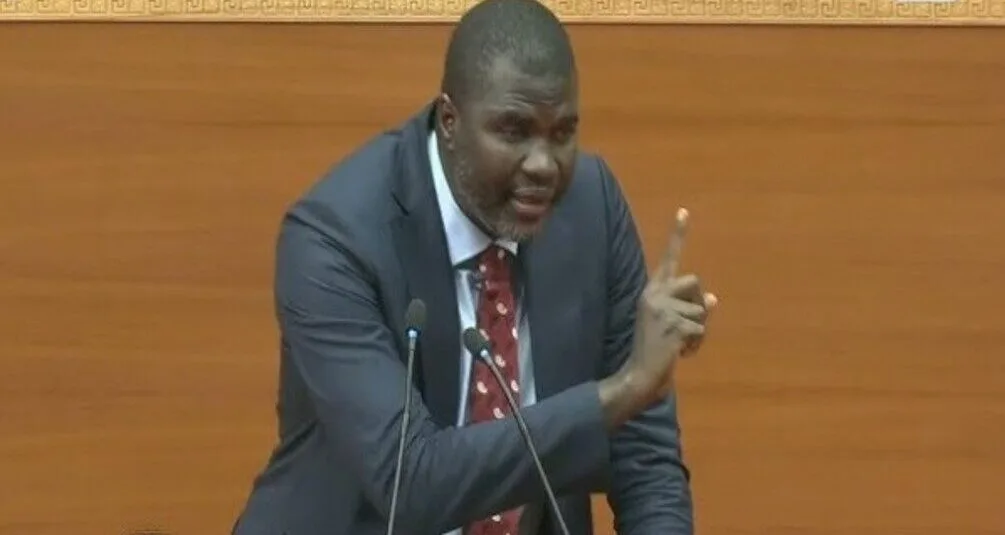
Amadou Ba, a prominent political figure and Pastef deputy, currently serving as the 5th Vice-President of the National Assembly, has voiced strong objections to Senegal's proposed Loi de finances rectificative (LFR) 2026, specifically highlighting what he terms "budgets cachés." Speaking at a party press conference, Ba defended the decision by Pastef deputies to reject the budget, asserting that their stance was based on identified irregularities rather than political or personal motivations. This rejection underscores significant concerns regarding the management of public finances and the transparency of budgetary modifications.
Among the critical issues raised, Ba pointed to an alarming 540 billion FCFA within the budget that he claims lacks sufficient financial coverage. He further detailed the disappearance of subsidies allocated for energy, a crucial component of public support. Additionally, he noted a lack of clearly identified funding for family security scholarships within the special Treasury accounts managed by the Ministry of Family, Social Action and Solidarities, raising questions about the allocation and oversight of these vital social programs.
The proposed LFR 2026 also faces scrutiny over a substantial reduction in investment credits, with a planned decrease of 555 billion FCFA for the year. Parliamentarians are demanding specific details regarding the projects that would be affected by this contraction. This cut in investment coincides with a significant increase in the repayment of the principal for the so-called "dette cachée Sénégal LFR," which is set to rise by 112.8 billion FCFA, moving from 516.32 billion FCFA in the initial budget to 629.12 billion FCFA in the rectifying bill.
Parliamentary Scrutiny and Demands for Transparency
The rejection of the LFR 2026 by Pastef deputies, championed by Amadou Ba, signals a heightened demand for transparency in Senegal's public financial management. Ba emphasized that the parliamentary vote was a direct response to the "Amadou Ba irrégularités budgétaires" discovered during the legislative review process. This parliamentary oversight is crucial, particularly as budgetary margins are reportedly tightening, necessitating a more rigorous approach to public spending and revenue allocation.
In response to these concerns, parliamentarians are collectively urging the government to provide comprehensive clarifications on the identified budgetary discrepancies. Specifically, they seek detailed explanations regarding the missing energy subsidies and the unallocated funds for family security scholarships. The ongoing debate extends to the mysterious "dette cachée," whose origins and full extent remain subjects of intense investigation and political discussion, with the FRAPP movement notably demanding the public release of the Mazars report to shed light on this matter.
This situation highlights a broader call for accountability in the use of public resources. Amadou Ba has consistently advocated for stringent control and a clear rendition of accounts for all public funds, particularly those designated for state personalized services. The "Pastef rejet LFR 2026" is thus framed as a critical step towards ensuring greater "Transparence finances publiques Sénégal" and safeguarding the integrity of the national budget.
Implications for Public Finance and Accountability
The current dispute over the LFR 2026, with Amadou Ba dénonce budgets cachés LFR 2026, carries significant implications for Senegal's fiscal landscape and its commitment to good governance. The allegations of hidden budgets and insufficient coverage for substantial expenditures could erode public trust and invite further scrutiny from both domestic and international bodies. The call for institutions to find a compromise underscores the urgency of resolving these budgetary ambiguities to maintain economic stability and investor confidence.
For legal and compliance professionals, this scenario necessitates close monitoring. The heightened risks associated with public finance transparency could lead to future investigations into government spending, potentially impacting public contracts, subsidies, and social programs. Entities operating within or engaging with the Senegalese public sector must exercise enhanced due diligence, as the outcome of this parliamentary debate could influence legislative reforms and the overall regulatory environment.
The increase in "dette cachée" repayment, coupled with cuts to investment credits, paints a complex picture of Senegal's financial health. The demand for clarity on the "subvention énergie bourses familiales Sénégal" and other budgetary items reflects a fundamental expectation for accountability. This ongoing situation serves as a critical indicator of the evolving landscape of public finance oversight in Senegal, emphasizing the need for robust mechanisms to ensure that public resources are managed with utmost integrity and transparency.
Practical Implications
Lawyers and compliance officers should closely monitor the ongoing parliamentary scrutiny and public debate surrounding Senegal's LFR 2026 and the alleged 'hidden budgets.' This situation signals heightened risks related to public finance transparency, potential for future investigations into government spending, and possible legislative reforms affecting public contracts, subsidies, and social programs, requiring due diligence for clients operating in or with the Senegalese public sector.
Source
Source: Original reporting via Xibaaru.
How does this affect you?
Get an AI analysis of this article grounded in your jurisdictions, practice areas, and any policy documents you've uploaded to Wansom.
Finish Reading the Full Story and the Expert Analysis.
Get the latest legal & regulatory intelligence in Senegal
Wansom is AI and can make mistakes.