
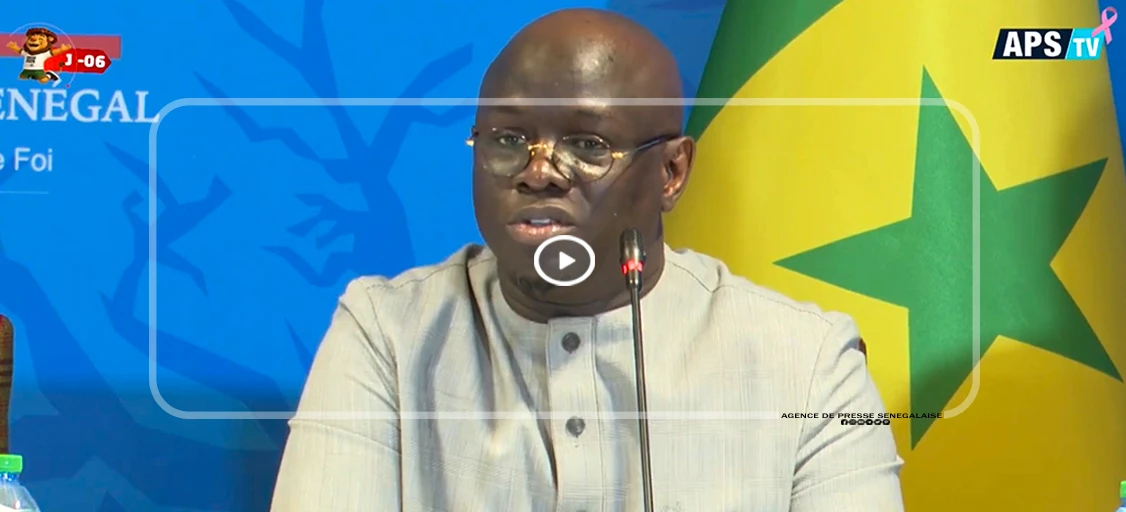
Cheikh Diba: Sénégal Budget Rejet Threatens Credibility
Summary
- Senegal's Minister of Economy, Finance, and Plan, Cheikh Diba, has warned about significant budgetary constraints.
- Public revenues are declining, expenditures are rising, and payment arrears are accumulating within the Senegalese state.
- Diba cautioned that rejecting the draft finance bill could severely damage the state's credibility.
- This potential loss of credibility would impact the populace, the private sector, and international partners.
- In December 2025, Minister Diba had previously discussed an allocation of 11.825 billion FCFA for infantry combat vehicles during a revised finance bill review.
Warning on Senegal's Fiscal Health
Minister Diba explicitly warned that the rejection of the draft finance bill could severely compromise the state's credibility with several key groups.
Cheikh Diba, who serves as Senegal's Minister of Economy, Finance, and Plan, has issued a significant warning regarding the nation's financial stability. He articulated the severe budgetary constraints currently challenging the Senegalese state, emphasizing a critical juncture for the country's economic future. The Minister's primary concern revolves around the potential rejection of the upcoming draft finance bill, which he believes could have profound negative consequences. This situation highlights a crucial moment for Cheikh Diba, Sénégal's budget, and the potential for a rejection to impact national credibility.
According to Minister Diba, a failure to pass the proposed budget legislation would not merely be a procedural setback. Instead, it carries the risk of undermining the state's credibility across multiple vital sectors. Such an outcome could signal fiscal instability, potentially leading to a loss of confidence from both domestic and international stakeholders. His statement, as reported by APS, underscores the urgency and gravity of the current financial discussions within the government.
Mounting Financial Pressures
The Minister detailed the specific financial pressures contributing to the current budgetary difficulties. He noted a concerning trend of decreasing public revenues, which directly impacts the government's ability to fund its operations and commitments. Concurrently, state expenditures are on an upward trajectory, creating a widening gap between income and outlay. This imbalance is further exacerbated by the accumulation of payment arrears, indicating a struggle to meet existing financial obligations in a timely manner.
These contraintes budgétaires État sénégalais present a complex challenge for the finances publiques Sénégal, requiring careful management and strategic decision-making. The combination of reduced income and increased spending, coupled with outstanding debts, paints a picture of fiscal strain that necessitates immediate and effective legislative action. The ministre Économie Finances Sénégal is therefore navigating a difficult economic landscape that demands a robust and accepted projet loi de finances Sénégal to restore balance and confidence.
Risks to National and International Standing
Minister Diba explicitly warned that the rejection of the draft finance bill could severely compromise the state's credibility with several key groups. Domestically, both the general populace and the private sector could lose faith in the government's financial management capabilities. This erosion of trust might translate into reduced economic activity, diminished investment, and increased public skepticism regarding the state's ability to deliver on its promises. For businesses, this could mean an increased risk of arriérés de paiement Sénégal from government contracts or a less predictable regulatory environment.
Internationally, a budget rejection could damage Senegal's standing with its global partners, potentially affecting future aid, loans, and foreign direct investment. Such a scenario could lead to a perception of instability, making it harder for Senegal to secure favorable financial terms or engage in productive international collaborations. The Minister's alert thus serves as a stark reminder of the interconnectedness of national fiscal policy and broader economic and diplomatic relations. The integrity of the state's financial planning is paramount for maintaining these crucial relationships.
Prior Budgetary Deliberations
This is not the first instance where Minister Cheikh Diba has engaged in detailed parliamentary discussions concerning national expenditures. In December 2025, during the review of a separate revised finance bill, he presented specific proposals to parliamentarians. At that time, Diba outlined an allocation amounting to 11 billion 825 million FCFA. This substantial sum was earmarked for the acquisition of infantry combat vehicles, demonstrating the government's commitment to national defense and security.
This previous discussion underscores the rigorous process involved in approving state finances and the detailed scrutiny applied to various spending categories. The mention of this specific allocation in a past legislative session provides context to the ongoing budgetary debates, illustrating the continuous nature of financial planning and resource allocation within the Senegalese government. It highlights that budgetary decisions often involve significant sums for critical national priorities, making the current projet loi de finances Sénégal equally vital for the country's strategic direction.
Practical Implications
Lawyers and compliance officers should closely monitor the ongoing budgetary debates in Senegal. The Minister's warning signals potential fiscal instability and risks to state credibility, which could translate into increased payment delays from government entities, shifts in public spending priorities impacting contracts, or a less predictable regulatory environment for businesses operating in or with the Senegalese state.
Source
Source: Original reporting via APS
How does this affect you?
Get an AI analysis of this article grounded in your jurisdictions, practice areas, and any policy documents you've uploaded to Wansom.
Finish Reading the Full Story and the Expert Analysis.
Get the latest legal & regulatory intelligence in Senegal
Wansom is AI and can make mistakes.