
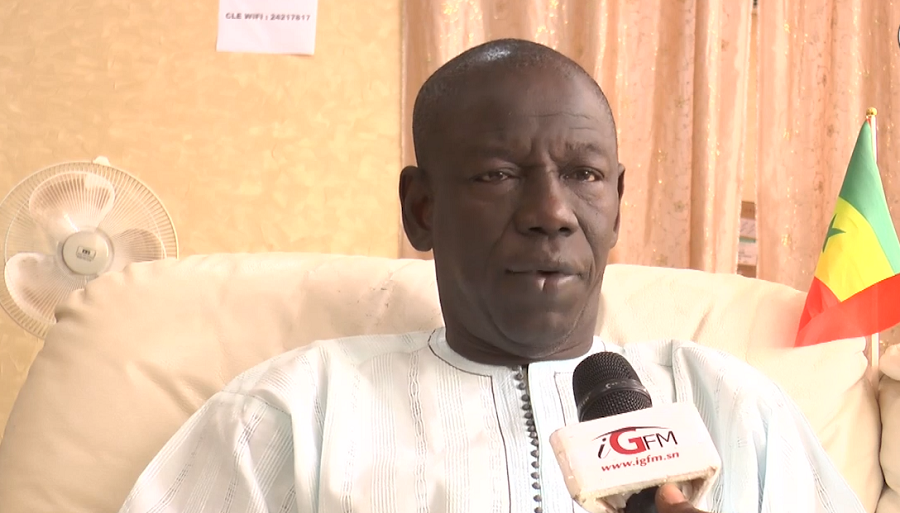
Abdoulaye Wilane: Commends Sénégal Loi Finances Rectificative 2026 Enactment by Decree
Summary
- Abdoulaye Wilane, spokesperson for the Socialist Party of Senegal, issued a statement on November 20, 2026.
- Wilane congratulated the head of state for enacting the Loi de Finances Rectificative 2026 (LFR 2026) by decree.
- He affirmed that the LFR 2026 is constitutional.
- Wilane also praised the parliamentary opposition for their sense of responsibility.
- He called for shared responsibility among all stakeholders regarding the new law.
Enactment of Senegal's Revised Finance Law
The affirmation of the constitutionnalité loi finances Sénégal by a prominent political figure like Abdoulaye Wilane is particularly noteworthy, given that the LFR 2026 was put into force via a décret loi finances rectificative.
On November 20, 2026, Abdoulaye Wilane, the official spokesperson for the Socialist Party of Senegal, released a statement that addressed the recent implementation of the Loi de Finances Rectificative 2026 (LFR 2026). In his public remarks, Wilane conveyed his commendation to the head of state for bringing this crucial fiscal legislation into effect. Notably, the Sénégal loi finances rectificative 2026 was enacted through a presidential decree, a procedural detail that Wilane explicitly highlighted as being fully consistent with the nation's constitutional framework. This endorsement from a key political figure underscores the perceived legitimacy of the executive's actions in formalizing the revised budget.
The decision to enact the LFR 2026 Sénégal via decree signifies a direct and immediate approach to adjusting the national budget. Such a method allows for rapid response to evolving economic conditions or unforeseen financial requirements. Wilane's affirmation of the law's constitutionality, despite its enactment by decree, provides a political stamp of approval, suggesting that the necessary legal checks and balances were considered or are deemed satisfied. This development means that the provisions of the rectifying finance law are now officially in force, requiring immediate attention from all economic actors and legal practitioners within the country.
Political Dialogue and Collective Responsibility
Abdoulaye Wilane loi finances statement extended beyond mere executive praise, also acknowledging the contributions of the legislative branch. He specifically commended the parliamentary opposition for demonstrating a "sense of responsibility" in their engagement with the fiscal process. This recognition from a ruling party spokesperson suggests a constructive dynamic within the political landscape, where even opposing factions are seen to contribute positively to national governance, particularly on critical financial matters.
Furthermore, Wilane's declaration included a broader appeal for collective action, urging all stakeholders to embrace a principle of "shared responsibility" in navigating the implications of the newly enacted law. This call for unity underscores the complex challenges that the LFR 2026 is intended to address and highlights the need for a concerted national effort. It implies that the successful implementation and impact of the revised financial provisions will depend on cooperation across various sectors, from government agencies to private enterprises and the citizenry.
Legal Framework and Fiscal Adjustments
The constitutionnalité loi finances Sénégal, as affirmed by Abdoulaye Wilane, is a critical aspect of the LFR 2026's implementation, especially considering its enactment through a décret loi finances rectificative. The use of a presidential decree to bring such a significant financial law into force is a powerful executive prerogative, and its constitutional backing, as publicly stated by Wilane, reinforces the legal foundation of the new fiscal measures. This political endorsement helps to solidify public and institutional confidence in the legality of the updated financial framework.
The nature of a "rectificative" finance law indicates that it serves to amend or adjust the initial annual finance law, typically in response to changes in economic forecasts, revenue performance, or expenditure needs. Therefore, the LFR 2026 is designed to fine-tune the nation's financial strategy for the remainder of the fiscal year. Its immediate enforcement by decree necessitates that businesses, individuals, and legal counsel in Senegal promptly review its contents to understand any new tax obligations, budgetary allocations, or regulatory changes that may affect their operations and financial planning.
Practical Implications
Lawyers and compliance officers in Senegal should immediately review the newly enacted Loi de Finances Rectificative 2026 to understand its implications for their clients' financial obligations and tax planning, as the law is now in force by presidential decree and has been affirmed as constitutional by a key political figure. This requires advising clients on any new fiscal provisions or changes to existing regulations.
Source
How does this affect you?
Get an AI analysis of this article grounded in your jurisdictions, practice areas, and any policy documents you've uploaded to Wansom.
Finish Reading the Full Story and the Expert Analysis.
Get the latest legal & regulatory intelligence in Senegal
Wansom is AI and can make mistakes.