
OIM Sénégal: Lutte Contre Passeurs, Propose Emplois Agricoles
Summary
- The OIM and Senegal called for a dual approach to irregular migration, combining action against criminal networks with the development of professional opportunities.
- A conference in Dakar, attended by fifteen West African countries, focused on migratory governance and proposed agricultural jobs for youth as a solution.
- OIM Director Amy Pope highlighted the exploitation of youth by criminal networks and the potential of agriculture and agribusiness.
- Senegalese Justice Minister Moussa Sarr urged states to sanction traffickers and adopt a firm regional penal policy due to cross-border networks.
- A "Déclaration de Dakar" and a regional roadmap were adopted from the conference, aiming to strengthen judicial cooperation among participating nations.
Dakar Conference Addresses Migration Challenges
He specifically urged participating nations to impose sanctions on traffickers and to implement a firm penal policy against them.
A recent conference held in Dakar, focusing on migratory governance across West Africa, brought together representatives from fifteen nations to address the pressing issue of irregular departures towards Europe. The International Organization for Migration (OIM) and Senegal jointly advocated for a two-pronged strategy: actively combating criminal networks while simultaneously fostering professional opportunities within the region.
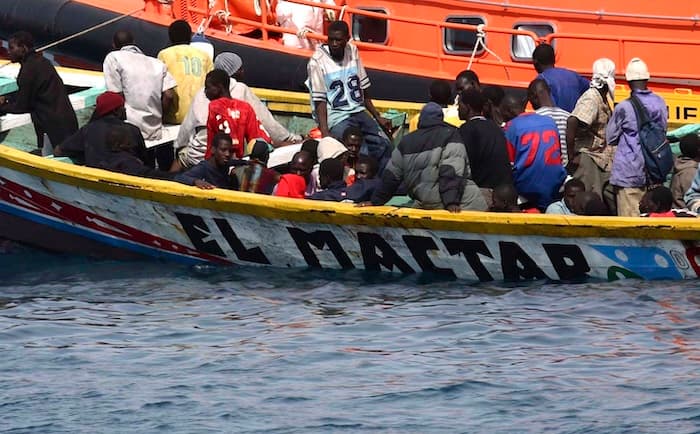
Amy Pope, the Director of the OIM, specifically highlighted the potential of agricultural jobs for young people, suggesting that the agriculture and agribusiness sectors could provide vital prospects for families and youth seeking opportunities. She also condemned the exploitation of young individuals who are deceived by criminal organizations with false promises of employment. This discussion comes amidst a reported resurgence of departures from West African coasts in recent weeks, with Cridem noting a tragic incident in early November where at least 43 people perished after a boat capsized northwest of Senegal.
Call for Regional Penal Policy
During the ministerial segment of the conference, Senegal's Minister of Justice, Moussa Sarr, emphasized the necessity of a sustainable regional approach to migration. Minister Sarr acknowledged that human mobility is deeply rooted in the history of West African societies, but stressed that the difficulties associated with irregular migration demand a unified and coordinated response from all states.
He specifically urged participating nations to impose sanctions on traffickers and to implement a firm penal policy against them. Sarr underscored that these criminal networks operate across national borders, making it impossible for any single country to effectively combat them in isolation. As a key outcome of the conference, a "Déclaration de Dakar" and a regional roadmap were adopted, intended to reinforce dialogue and judicial cooperation among the fifteen states grappling with cross-border migratory challenges.
Why It Matters
The discussions in Dakar underscore a critical juncture in West Africa's approach to irregular migration, aiming to balance historical patterns of mobility with contemporary challenges. The emphasis on developing sectors like agriculture and agribusiness as viable alternatives to perilous journeys highlights a strategic shift towards addressing the root causes of migration, rather than solely focusing on border control.
By advocating for both robust enforcement against human traffickers and the creation of legitimate economic pathways, the OIM and Senegal are pushing for a comprehensive framework. This integrated strategy is crucial for protecting vulnerable youth from exploitation by criminal networks and for fostering sustainable development that can offer genuine opportunities within their home countries, thereby reducing the impetus for irregular migration.
Practical Implications
Lawyers and compliance officers should monitor the upcoming 'Déclaration de Dakar' and regional roadmap for new legal frameworks or enhanced enforcement strategies concerning human trafficking and irregular migration in West Africa. This could lead to stricter penalties for facilitators and new compliance obligations for businesses operating in sectors like agriculture or logistics that might be inadvertently linked to migration flows.
Source
Source: Original reporting via Cridem
How does this affect you?
Get an AI analysis of this article grounded in your jurisdictions, practice areas, and any policy documents you've uploaded to Wansom.
Finish Reading the Full Story and the Expert Analysis.
Get the latest legal & regulatory intelligence in Senegal
Wansom is AI and can make mistakes.