
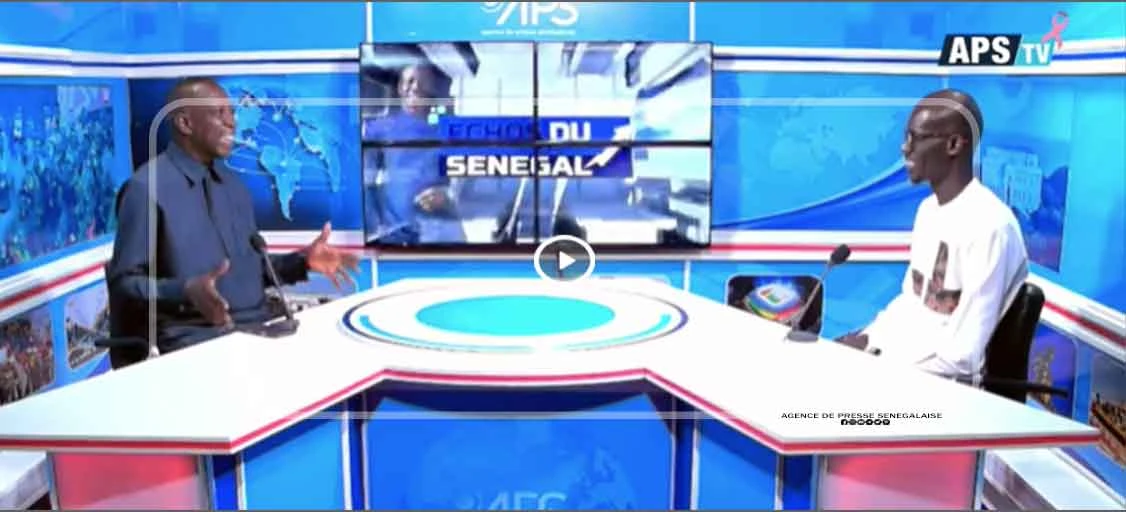
Senegal: Loi De Finances Rectificative 2026-2027 Detailed By Economist
Summary
- Economist Dr. Babacar Gaye provided an in-depth analysis of Senegal's Loi de finances rectificative for 2026 on the program "Échos du Sénégal."
- His discussion covered key budgetary figures, anticipated economic prospects, and opportunities stemming from an agreement involving Senegal.
- The LFR is a legislative tool used to adjust the national budget, potentially introducing new fiscal provisions and reallocating funds.
- Understanding the economic and fiscal implications of the LFR is crucial for strategic planning and ensuring compliance in Senegal.
Expert Insight into Senegal's Fiscal Adjustments
The comprehensive analysis of this revised budget law is therefore critical for maintaining regulatory compliance, mitigating financial risks, and effectively navigating Senegal's evolving economic and fiscal environment.
Economist Dr. Babacar Gaye recently offered a detailed examination of the Loi de finances rectificative 2026, providing critical perspectives on the nation's economic trajectory and fiscal planning. During his appearance on the "Échos du Sénégal" program, Dr. Gaye delved into the fundamental orientations and operational mechanisms underpinning this revised financial legislation, clarifying the government's adjusted fiscal strategy for the upcoming period. His expert analysis is crucial for understanding the nuances of Senegal's economic management.
The discussion specifically highlighted key budgetary figures pertinent to Senegal's financial landscape for the 2026-2027 fiscal years, offering a transparent view of the state's financial commitments and revenue expectations. Furthermore, Dr. Gaye meticulously outlined the anticipated economic prospects for the country during this timeframe, providing valuable insights into potential growth areas, sector-specific developments, and macroeconomic challenges. A significant part of his discourse also focused on the opportunities arising from an agreement involving Senegal, the specifics of which were presented as an integral component of the broader economic outlook.
The Regulatory Framework of Senegal's Revised Budget
A Loi de finances rectificative (LFR) represents a crucial legislative instrument through which a government adjusts its initial annual budget in response to unforeseen economic shifts, emergent national priorities, or significant policy changes. This mid-year or subsequent amendment allows for the reallocation of funds, modification of revenue projections, and the introduction of new spending measures to better align with current realities. The LFR 2026 is therefore a pivotal document for understanding the current fiscal priorities and the specific adjustments made by the Senegalese state to its financial blueprint.
Such a budget rectificatif 2026 is not merely an accounting exercise; it embodies significant implications for Droit fiscal Sénégal 2026-2027. It can introduce changes to existing tax rates, create new levies, or modify current fiscal incentives and exemptions, directly impacting businesses and individuals operating within the country. Analyzing the LFR provides a comprehensive view of the government's updated financial commitments and its evolving approach to managing public resources in light of dynamic national and international economic conditions.
Strategic Economic and Compliance Implications
The insights provided by Dr. Babacar Gaye regarding the Loi de finances rectificative 2026 carry substantial weight for various stakeholders, particularly those in legal and compliance fields advising on operations in the region. Understanding the Implications économiques de la Loi de finances rectificative 2026 is essential for strategic planning, as changes in budgetary allocations can signal shifts in government priorities for specific sectors or regions, directly influencing investment decisions and operational strategies for businesses. This forward-looking analysis helps anticipate regulatory changes and market dynamics.
Moreover, the LFR often introduces Nouvelles dispositions fiscales Sénégal, which necessitate a thorough review by legal professionals and compliance officers to ensure ongoing adherence. These new rules can affect corporate tax obligations, import duties, customs regulations, or other financial statutes, requiring companies to adapt their internal policies and ensure strict adherence to the updated legal framework. The comprehensive analysis of this revised budget law is therefore critical for maintaining regulatory compliance, mitigating financial risks, and effectively navigating Senegal's evolving economic and fiscal environment.
Practical Implications
Lawyers and compliance officers operating in or advising clients on Senegal should analyze the 'Loi de finances rectificative' for 2026-2027 to identify changes in tax policy, budgetary allocations, and economic priorities that could affect corporate compliance, investment planning, and contractual obligations.
Source
Source: Original reporting via APS.
How does this affect you?
Get an AI analysis of this article grounded in your jurisdictions, practice areas, and any policy documents you've uploaded to Wansom.
Finish Reading the Full Story and the Expert Analysis.
Get the latest legal & regulatory intelligence in Senegal
Wansom is AI and can make mistakes.