
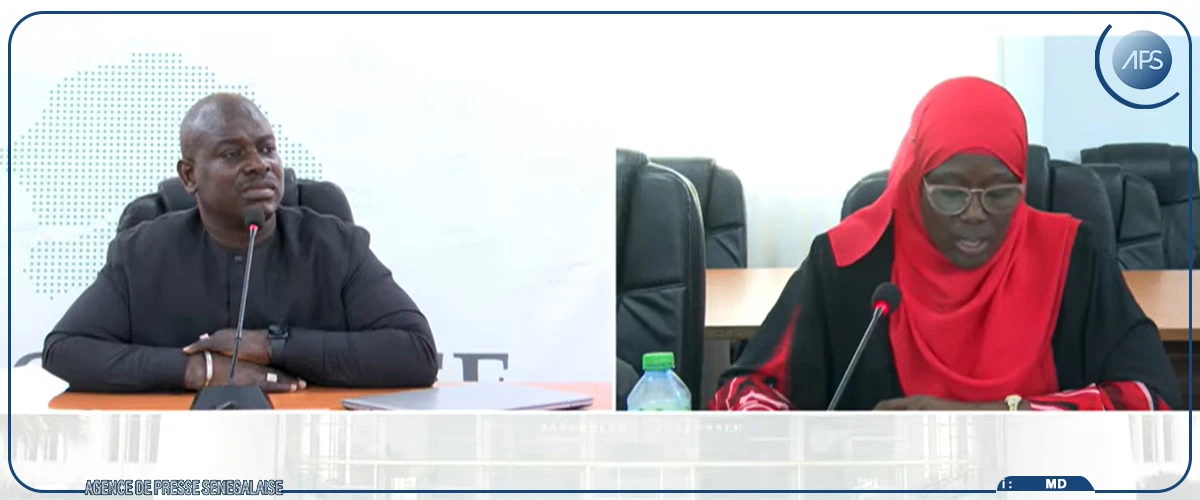
Senegal: Parliament Debates Public Hearings, Transparency vs. Defense Rights
In Senegal, the National Assembly is currently debating the public broadcasting of parliamentary inquiry commission hearings, with discussions ongoing regarding the balance between transparency and the rights of defense.
This significant legal development centers on whether to publicly retransmit the proceedings of parliamentary inquiry commissions, a practice that, while permissible under the Assembly's internal rules with a majority vote, has sparked considerable public and legal debate. Proponents advocate for retransmission as a means to enhance transparency and foster public understanding of critical issues, aligning with principles of open governance. Conversely, opponents raise serious concerns about the potential for such public exposure to prejudice the rights of defense for individuals involved, particularly when sensitive questions are re-examined in a public forum. This tension between transparency and due process is not unique to Senegal, as similar discussions have been reported in France, where legal professionals have also explored the complex interplay between parliamentary oversight and individual rights.
The legal context for this debate is rooted in the National Assembly's internal regulations, which permit retransmission if approved by an absolute majority of the inquiry commission members, while internal deliberations remain confidential. A crucial aspect of the Senegalese framework is Article 57, which provides statutory protection to individuals testifying before a commission, shielding them from defamation, insult, or contempt charges for statements directly related to the inquiry's subject. While this protection aims to encourage candid testimony, it does not fully resolve the concerns regarding the broader impact of public retransmission on an individual's reputation or the fairness of subsequent legal proceedings. The discussion implicitly touches upon fundamental principles of administrative law, criminal procedure, and human rights.
Key parties involved in this ongoing discussion include the Senegalese National Assembly, its various inquiry commissions, individual members of parliament, and legal professionals both within Senegal and internationally. The Agence de Presse Sénégalaise (APS) has reported on the breadth of this debate, highlighting its relevance beyond national borders. The outcome of this specific procedural debate is not yet reported, as it remains an active point of contention within the legislative body.
For legal practitioners, it is imperative to closely monitor the evolving policy on the retransmission of parliamentary hearings. This development could significantly influence strategies for advising clients who may be called to testify before such commissions. Understanding the precise scope and limitations of Article 57's protections is critical, but attorneys must also counsel clients on the potential public perception and reputational risks associated with televised testimonies, even if legally protected. The ongoing nature of this debate suggests a potential for legislative or procedural reforms that could alter the landscape of parliamentary inquiries and their interface with individual rights.
How does this affect you?
Get an AI analysis of this article grounded in your jurisdictions, practice areas, and any policy documents you've uploaded to Wansom.
Finish Reading the Full Story and the Expert Analysis.
Get the latest legal & regulatory intelligence in Senegal
Wansom is AI and can make mistakes.