
Senegalese Civil Society: Issues LFR 2026 Civil Society Alert
Summary
- Around twenty Senegalese civil society organizations have urged the government and National Assembly to consult on the 2026 finance laws.
- Signatories, including Réseau Siggil Jigeen and Afrikajom Center, advocate for dialogue rooted in responsibility and mutual respect.
- They emphasize that resolving disagreements must respect the Constitution, institutional competencies, and the general interest.
- The groups warn that a prolonged blockage could disrupt public services, social program financing, and economic recovery efforts.
- Civil society organizations have offered to contribute to any constructive initiative to resolve the legislative situation.
Civil Society Issues Urgent Call
The organizations warn that a prolonged blockage could affect the continuity of public services, the financing of social programs, and economic recovery efforts.
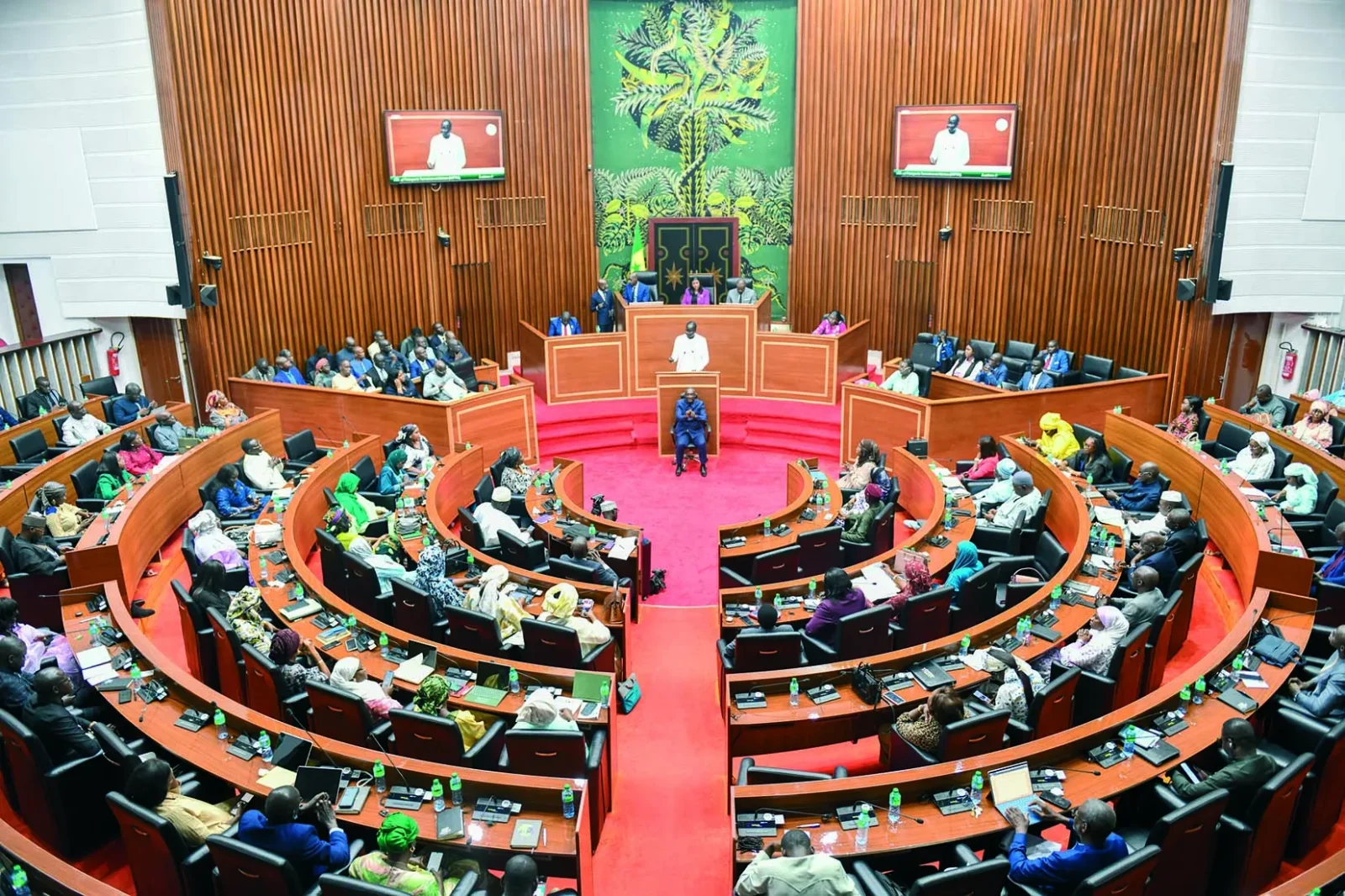
A coalition of approximately twenty Senegalese organizations has issued a pressing appeal to both the government and the National Assembly, urging them to engage in constructive dialogue concerning the nation's finance laws. This collective action, reported by the media outlet *lesoleil*, highlights a significant concern within the civil sector regarding the ongoing legislative process for the Loi de Finances 2026 Senegal.
The communiqué, co-signed by prominent groups such as Réseau Siggil Jigeen, Présence chrétienne, and Afrikajom Center, explicitly advocates for a concerted effort between the two key state institutions. The civil society groups emphasize that their call for consultation is rooted in a commitment to responsibility and mutual respect, aiming to foster a collaborative environment for resolving legislative challenges.
Principles for Democratic Resolution
The signatory organizations acknowledge that disagreements and power dynamics are inherent aspects of a functioning democracy. However, they firmly insist that the resolution of any such conflicts must strictly adhere to the nation's Constitution, respect the distinct competencies of each institution, and ultimately serve the general interest of the Senegalese populace.
This stance underscores a fundamental expectation that political discourse, particularly concerning critical legislation like the Senegal finance laws, should be guided by established legal frameworks and a collective commitment to national welfare. The civil society's intervention seeks to ensure that the legislative process remains robust and legitimate, even amidst political tensions.
Warnings of Prolonged Standoff
The organizations have issued a stark warning regarding the potential repercussions of a prolonged blockage in the legislative process for the LFR 2026. They caution that such a standoff could severely compromise the continuity of essential public services across the country. Furthermore, a protracted delay could jeopardize the financing of crucial social programs, which are vital for the well-being of many citizens.
Beyond public services and social welfare, the civil society groups also highlight the risk to broader economic recovery efforts. A failure to pass the finance laws in a timely manner could introduce significant uncertainty, potentially hindering investments and economic stability at a critical juncture for Senegal. The Senegal LFR 2026 civil society alert thus underscores the far-reaching implications of legislative gridlock.
Offer of Constructive Engagement
In a demonstration of their commitment to finding a resolution, the signatory organizations have expressed their readiness to actively contribute to any constructive initiative aimed at overcoming the current legislative impasse. This offer signals a willingness from civil society to act as a facilitator or a resource in bridging the divide between the government and the National Assembly concerning the finance laws.
Their proactive stance reflects a desire to move beyond mere criticism and to engage practically in safeguarding the nation's legislative integrity and the effective functioning of its institutions. The involvement of groups like Réseau Siggil Jigeen LFR 2026 and Afrikajom Center finance laws underscores the broad base of support for a collaborative solution.
Practical Implications
Lawyers and compliance officers in Senegal should monitor the ongoing dialogue (or lack thereof) between the government and National Assembly regarding the 2026 finance laws. A prolonged blockage could lead to significant disruptions in public services, delayed government payments, and regulatory uncertainty, potentially impacting client operations, contracts, and compliance obligations.
Source
Source: Original reporting via lesoleil
How does this affect you?
Get an AI analysis of this article grounded in your jurisdictions, practice areas, and any policy documents you've uploaded to Wansom.
Wansom is AI and can make mistakes.