
Sénégal LFR 2026 Amendements: Premier Ministre Demande Précisions
Summary
- Prime Minister Ahmadou Al Aminou Lo urged deputies to prioritize dialogue and propose specific amendments for the 2026 Rectified Finance Bill.
- The Prime Minister's call came on Sunday, October 25, ahead of the bill's upcoming parliamentary review.
- The draft projet de loi de finances rectificative Sénégal had previously been rejected by the parliamentary finance committee the preceding Friday.
- The Loi de finances rectificative 2026 Sénégal is a key legislative tool for adjusting the nation's fiscal framework.
- The call for amendments and dialogue institutionnel LFR 2026 suggests the final bill could undergo significant changes, impacting future financial regulations.
Prime Minister Urges Dialogue on LFR 2026
The Prime Minister's call for deputies to privilege dialogue and formulate precise amendments means that the ultimate budgetary provisions, tax regulations, and financial compliance obligations for the 2026 fiscal year are still subject to substantial negotiation and potential revision.
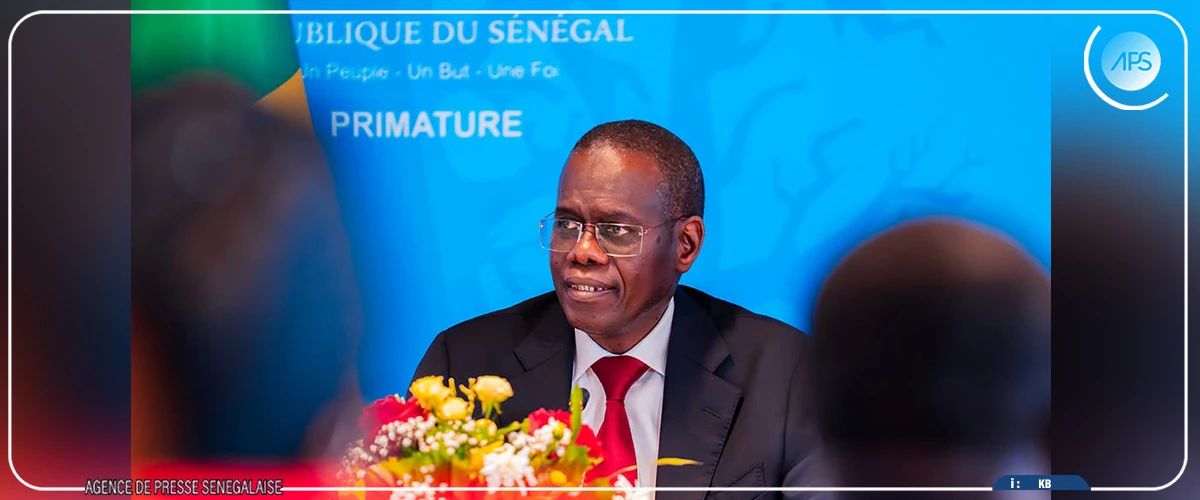
Prime Minister Ahmadou Al Aminou Lo recently urged members of parliament to engage in robust institutional dialogue and to formulate precise amendments concerning the draft Rectified Finance Bill (LFR) 2026. This significant appeal was made on Sunday, October 25, as the legislative body prepares for the upcoming review of this crucial financial document. The Prime Minister's intervention underscores the government's desire for a collaborative approach to shaping the nation's fiscal framework.
This call for constructive engagement comes after a notable setback for the projet de loi de finances rectificative Sénégal. The bill had already faced rejection by the parliamentary finance committee the preceding Friday. This initial refusal by the commission des finances LFR 2026 rejet highlights existing concerns or disagreements within the legislative body regarding the proposed financial adjustments for the 2026 fiscal year. The Prime Minister's statement, therefore, serves as a direct response to this prior rejection, aiming to facilitate a path forward through negotiation and refinement.
Legislative Context of the Rectified Finance Bill
The Loi de finances rectificative 2026 Sénégal is a critical legislative instrument designed to modify the initial annual finance law, typically in response to unforeseen economic shifts or changes in national priorities. Such a bill can introduce new tax measures, reallocate budgetary resources, or adjust spending ceilings, making its contents highly impactful across various sectors of the Senegalese economy. The process involves rigorous scrutiny by parliamentary committees, particularly the finance committee, which plays a pivotal role in evaluating the fiscal implications and overall feasibility of the proposed changes.
The rejection of the Sénégal LFR 2026 amendements Premier ministre by the finance committee indicates that the initial draft did not meet the committee's standards or address their concerns adequately. This procedural step is a common part of democratic legislative processes, allowing for checks and balances on government proposals. It mandates that the bill must undergo further deliberation, potentially incorporating significant revisions before it can proceed for a full parliamentary vote. The committee's decision signals that the proposed financial adjustments required more detailed justification or alteration to gain legislative approval.
Why Dialogue and Amendments are Crucial
The Prime Minister's emphasis on dialogue institutionnel LFR 2026 is particularly significant given the bill's prior rejection. By calling for deputies to propose specific amendments, Ahmadou Al Aminou Lo is encouraging a participatory legislative process, aiming to build consensus around the final version of the LFR 2026. This approach suggests that the government is open to modifying the bill to address the concerns raised by the finance committee and other parliamentary members, rather than pushing through the original draft without changes.
This development holds considerable importance for various stakeholders, including businesses, investors, and citizens, as the final text of the Rectified Finance Bill 2026 could differ significantly from its initial iteration. The Prime Minister's call for deputies to privilege dialogue and formulate precise amendments means that the ultimate budgetary provisions, tax regulations, and financial compliance obligations for the 2026 fiscal year are still subject to substantial negotiation and potential revision. This ongoing legislative process underscores the dynamic nature of fiscal policy formulation in Senegal.
Practical Implications
Lawyers and compliance officers in Senegal should closely monitor the ongoing legislative process for the 2026 Rectified Finance Bill, particularly any proposed amendments, as these will directly impact tax regulations, budgetary provisions, and financial compliance obligations for businesses and individuals. The Prime Minister's call for dialogue suggests the final text may differ significantly from the initial draft.
Source
Source: Original reporting via APS.
How does this affect you?
Get an AI analysis of this article grounded in your jurisdictions, practice areas, and any policy documents you've uploaded to Wansom.
Finish Reading the Full Story and the Expert Analysis.
Get the latest legal & regulatory intelligence in Senegal
Wansom is AI and can make mistakes.