
Senegal Government Issues 27 Directives for 2026-2027 School Year
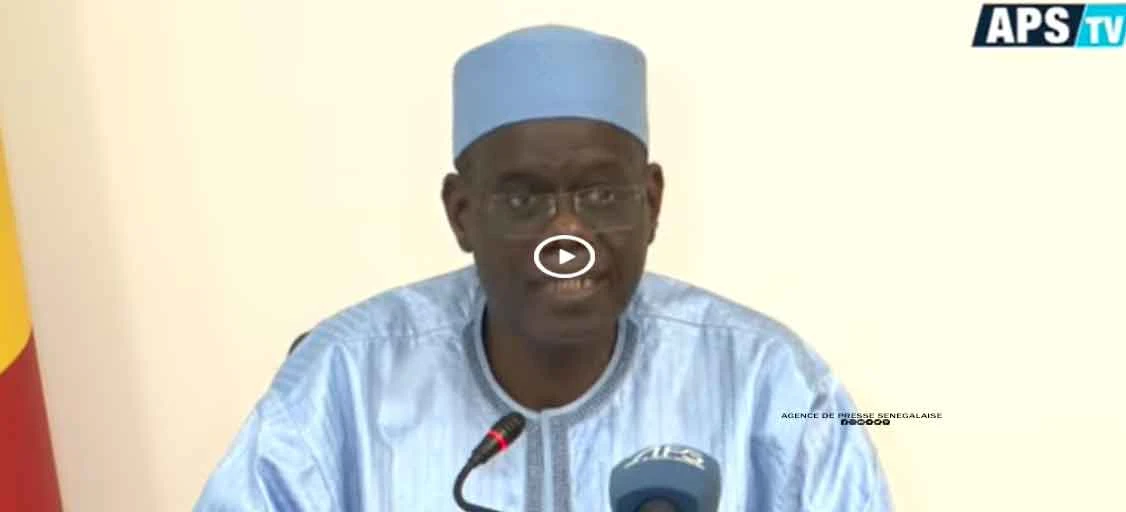
The Senegalese government, led by Prime Minister Ahmadou Al Aminou Lô, recently adopted 27 directives for the 2026-2027 school year during an inter-ministerial council meeting held on a Friday. This proactive measure aims to ensure adequate conditions for reception, security, and learning, while simultaneously advancing the transformation of the national educational system. The directives were formulated as preparations accelerate for the upcoming academic year, signaling a concerted effort by the executive branch to address key challenges in the education sector.
While not a direct legal ruling, these government directives carry significant regulatory implications for various stakeholders. They serve as a clear indication of the executive's policy priorities and are likely to precede or inform the issuance of more formal legal instruments, such as decrees, ministerial orders, or circulars. For legal practitioners, this development suggests potential future regulatory changes or increased enforcement actions, particularly in areas like public procurement for educational resources, infrastructure development, health and safety standards within schools, and curriculum reforms. It also underscores the government's commitment to educational reform, which could influence public-private partnerships and investment opportunities in the sector.
In Senegal, government directives typically derive from the executive branch's constitutional authority to formulate and implement public policy. These directives often lay the groundwork for subsequent formal legal texts, including *décrets* (decrees issued by the President or Prime Minister) and *arrêtés* (ministerial orders), which provide detailed implementation guidelines. The educational system itself is governed by a comprehensive framework, including the Loi d'orientation de l'éducation nationale (National Education Orientation Law) and its various implementing regulations. The inter-ministerial council, as a high-level executive body, plays a crucial role in coordinating government action across different ministries, with the Prime Minister, as head of government, ultimately responsible for the execution of national policy.
The key parties involved in this development are the Senegalese government, specifically the inter-ministerial council chaired by Prime Minister Ahmadou Al Aminou Lô. Other relevant entities include the Ministry of National Education, along with other ministries whose portfolios touch upon aspects such as health, infrastructure, and finance. Local authorities will also be crucial stakeholders, as they are typically responsible for implementing these directives at the regional and municipal levels, ensuring their practical application across the country.
Attorneys advising educational institutions, construction companies, suppliers to the education sector, or non-governmental organizations involved in education should closely monitor the specific content of these 27 directives once they are publicly detailed. Practitioners should anticipate potential new regulations or stricter enforcement of existing ones related to school infrastructure, safety protocols, curriculum adjustments, and procurement processes. Businesses operating in or looking to enter the education sector should proactively review their compliance frameworks and prepare for any new tender opportunities or operational adjustments that may be necessitated by these forthcoming policy implementations.
How does this affect you?
Get an AI analysis of this article grounded in your jurisdictions, practice areas, and any policy documents you've uploaded to Wansom.
Finish Reading the Full Story and the Expert Analysis.
Get the latest legal & regulatory intelligence in Senegal
Wansom is AI and can make mistakes.