
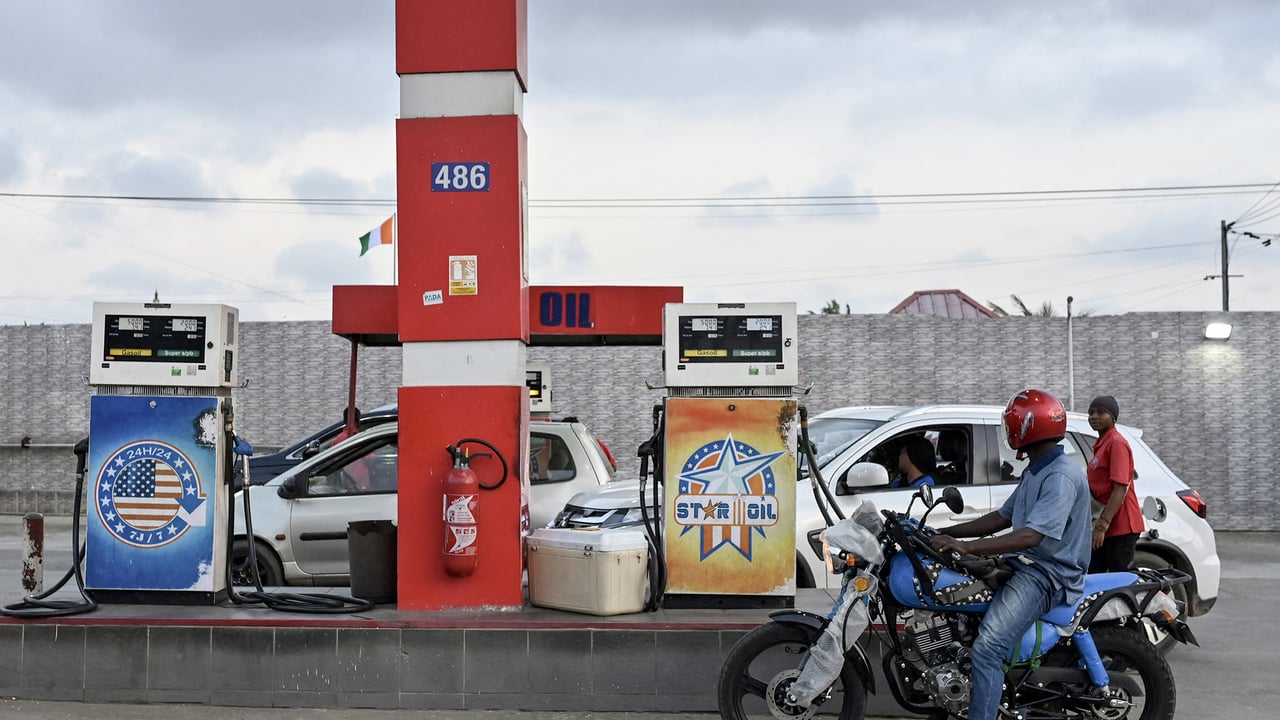
Sénégal: Fuel Price Increase August 2026 Sets New Rates
Summary
- As of August 15, 2026, the price of supercarburant in Sénégal increased to 990 FCFA per liter, and gasoil to 755 FCFA per liter.
- Fuel price differences across West Africa, including between Sénégal, Côte d’Ivoire, and Mali, are influenced by each state's unique taxation, subsidy, and sales cap policies.
- Geopolitical tensions, such as the Middle East conflict and the closure of the Strait of Hormuz, have intensified pressure on global fuel supplies.
- Sénégal's government has allocated 245 billion FCFA in fuel subsidies, with an additional 47.27 billion FCFA planned for the near future.
- Sénégal has recently become an oil and gas producer, utilizing its own energy resources.
Sénégal's Latest Fuel Price Adjustments
Sénégal's government has committed substantial financial resources to mitigate the impact of rising fuel costs, citing 245 billion FCFA in fuel subsidies.
Motorists in Sénégal are now facing higher costs at the pump following a recent adjustment to fuel prices. As of August 15, 2026, the price for a liter of supercarburant has been set at 990 FCFA, while gasoil is now sold at 755 FCFA per liter. This `Sénégal fuel price increase August 2026` reflects a broader trend impacting the nation's energy sector.
These new rates mean that the `Sénégal supercarburant price 990 FCFA` and `Sénégal gasoil price 755 FCFA` are officially in effect across the country. The upward revision of these prices is a direct consequence of the overall increase in pump prices, influencing daily operational costs for businesses and individuals alike. Understanding these changes is crucial for stakeholders navigating the West African economic landscape.
Regional Disparities and Global Pressures
The pricing structure for fuel in Sénégal, when compared to neighboring countries like Côte d’Ivoire and Mali, reveals significant variations stemming from each state's unique policy decisions. These differences are primarily driven by distinct approaches to `Sénégal fuel taxation policy`, the implementation of subsidies, and the application of sales caps, all of which are influenced by available national budgetary margins. Each government in the region employs a different combination of fiscal levies, public support, and price-capping mechanisms to manage consumer costs.
Beyond domestic policies, global geopolitical tensions have exerted considerable pressure on energy markets, contributing to the recent price hikes. Ongoing conflict in the Middle East and the closure of the Strait of Hormuz have particularly strained supply chains, intensifying market volatility. This regional context highlights that countries, whether producers or importers, do not uniformly pass on changes in refined product costs to their consumers, underscoring the complex dynamics of `West Africa energy regulation`.
Sénégal's Evolving Energy Sector and Fiscal Commitments
Sénégal's government has committed substantial financial resources to mitigate the impact of rising fuel costs, citing 245 billion FCFA in `Sénégal fuel subsidies 245 billion FCFA`. A further 47.27 billion FCFA is earmarked for disbursement in the coming weeks, signaling continued state intervention to stabilize prices. These subsidies are a critical component of the nation's economic strategy, aiming to cushion consumers and businesses from the full brunt of market fluctuations.
Adding another layer of complexity to its energy landscape, Sénégal has recently transitioned into an oil and gas producer, leveraging its domestic energy resources. This new status as a producer of hydrocarbons introduces fresh considerations for `Sénégal energy sector legal implications`, particularly concerning future subsidy policies, taxation frameworks, and the overall regulatory environment. The interplay between domestic production, global market forces, and government fiscal policy will continue to shape the cost of fuel in the country.
Practical Implications
Lawyers advising businesses operating in Senegal should assess the impact of these increased fuel prices on operational costs, supply chain contracts, and financial projections. Compliance officers need to monitor the government's evolving fuel subsidy and taxation policies, especially given Senegal's new role as an oil and gas producer, for potential regulatory changes affecting energy-intensive industries.
Source
How does this affect you?
Get an AI analysis of this article grounded in your jurisdictions, practice areas, and any policy documents you've uploaded to Wansom.
Wansom is AI and can make mistakes.