
Sénégal Conseil Constitutionnel: Décision Sur Crédits Spéciaux Validée
Summary
- On August 26, 2026, Senegal's news was dominated by parliamentary reforms and a significant decision from the Constitutional Council.
- The Constitutional Council issued a ruling concerning special credits, impacting public finance management.
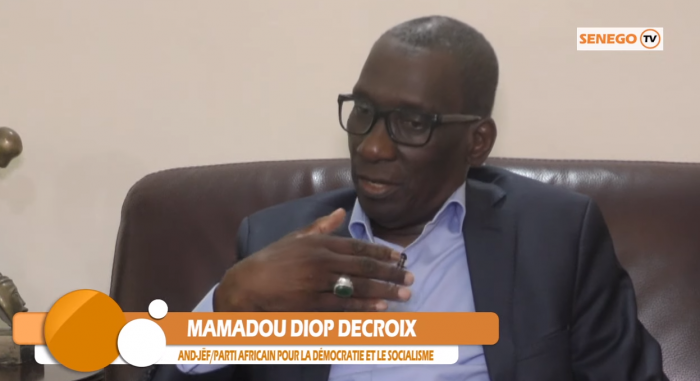
- Discussions included a tribune by Mamadou Diop Decroix and political reactions, notably involving Ousmane Sonko.
- This decision by the Sénégal Conseil constitutionnel on special credits could set a precedent for budgetary compliance and parliamentary powers.
Key Developments in Senegalese Governance
This particular ruling could serve as a benchmark for budgetary compliance and the legality of government spending, impacting future policy decisions and the overall framework of accountability in Senegal.
On Wednesday, August 26, 2026, the political landscape in Senegal was significantly shaped by a series of interconnected events, as reported by Senego's morning update. Dominating the news cycle were extensive discussions surrounding the Parliament and proposed legislative reforms, indicating a period of intense legislative activity and public scrutiny. These debates formed a central point of public discourse, reflecting ongoing efforts to refine the nation's governance structures.
A notable contribution to these discussions came from Mamadou Diop Decroix, whose public tribune added a distinct voice to the ongoing dialogue about parliamentary changes. His intervention underscored the diverse perspectives and active engagement of political figures in shaping the future direction of Senegalese legislative processes. This period of heightened political and parliamentary activity was further marked by a crucial legal development.
The Constitutional Council of Senegal issued a significant decision concerning special credits, a ruling that immediately drew attention within legal and political circles. This pronouncement from the nation's highest constitutional body signaled a critical moment for public finance management and the extent of executive and legislative powers. The Council's involvement in matters of budgetary allocation highlights its pivotal role in upholding constitutional principles related to state finances.
Accompanying these developments was a flurry of political reactions, with particular focus directed towards Ousmane Sonko. The mention of Sonko in the context of these reactions suggests that the unfolding parliamentary reforms, the Constitutional Council's decision on special credits, and the broader political debates were intertwined with prominent political personalities and their respective stances. This confluence of legal, parliamentary, and political events characterized the morning's top stories.
Legal Context: The Constitutional Council and Special Credits
The involvement of the Sénégal Conseil constitutionnel in issuing a decision on special credits underscores its fundamental role in the nation's legal and financial architecture. As the ultimate arbiter of constitutional matters, the Council is tasked with ensuring that all legislative acts, including those pertaining to public finance, adhere strictly to the country's foundational legal framework. Its intervention in budgetary affairs, particularly regarding Décision crédits spéciaux Sénégal, is a testament to its mandate to safeguard the principles of sound financial governance and parliamentary oversight.
Special credits, or crédits spéciaux, typically refer to budgetary allocations made outside the ordinary annual finance law, often for urgent or unforeseen expenditures. While they offer flexibility, their use is usually subject to strict legal conditions to prevent circumvention of parliamentary control over public funds. A ruling by the Constitutional Council on such credits can therefore clarify the boundaries of executive spending power and reinforce the legislature's prerogative in approving state expenditures, directly impacting the integrity of the Loi de finances Sénégal.
This specific decision by the Council on August 26, 2026, positions it at the heart of Contentieux constitutionnel Sénégal concerning public funds. Any determination regarding the legality or constitutionality of special credit allocations carries significant weight, potentially influencing how future government spending is authorized and managed. It reinforces the notion that even in matters requiring rapid financial deployment, constitutional checks and balances must prevail.
Why It Matters: Precedent for Public Finance and Parliamentary Authority
The Constitutional Council's decision on special credits in Senegal holds substantial implications for the future of public finance management and the balance of power between governmental branches. Such a ruling has the potential to establish a critical precedent, guiding how crédits spéciaux are requested, approved, and utilized moving forward. This could lead to enhanced transparency and accountability in the allocation of state resources, fostering greater public trust in financial governance.
Furthermore, this development is directly relevant to the ongoing Réformes parlementaires Sénégal that were a central topic of debate. A robust constitutional interpretation of budgetary powers can empower the Parliament, strengthening its role in scrutinizing government spending and ensuring adherence to the Loi de finances Sénégal. By clarifying the constitutional limits on special credits, the Council effectively reinforces the legislative branch's authority over the national budget, a cornerstone of democratic governance.
The broader political context, including the Ousmane Sonko débats and the tribune by Mamadou Diop Decroix, underscores the high stakes involved. Decisions from the Sénégal Conseil constitutionnel crédits spéciaux are not merely technical legal pronouncements; they are deeply intertwined with the political discourse and the ongoing quest for good governance. This particular ruling could serve as a benchmark for budgetary compliance and the legality of government spending, impacting future policy decisions and the overall framework of accountability in Senegal.
Practical Implications
This decision by the Constitutional Council on special credits in Senegal could set a precedent for public finance management and parliamentary powers. Lawyers should assess its implications for budgetary compliance and the legality of government spending.
Source
Source: Original reporting via Senego
How does this affect you?
Get an AI analysis of this article grounded in your jurisdictions, practice areas, and any policy documents you've uploaded to Wansom.
Wansom is AI and can make mistakes.