
ANSD: Sénégal Extends Visa Statistique to Public Data
Summary
- Abdou Diouf, Director General of ANSD, advocates for expanding quality control of statistical data in Senegal.
- A new law is proposed to extend the "visa statistique" to statistics that influence public debate.
- This expansion would cover statistical productions from private firms and other organizations when publicly discussed.
- The primary goal is to prevent confusion and ensure the reliability of data in public discourse.
- Diouf acknowledges imperfections in the national statistical system and emphasizes the need for continuous reform efforts.
What Happened
The proposed legislative changes aim to extend the 'visa statistique' beyond its current application to solely official statistical operations, encompassing data from private entities and other productions that contribute to public discourse.
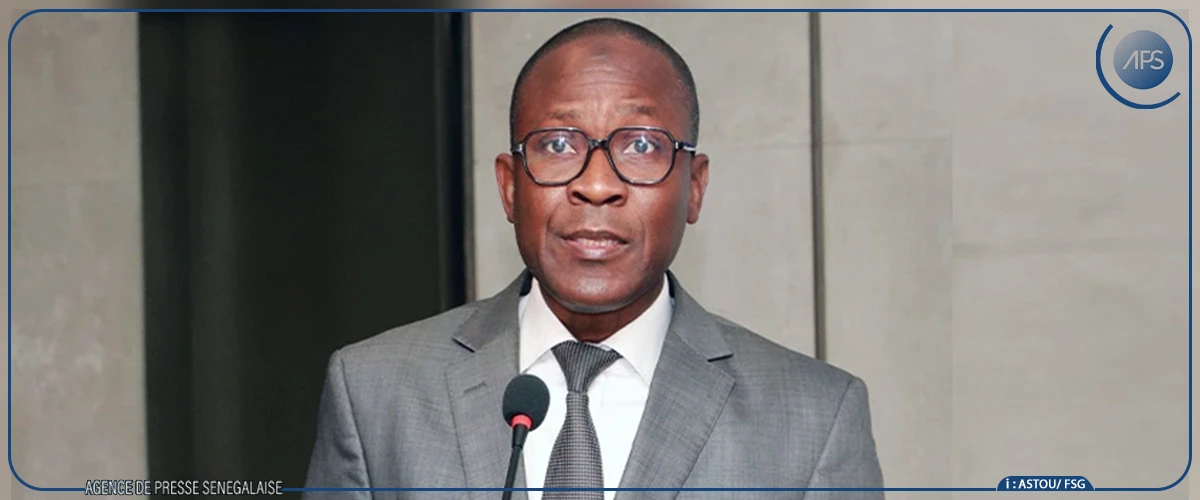
Abdou Diouf, the Director General of the Agence Nationale de la Statistique et de la Démographie (ANSD), has called for a significant enhancement of quality control measures for statistical data that enters public discourse in Senegal. This initiative, articulated during a recent meeting with journalists in Dakar, seeks to broaden the scope of the existing "visa statistique" to cover a wider array of information. The proposed reform is designed to address identified shortcomings within the national statistical production framework.
The core of Diouf's proposal involves a new legislative provision that would extend the "visa statistique" beyond its current application to solely official statistical operations. This expansion would specifically target statistical productions originating from private firms or other organizations, particularly when such data is likely to influence public debate. The objective, as stated by Diouf, is to prevent "amalgams" or confusion arising from potentially unchecked statistical information.
This discussion took place on Tuesday, October 13, and was reported by the Agence de Presse Sénégalaise (APS). Diouf acknowledged that while previous reforms have brought about notable progress in the statistical system, continuous efforts are essential to meet emerging challenges. He emphasized that existing evaluations and recommendations offer valuable insights that can contribute to elevating the overall quality of data available to the public.
Legal and Regulatory Context
Currently, the "visa statistique" primarily regulates official statistical operations, serving as a mechanism for quality assurance within government-produced data. The proposed legislative changes aim to extend the 'visa statistique' beyond its current application to solely official statistical operations, encompassing data from private entities and other productions that contribute to public discourse. This move signifies a shift towards more comprehensive oversight of data disseminated publicly.
The envisioned legal change would specifically mandate quality control for surveys and other statistical findings once they are made public, irrespective of their origin. This expansion is a direct response to the growing volume and diversity of statistical information that shapes public opinion and policy discussions. The ANSD, under Abdou Diouf, seeks to ensure that all data contributing to the public sphere meets rigorous standards of accuracy and methodology.
This reform effort is underpinned by a recognition of imperfections within the national apparatus responsible for statistical production. Despite acknowledging the advancements made through prior reforms, Diouf stressed the ongoing necessity for improvement. The proposed extension of the *contrôle qualité statistiques Sénégal* is therefore presented as a crucial step in adapting the regulatory framework to contemporary data challenges and ensuring the integrity of public information.
Implications for Public Data
The expansion of the "visa statistique" holds significant implications for the integrity of *données débat public régulation* in Senegal. By subjecting a wider range of statistical data, including that from *organismes privés statistiques Sénégal*, to official quality control, the ANSD aims to foster a more informed and less susceptible public discourse. The primary motivation is to prevent the spread of potentially misleading or poorly substantiated statistics that could distort public understanding or policy decisions.
This initiative underscores the importance of reliable data in a democratic society, particularly as the volume of information from diverse sources continues to grow. The move to regulate statistical productions from private entities, when they are poised to impact public debate, highlights a proactive approach to maintaining data credibility. It suggests a recognition that the influence of non-official statistics can be as profound as that of government-generated figures.
Ultimately, the proposed reform seeks to leverage existing expertise and recommendations to enhance the overall quality of statistical data. Abdou Diouf's advocacy for this measure reflects a commitment to continuous improvement within Senegal's statistical ecosystem, ensuring that all data contributing to the public sphere is robust, transparent, and free from "amalgams." This regulatory evolution is crucial for building trust in statistical information and supporting evidence-based decision-making.
Practical Implications
Lawyers and compliance officers advising private entities that produce or publish statistical data in Senegal should monitor the proposed legislative changes regarding the 'visa statistique'. If enacted, this could impose new quality control requirements and regulatory oversight by ANSD on their publicly disseminated data, potentially impacting methodology, disclosure, and liability.
Source
Source: Original reporting via APS
How does this affect you?
Get an AI analysis of this article grounded in your jurisdictions, practice areas, and any policy documents you've uploaded to Wansom.
Finish Reading the Full Story and the Expert Analysis.
Get the latest legal & regulatory intelligence in Senegal
Wansom is AI and can make mistakes.