
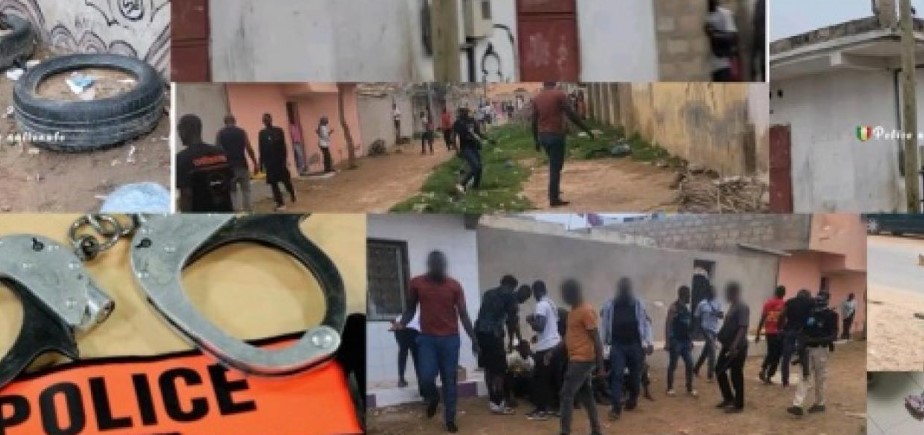
Senegal: Drug Trafficking Arrest Sparks Clashes in Grand-Yoff
On Monday, October 26, 2026, in Grand-Yoff, Senegal, the attempted arrest of an individual suspected of drug trafficking led to violent clashes between police and local youth, resulting in a police officer sustaining minor injuries from a thrown stone.
This incident highlights the persistent challenges faced by law enforcement in Senegal when combating drug-related offenses, particularly in urban areas, and underscores the potential for public resistance to police operations, raising questions about public order, police conduct, and community relations. Such confrontations can escalate quickly, posing significant risks to both law enforcement personnel and civilians, and often lead to broader societal discussions on policing strategies and community trust.
The legal framework governing drug offenses in Senegal is primarily found in the Code des Drogues (Law No. 97-18 of December 1, 1997, on the repression of illicit drug trafficking), which criminalizes the offer, cession, production, and trafficking of substances like "chanvre indien" (cannabis). The Code de Procédure Pénale outlines the powers of law enforcement, including arrest procedures, while the Code Pénal addresses offenses against public order, such as rebellion and assault on public officials. The incident also touches upon the broader issues of police powers, the right to resist unlawful arrest (though resistance to a lawful arrest is an offense), and the use of force by both citizens and law enforcement, all of which are subject to judicial interpretation and public scrutiny.
The key parties involved are the Senegalese police force, particularly those on patrol in Grand-Yoff; the individual suspected of drug trafficking; the local youth from the Djiddah neighborhood who engaged in confrontations; and the unnamed police officer who was injured. The judicial system, including prosecutors and courts, would become involved in prosecuting the suspect and any individuals involved in the assault on the officer, potentially leading to charges under the aforementioned codes.
Attorneys practicing criminal law in Senegal should closely monitor developments in this case, particularly regarding the charges brought against the suspected drug trafficker and any individuals involved in the assault on the police officer, as it may set precedents or clarify judicial interpretations concerning public order offenses, police powers, and community resistance. Businesses operating in areas prone to such incidents should be aware of potential disruptions and security risks, while legal professionals advising on public safety and law enforcement policy might consider the implications for police training, community engagement strategies, and the enforcement of drug laws. The outcome of this matter, including any arrests or prosecutions related to the confrontations, is not yet reported.
How does this affect you?
Get an AI analysis of this article grounded in your jurisdictions, practice areas, and any policy documents you've uploaded to Wansom.
Finish Reading the Full Story and the Expert Analysis.
Wansom is AI and can make mistakes.