
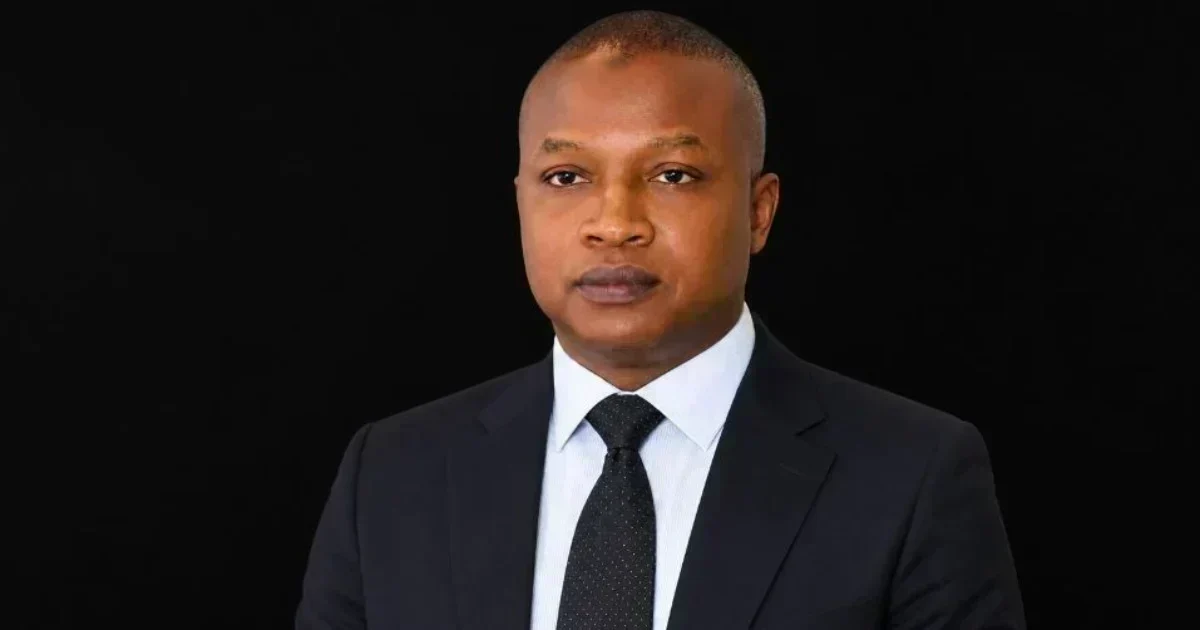
Senegal: Diomaye Faye Secures $2.2 Billion IMF Agreement
Summary
- Senegal has reached a staff-level agreement with the IMF for a 36-month program worth approximately $2.2 billion, concluded on September 1, 2026.
- This accord follows a period where a previous $1.8 billion IMF program was suspended due to the discovery of over $11 billion in undeclared debt, with public debt reaching 132% of GDP by late 2024.
- President Bassirou Diomaye Faye's administration adopted a new strategy, prioritizing financial data reliability and state credibility before negotiating the agreement.
- The current government views the IMF program not as an abandonment of sovereignty, but as a strategic choice to manage financial constraints and uphold national credibility.
- Despite the agreement, the economic outlook remains tense, with the IMF revising Senegal's 2026 growth forecast downwards to 2.2%.
What Happened
This new perspective redefines sovereignty not as self-sufficiency or a rejection of all external assistance, but as the state's fundamental capacity to meet its financial obligations, effectively manage its accounts, and safeguard its international credibility.
Senegal has reached a staff-level agreement with the International Monetary Fund (IMF) for a new 36-month program valued at approximately $2.2 billion. This significant development, concluded on September 1, 2026, follows an intensive IMF mission to Dakar led by Mercedes Vera Martin, which took place from August 19 to September 1, 2026. The proposed program now awaits formal approval from the IMF's Executive Board.
This accord marks a notable shift in the nation's financial strategy under President Bassirou Diomaye Faye. For an extended period, Senegal had often framed its national sovereignty as being in opposition to engaging with international financial institutions like the IMF. However, the new agreement underscores a re-prioritization of financial constraints within the national discourse.
The Path to Fiscal Realignment
The current agreement stands in stark contrast to previous government positions and financial realities. In August 2025, then-Prime Minister Ousmane Sonko publicly declared that “Senegal does not need the IMF” and asserted that the country “no longer expects anything from anyone.” His administration had aimed to fund national projects primarily through domestic resources and to reduce reliance on external borrowing.
However, this approach encountered significant hurdles, including substantial financing requirements, a heavy national debt burden, and increasingly expensive access to international markets. A prior $1.8 billion program with the IMF had been suspended following the discovery of over $11 billion in undeclared debt. By the close of 2024, Senegal's public debt had escalated to approximately 132% of its Gross Domestic Product, highlighting the severe fiscal challenges.
A New Approach to Sovereignty
Under the leadership of President Bassirou Diomaye Faye and his economic team, including Minister of Economy, Finance and Planning Cheikh Diba, Senegal has adopted a distinct methodology. This administration prioritized enhancing the reliability of financial data and restoring the state's credibility before entering into negotiations that ultimately led to the Diomaye Faye IMF agreement Senegal. Commentators like Ndiamé Sakho view this period as the culmination of an era where political slogans frequently overshadowed critical financial concerns such as deficits, debt maturities, interest rates, and investor confidence.
This new perspective redefines sovereignty not as self-sufficiency or a rejection of all external assistance, but as the state's fundamental capacity to meet its financial obligations, effectively manage its accounts, and safeguard its international credibility. Consequently, accepting an IMF program is framed not as an abandonment of national autonomy, but rather as a strategic choice regarding the financial parameters the country is prepared to embrace.
Economic Outlook
Despite the recent agreement, the economic outlook for Senegal remains challenging. The IMF has already revised its growth forecast for the nation downwards to 2.2% for 2026. This underscores the ongoing need for prudent fiscal management and the successful implementation of the new 36-month program to navigate the country's financial landscape effectively. The Diomaye Faye IMF agreement Senegal is therefore a critical step in addressing these persistent economic pressures.
Source
How does this affect you?
Get an AI analysis of this article grounded in your jurisdictions, practice areas, and any policy documents you've uploaded to Wansom.
Finish Reading the Full Story and the Expert Analysis.
Wansom is AI and can make mistakes.