
Sénégal: Diomaye LFR 2026 Rejected, Article 86 Powers Eyed
Summary
- Senegal's National Assembly recently rejected the 2026 Rectified Finance Bill (LFR).
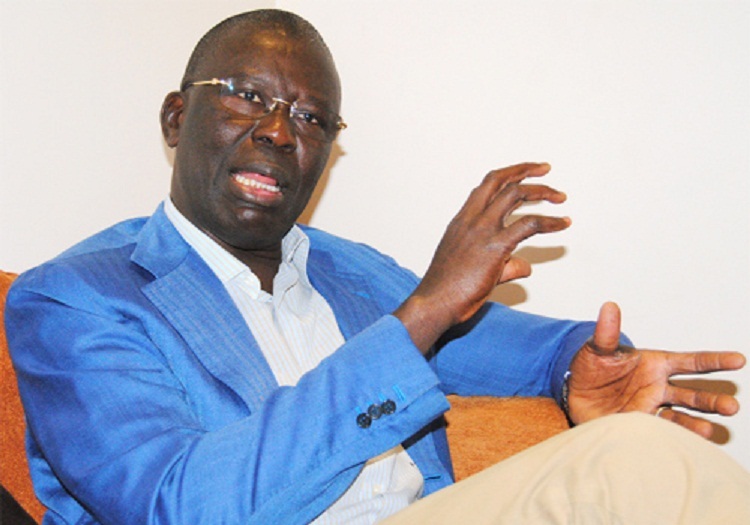
- Babacar Guèye, a former deputy and parliamentary affairs specialist, indicated the President has constitutional options to advance the bill, including a second reading.
- These options include potential recourse to Article 86 of the Constitution and the use of *décrets d'avance*.
- Such presidential powers could allow the executive to implement financial provisions despite legislative opposition.
What Happened
The potential use of these presidential powers in Sénégal highlights a dynamic tension between the executive and legislative branches regarding fiscal authority.
The National Assembly in Senegal recently rejected the proposed 2026 Rectified Finance Bill (LFR), a significant legislative development. This decision by the parliamentary body has prompted discussions regarding the executive branch's available constitutional avenues to proceed with the financial provisions outlined in the bill. Following this rejection, Babacar Guèye, a former deputy and parliamentary affairs specialist, highlighted that the President of the Republic retains several constitutional mechanisms to advance the legislative text despite the initial parliamentary setback.
Guèye specifically pointed to the possibility of a second reading of the bill within the National Assembly. This procedural step would allow for another review and vote on the proposed legislation. However, he also underscored more direct presidential powers that could be invoked, suggesting alternative routes should the legislative impasse persist. The rejection of the Loi de finances rectificative 2026 by the Senegalese parliament sets the stage for a potential exercise of these executive prerogatives.
Constitutional Pathways for the Executive
In light of the National Assembly's decision, the President's constitutional options become a focal point. Babacar Guèye, a former deputy and parliamentary affairs specialist, specifically mentioned the potential recourse to Article 86 of the Constitution sénégalaise. This article grants the President certain powers that could be utilized to implement financial measures even without immediate legislative approval. The precise scope and conditions for invoking Article 86 would dictate how the executive could proceed with the provisions of the rejected LFR 2026.
Beyond Article 86, the concept of *décrets d'avance* in Sénégal also presents a mechanism for the executive to enact financial provisions. These advance decrees allow the government to authorize expenditures or revenue collection in anticipation of a finance law, under specific circumstances, particularly in cases of urgency and imperative national interest. The interplay between these constitutional provisions and the legislative process is crucial, especially when a major financial bill like the Rectified Finance Bill 2026 faces parliamentary opposition. These powers underscore the significant prérogatives available to the President in managing the nation's finances.
Why It Matters
The availability of constitutional options such as Article 86 and *décrets d'avance* following the rejection of the 2026 Rectified Finance Bill has profound implications for governance in Senegal. These mechanisms provide the President with means to ensure the continuity of state functions and the implementation of essential financial policies, even when faced with legislative dissent. The exercise of these powers, as noted by Babacar Guèye, a former deputy and parliamentary affairs specialist, could allow the executive to bypass a prolonged legislative process, ensuring that critical budgetary adjustments or new financial directives are put into effect.
The potential use of these presidential powers in Sénégal highlights a dynamic tension between the executive and legislative branches regarding fiscal authority. While parliamentary approval is typically sought for finance bills, the existence of Article 86 and *décrets d'avance* offers alternative pathways for the executive to implement financial provisions. This situation underscores the robust nature of presidential powers in Senegal, particularly concerning the nation's budget and economic direction, and will be closely watched by observers of the country's political landscape.
Practical Implications
Lawyers and compliance officers in Senegal should closely monitor the executive's potential use of Article 86 of the Constitution or 'décrets d'avance' following the rejection of the 2026 Rectified Finance Bill. This could lead to the implementation of financial provisions without full legislative approval, necessitating a review of client exposure to budgetary changes or public finance regulations that might be enacted via these alternative constitutional mechanisms.
Source
How does this affect you?
Get an AI analysis of this article grounded in your jurisdictions, practice areas, and any policy documents you've uploaded to Wansom.
Wansom is AI and can make mistakes.