
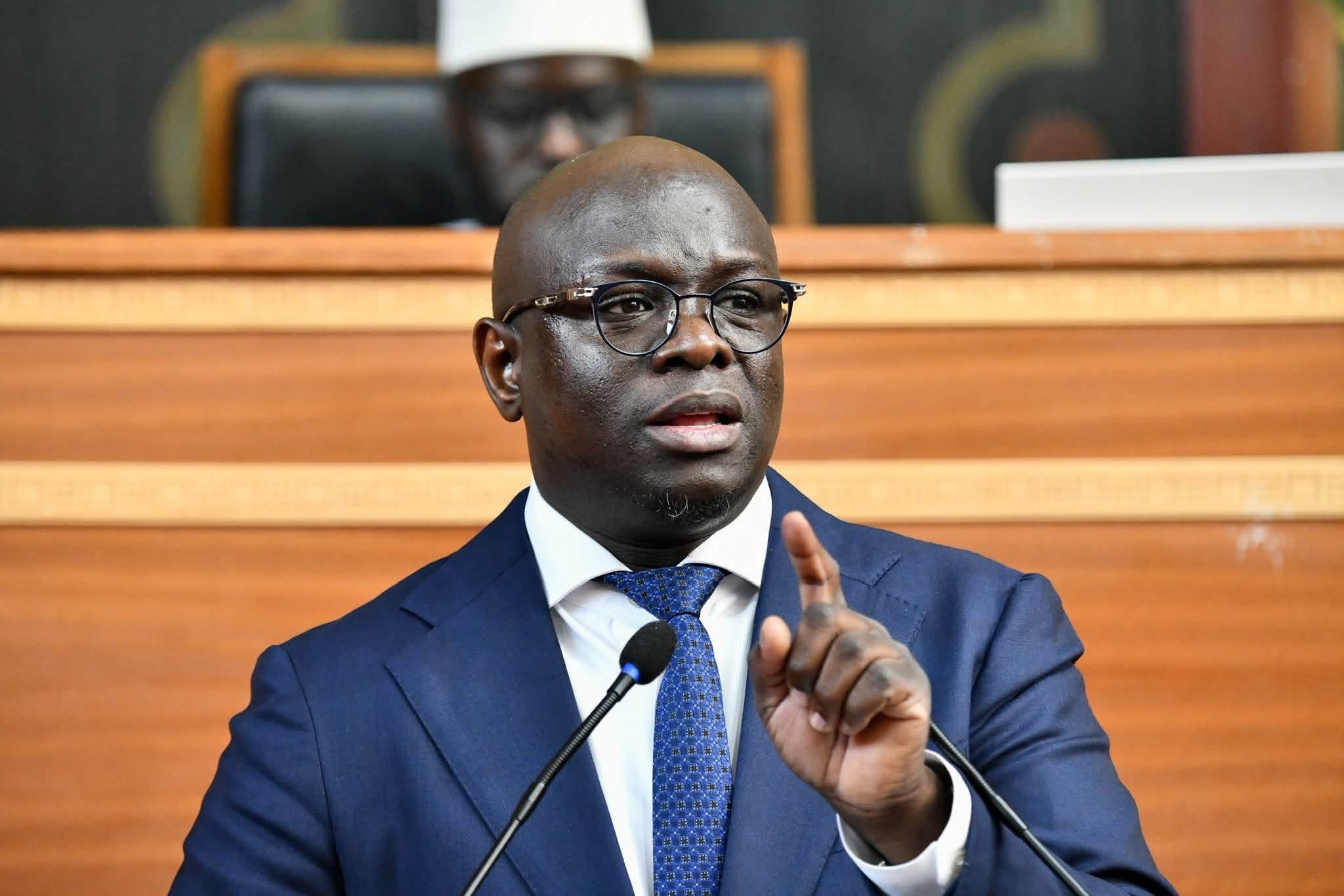
Sénégal Commission Finances: Rejet 2027 Budgets, Revenue Forecasts
Summary
- On November 7, 2026, Senegal's National Assembly Finance Commission rejected the 2027 budget's revenue forecasts.
- Budgets for the Presidency, National Assembly, Supreme Court, Constitutional Council, and Court of Auditors were also rejected.
- Provisions related to public debt faced rejection by the commission as well.
- Two days prior, the Commission's president, Alphonse Mané Sambou, requested the initial finance bill's withdrawal due to a technical inconsistency.
- The proposed 2027 budget projected 6,012.1 billion FCFA in revenues and 7,363.7 billion FCFA in expenditures, with a 4.7% deficit.
Key Budgets Rejected by Finance Commission
For legal professionals advising clients with interests in Senegal, these developments signal potential instability in government financial planning.
On Saturday, November 7, 2026, the Senegalese National Assembly's Commission des finances et du contrôle budgétaire reportedly rejected, by majority vote, the revenue forecasts for the 2027 budget. This significant decision also encompassed the rejection of the proposed budgets for five critical state institutions, signaling a potential challenge to the government's financial planning for the upcoming year.
The institutions whose budgets faced rejection include the Présidence de la République, the Assemblée nationale itself, the Cour suprême, the Conseil constitutionnel, and the Cour des comptes. In a further development, provisions related to public debt also reportedly met the same fate during the commission's review. This collective rejection impacts a broad spectrum of governmental operations and financial obligations, underscoring the rigorous scrutiny applied by the legislative body.
Just two days prior to these rejections, on November 5, 2026, Alphonse Mané Sambou, who chairs the Commission des Finances et du Contrôle budgétaire, had requested the optional withdrawal of the initial finance bill project. His rationale for this request was based on an identified technical inconsistency within the proposed legislation. The rejections and the prior request highlight a period of intense legislative oversight concerning the nation's financial blueprint.
Financial Framework and Legislative Scrutiny
The proposed 2027 budget outlined total revenues of 6,012.1 billion FCFA and projected expenditures amounting to 7,363.7 billion FCFA. These figures were expected to result in a budget deficit of 4.7 percent, a notable decrease from the 7.6 percent deficit recorded in 2026. The Commission's rejection of the revenue forecasts directly challenges the foundational assumptions of this financial plan, necessitating a re-evaluation of how the government intends to fund its operations and manage its fiscal health.
The scrutiny by the Commission des finances et du contrôle budgétaire, particularly under the leadership of Alphonse Mané Sambou, underscores the legislative branch's role in ensuring fiscal responsibility and transparency. The identification of a "technical inconsistency" in the initial finance bill project, leading to a request for its optional withdrawal, suggests a detailed examination of the budget's underlying mechanics and projections. Such actions are crucial for maintaining checks and balances within the government's financial management system.
The rejection of the `projet loi finances initiale Sénégal` components, including the revenue forecasts and specific institutional budgets, indicates that the Commission found significant issues that could not be overlooked. This level of legislative pushback on core financial documents is a critical aspect of democratic governance, ensuring that public funds are allocated and managed in accordance with established legal and economic principles.
Implications for Governance and Economic Predictability
The rejection of budgets for key institutions, including the `rejet budget Présidence République Sénégal`, `Assemblée Nationale Sénégal budget 2027`, and `Cour suprême Sénégal budget rejet`, along with the `dette publique Sénégal rejet commission`, carries substantial implications for the stability and operational continuity of the Senegalese government. Such a broad rejection could lead to delays in financial allocations, potentially impacting the functioning of these vital state bodies and their ability to execute planned programs and services.
For legal professionals advising clients with interests in Senegal, these developments signal potential instability in government financial planning. The uncertainty surrounding the approval of the 2027 budget, particularly after the `Sénégal Commission Finances rejet budgets 2027`, could affect public contracts, project financing, and overall economic predictability. Lawyers should closely monitor the legislative process and advise clients to review their exposure and strategic planning in light of these budgetary challenges.
Despite the rejections, the examination of the budget is not concluded. Reports indicate that the review was scheduled to resume later on the same day, at 5:30 PM, suggesting an ongoing effort to resolve the identified issues and move forward with the legislative process. The outcome of these continued deliberations will be crucial in determining the final shape of Senegal's 2027 financial framework and its broader impact on the nation's governance and economic landscape.
Practical Implications
Lawyers advising clients with interests in Senegal should closely monitor the legislative process following the rejection of key institutional budgets and public debt provisions. This development signals potential instability in government financial planning and could impact public contracts, project financing, and overall economic predictability, necessitating a review of client exposure and strategic planning.
Source
Source: Original reporting via Senegal7
How does this affect you?
Get an AI analysis of this article grounded in your jurisdictions, practice areas, and any policy documents you've uploaded to Wansom.
Wansom is AI and can make mistakes.