
Sénégal Gouvernement: Code Pétrolier Renvoi Conseil Constitutionnel Inadmissibilité
Summary
- The Senegalese government referred a proposed amendment to the 2019 Petroleum Code to the Constitutional Council.
- This action seeks to declare the Sénégal proposition loi pétrolier Pastef inadmissible, causing its parliamentary examination to be postponed.
- The proposed law, n°37/2026, aimed to enhance transparency by requiring petroleum contracts to be presented to the National Assembly before presidential signature.
- The referral underscores a broader political struggle over parliamentary oversight and transparency in government actions.
- The Constitutional Council's upcoming ruling will significantly influence the regulatory framework for Senegal's oil and gas sector.
Legislative Standoff in Senegal's Petroleum Sector
This legal challenge signals significant legislative uncertainty for Senegal's petroleum sector.
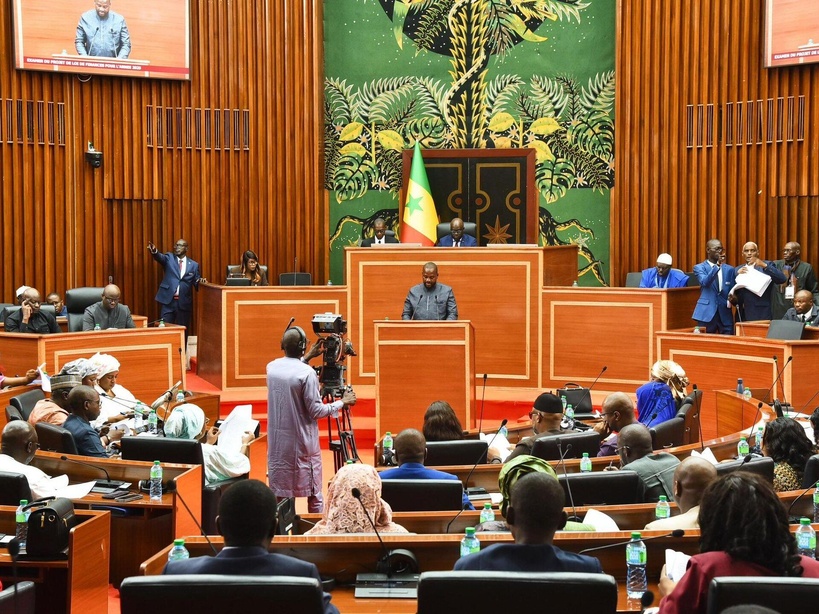
The Senegalese government has formally referred a proposed amendment to the nation's petroleum legislation to the Constitutional Council, seeking to have the bill declared inadmissible. This significant move, announced on Tuesday, September 29, by Ismaïla Diallo, a deputy of the National Assembly, has led to the postponement of the plenary session where the text was scheduled for examination. The proposed law, identified as n°37/2026, aims to introduce modifications to the existing 2019 Petroleum Code.
The referral of the Sénégal proposition loi pétrolier Pastef to the Constitutional Council underscores a broader political dynamic concerning parliamentary oversight of governmental actions. The plenary session for the proposed legislation, which was initially set for 3 PM GMT, was indefinitely delayed following the government's intervention. This development occurred during a period when the Assembly was also reviewing a separate bill concerning the ECOWAS biometric identity card law, highlighting a busy legislative agenda marked by contention.
Proposed Reforms and Transparency Demands
The proposed changes to the Code pétrolier 2019 modification Sénégal originate from the Pastef political party, which has been vocal about enhancing transparency and accountability within the energy sector. Following the review of extraordinary session texts by a parliamentary commission, Pastef deputies expressed strong dissatisfaction over the rejection of several of their legislative initiatives. These proposals spanned various critical areas, including mental health provisions in prisons, the management of special funds, and, crucially, the oversight of petroleum contracts.
Specifically concerning the Transparence contrats pétroliers Sénégal, Pastef's proposition stipulated that all petroleum contracts should be presented to the National Assembly prior to their final signature by the President of the Republic. It is important to note that while this measure sought greater parliamentary insight, it did not grant deputies the power to either approve or reject these agreements. Furthermore, Amadou Ba, a prominent figure, publicly accused the government of failing to uphold transparency standards regarding the use of special funds, linking this to the broader struggle for legislative accountability.
Constitutional Review and Future Regulatory Landscape
The government's decision to seek a declaration of Irrecevabilité loi pétrolière Sénégal from the Constitutional Council introduces a critical legal dimension to the ongoing debate. This strategic Sénégal Code pétrolier renvoi Conseil constitutionnel aims to block the proposed amendments on procedural or substantive grounds, thereby maintaining the integrity of the current 2019 Petroleum Code. The Constitutional Council's impending decision will be pivotal, as it will determine the legal viability of Pastef's efforts to reform the sector.
This legal challenge signals significant legislative uncertainty for Senegal's petroleum sector. The outcome will directly impact the regulatory framework governing oil and gas contracts and the requirements for transparency within the industry. Legal professionals and compliance officers advising energy companies operating or looking to invest in Senegal must closely monitor the Constitutional Council's ruling, as it will shape the future landscape for energy agreements and governmental oversight in the nation.
Practical Implications
This development signals significant legislative uncertainty for Senegal's petroleum sector. Lawyers and compliance officers advising energy companies must closely monitor the Constitutional Council's decision on the proposed Petroleum Code amendment, as its ruling will directly impact the regulatory framework for oil and gas contracts and transparency requirements.
Source
How does this affect you?
Get an AI analysis of this article grounded in your jurisdictions, practice areas, and any policy documents you've uploaded to Wansom.
Finish Reading the Full Story and the Expert Analysis.
Get the latest legal & regulatory intelligence in Senegal
Wansom is AI and can make mistakes.