
Senegal Civil Society Warns on Prolonged Blockage of 2026 Amended Finance Law
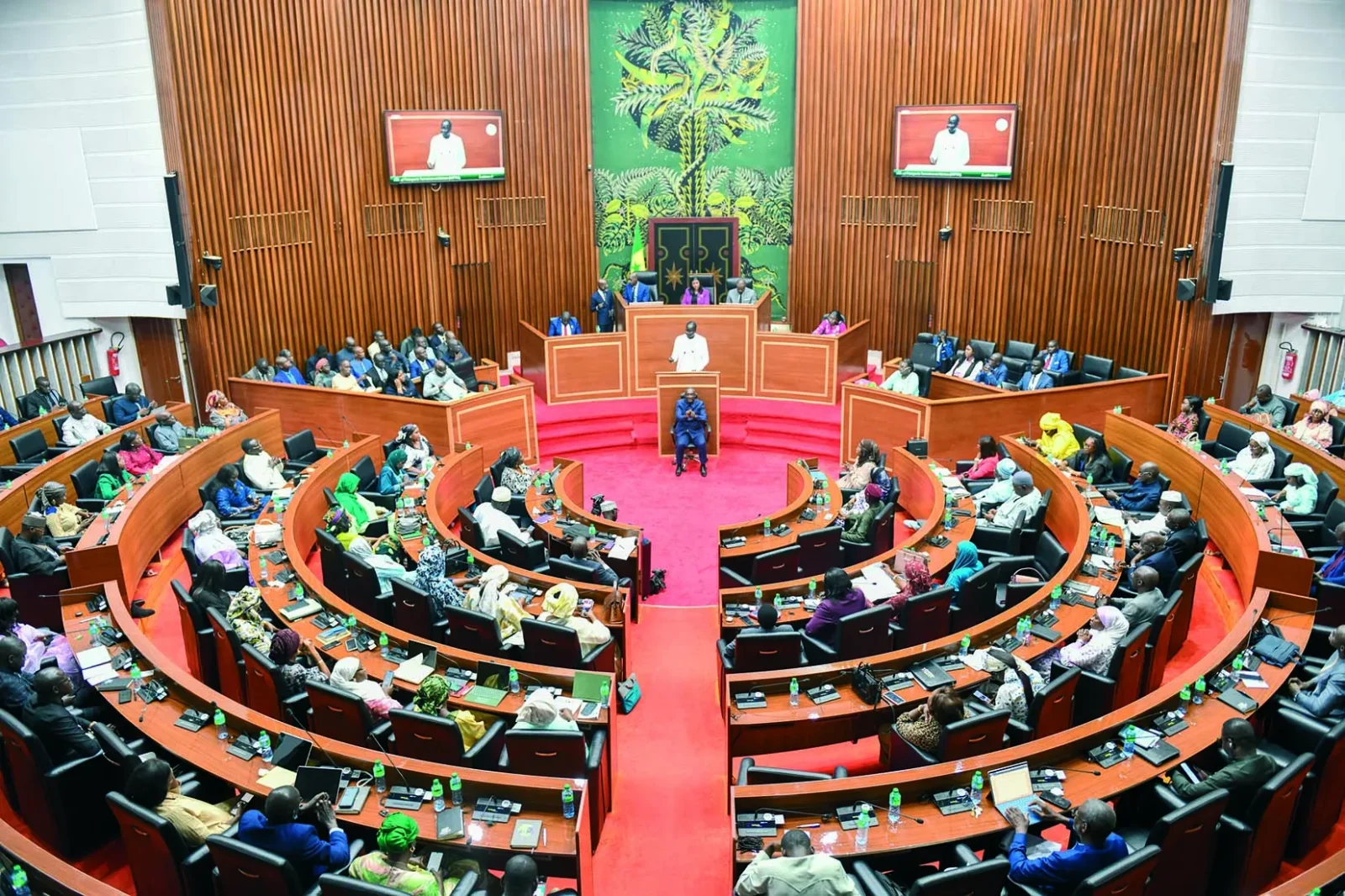
In Senegal, a coalition of approximately twenty civil society organizations, including Réseau Siggil Jigeen, Présence chrétienne, and Afrikajom Center, has urged the government and the National Assembly to engage in dialogue regarding the 2026 Rectifying Finance Law (LFR 2026), warning of potential negative impacts from a prolonged legislative deadlock.
This collective appeal underscores the critical role of civil society in advocating for good governance and legislative stability, particularly concerning national budgetary processes. A prolonged blockage of the LFR 2026 could disrupt essential public services, impede the implementation of social programs, and hinder economic recovery efforts, directly affecting the populace and the country's fiscal health. The organizations' intervention highlights the importance of inter-institutional cooperation for national development.
The Rectifying Finance Law (LFR) is a crucial legislative instrument that amends the initial finance law (LFI) during the fiscal year, typically to adjust to new economic realities or unforeseen expenditures. Its timely approval is essential for the proper functioning of the state budget and for ensuring financial predictability. The call for dialogue emphasizes the constitutional separation of powers between the executive (government) and the legislative (National Assembly) branches, and the imperative of their collaboration in budgetary matters. The organizations stress adherence to the Constitution and institutional competencies in resolving disagreements, reminding all parties that while disagreements are part of democracy, their resolution must respect legal frameworks and the general interest.
The key parties involved are the Senegalese government, the National Assembly, and a significant coalition of civil society organizations, including prominent groups like Réseau Siggil Jigeen, Présence chrétienne, and Afrikajom Center. Their collective voice aims to influence the legislative process and prevent adverse consequences for the nation.
Legal professionals advising government entities, parliamentary bodies, or businesses reliant on public sector stability should closely monitor the resolution of this legislative impasse. The outcome will significantly impact the predictability of public spending, the execution of government contracts, and the overall economic environment. Attorneys involved in public law or legislative affairs may find this a significant case study in inter-institutional relations and the growing influence of civil society advocacy in national policy-making.
How does this affect you?
Get an AI analysis of this article grounded in your jurisdictions, practice areas, and any policy documents you've uploaded to Wansom.
Wansom is AI and can make mistakes.