
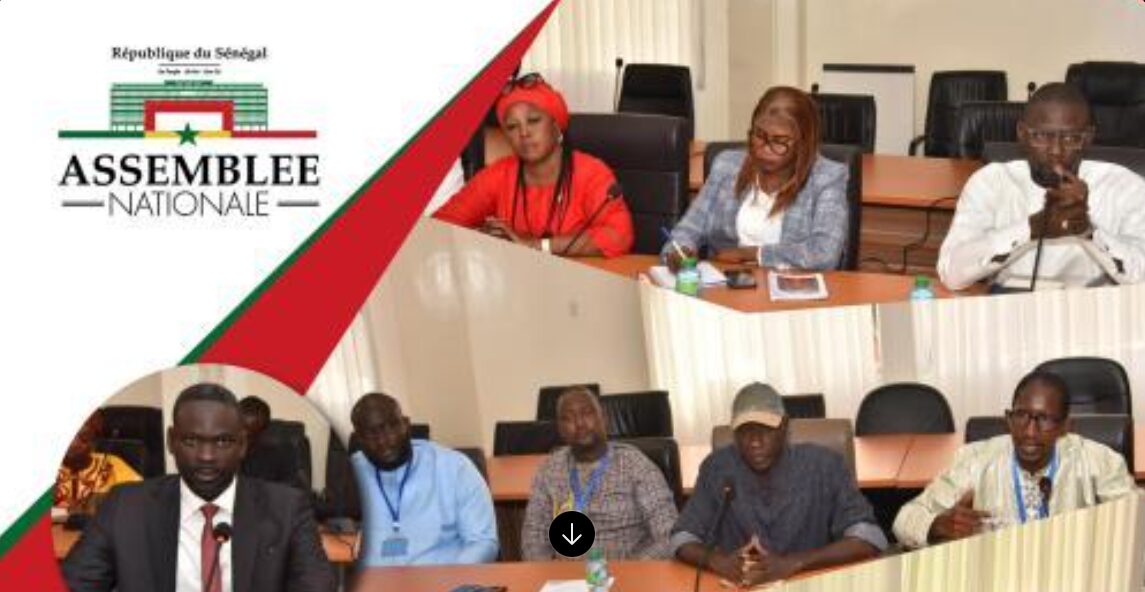
Sénégal Assemblée Nationale: Rejects 2026 LFR Budget Bill
Summary
- The Finance and Budget Control Committee of the Sénégal Assemblée nationale rejected the draft amended finance bill (LFR) 2026.
- This decision occurred on a recent Friday, preventing the bill from advancing in its current form.
- The rejection stems from significant disagreements between the government and parliamentary deputies.
- The LFR 2026 aims to modify the initial annual finance law for the upcoming fiscal year.
- This legislative setback could lead to delays or substantial revisions in Senegal's 2026 fiscal framework.
Legislative Setback for 2026 Budget
For lawyers advising clients on financial planning, public procurement, or regulatory compliance in Senegal for 2026, this legislative development is particularly noteworthy.
On a recent Friday, the Finance and Budget Control Committee of the Sénégal Assemblée nationale delivered a significant blow to the government's fiscal agenda by rejecting the projet de loi de finances rectificative (LFR) 2026. This pivotal decision means that the proposed amendments to the 2026 national budget will not proceed through the committee stage in their current form. The committee's stance underscores a growing divergence of views between the executive branch and parliamentary representatives concerning the nation's financial blueprint for the upcoming year.
The rejection of the LFR 2026 by such a crucial parliamentary body highlights the challenges faced by the government in securing legislative consensus for its economic policies. This outcome was not unexpected, as the deliberations leading up to the vote were marked by intense debate and strong disagreements among deputies regarding various provisions within the draft bill. The committee's refusal to endorse the measure signals a potential need for substantial revisions or a complete re-evaluation of the proposed financial adjustments.
Understanding the Amended Finance Bill Process
An amended finance bill, or Loi de Finances Rectificative (LFR), serves as a critical legislative instrument designed to modify the initial annual finance law in response to unforeseen economic shifts, new policy priorities, or updated revenue and expenditure forecasts. These bills are essential for ensuring that the government's financial operations remain aligned with the country's evolving economic realities throughout the fiscal year. The process typically involves the government drafting the bill, followed by scrutiny and approval by the relevant parliamentary committees, such as the Commission finances Assemblée nationale Sénégal, before a full vote by the entire Assembly.
The role of the Finance and Budget Control Committee is paramount in this legislative journey. This committee is tasked with a detailed examination of all financial legislation, including the Sénégal projet loi finances rectificative 2026, to ensure its fiscal prudence, adherence to budgetary principles, and alignment with national development objectives. Their rejection of the LFR 2026 indicates that, in their assessment, the current draft did not meet these criteria or failed to address the concerns raised by the deputies, leading to the current impasse.
Implications for Senegal's 2026 Fiscal Framework
The rejection of the LFR 2026 by the Sénégal Assemblée nationale carries significant implications for the nation's financial planning and governance in the coming year. This development could necessitate a re-submission of a revised bill, potentially delaying the implementation of key government programs or adjustments to public spending. The current situation underscores the robust oversight function of the legislative branch and its capacity to challenge executive proposals, particularly on matters of national finance.
For lawyers advising clients on financial planning, public procurement, or regulatory compliance in Senegal for 2026, this legislative development is particularly noteworthy. The rejection indicates potential significant changes or delays to the proposed fiscal framework, requiring close monitoring of subsequent legislative actions. The current rejection of the Sénégal législation budgétaire 2026 signals a period of uncertainty regarding the final shape of the budget, which could impact various sectors and investment decisions. The outcome of the LFR 2026 vote will undoubtedly shape the economic landscape and the relationship between the government and the parliament as they navigate the challenges of the upcoming fiscal year.
Practical Implications
Lawyers advising clients on financial planning, public procurement, or regulatory compliance in Senegal for 2026 must closely monitor the legislative developments surrounding the LFR 2026, as its rejection indicates potential significant changes or delays to the proposed fiscal framework.
Source
How does this affect you?
Get an AI analysis of this article grounded in your jurisdictions, practice areas, and any policy documents you've uploaded to Wansom.
Finish Reading the Full Story and the Expert Analysis.
Get the latest legal & regulatory intelligence in Senegal
Wansom is AI and can make mistakes.