
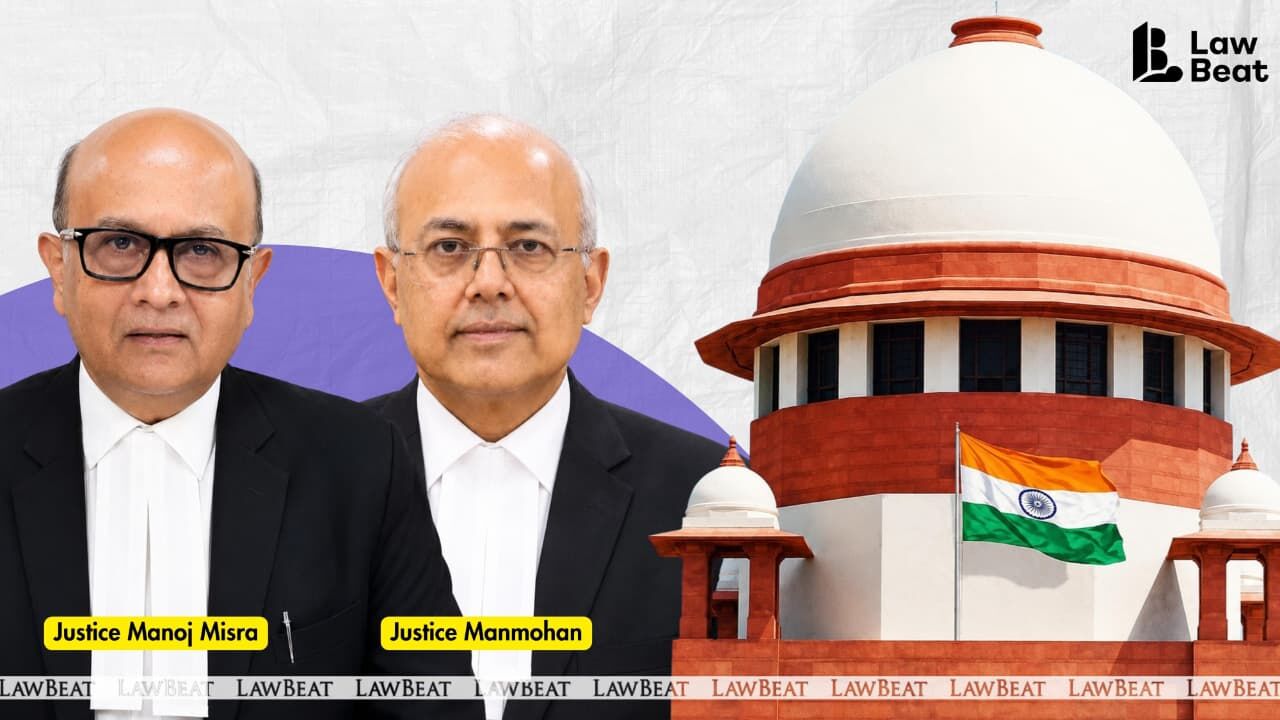
Supreme Court: Section 31 IBC Extinguishes Pending Creditor Claims
Summary
- The Supreme Court held that once an approved IBC resolution plan is put in place, all pending claims against the corporate debtor are extinguished.
- IBC resolution plans become binding on all stakeholders, including creditors and the corporate debtor, upon approval under Section 31.
- Admitting claims at a notional value does not preserve the creditor's right to continue litigation if the approved resolution plan provides for extinguishment of those claims.
Clean Slate Principle Takes Center Stage
The Supreme Court held that once an approved IBC resolution plan is put in place, all pending claims against the corporate debtor are extinguished.
The Supreme Court's recent judgment has reaffirmed the 'clean slate' principle in Indian insolvency law, holding that once an approved resolution plan is put in place under Section 31 of the Insolvency and Bankruptcy Code (IBC), all pending claims against the corporate debtor are extinguished. This means that creditors cannot continue lawsuits or initiate new proceedings against the successful resolution applicant. The court's ruling has significant implications for the IBC resolution process, as it provides a clear framework for stakeholders to operate within. By extinguishing pending claims, the 'clean slate' principle allows companies to start anew, free from the burden of unresolved disputes. This is particularly important in cases where the corporate debtor has been subject to multiple lawsuits and claims, which can hinder its ability to recover and grow.
IBC Resolution Plans: Binding on All Stakeholders
The Supreme Court's judgment also highlights the binding nature of IBC resolution plans. Once a plan is approved under Section 31, it becomes legally enforceable against all stakeholders, including creditors and the corporate debtor. The court emphasized that admitting claims at a notional value does not preserve the creditor's right to continue litigation if the approved resolution plan provides for extinguishment of those claims. This ruling underscores the importance of ensuring that all stakeholders are aware of their rights and obligations under the IBC. By providing clarity on the binding nature of IBC plans, the court has helped to reduce uncertainty and promote a more efficient insolvency resolution process.
Tata Steel vs Bhushan Steel: A Landmark Judgment
The Supreme Court's judgment in Tata Steel Ltd v. Varsha & Anr. is a significant development in the IBC jurisprudence. The case involved an appeal filed by Tata Steel, the successful resolution applicant for Bhushan Steel Limited (which was later renamed Tata Steel BSL Limited and subsequently merged with Tata Steel), against orders of the Bombay High Court's Nagpur Bench. The high court had dismissed Tata Steel's writ petition and review application, allowing a recovery suit filed by operational creditor Varsha to continue despite approval of the resolution plan. The Supreme Court's ruling has set a precedent for future cases, emphasizing the importance of adhering to the IBC framework and avoiding the invocation of inherent powers to challenge approved resolution plans.
Practical Implications
Lawyers should note that once an IBC resolution plan is approved, all pending claims against the corporate debtor are extinguished, and creditors cannot continue lawsuits or initiate new proceedings. This ruling reinforces the 'clean slate' principle in Indian insolvency law.
Source
How does this affect your business?
Get an AI analysis of this article grounded in your jurisdictions, practice areas, and any policy documents you've uploaded to Wansom.
Wansom is AI and can make mistakes.