
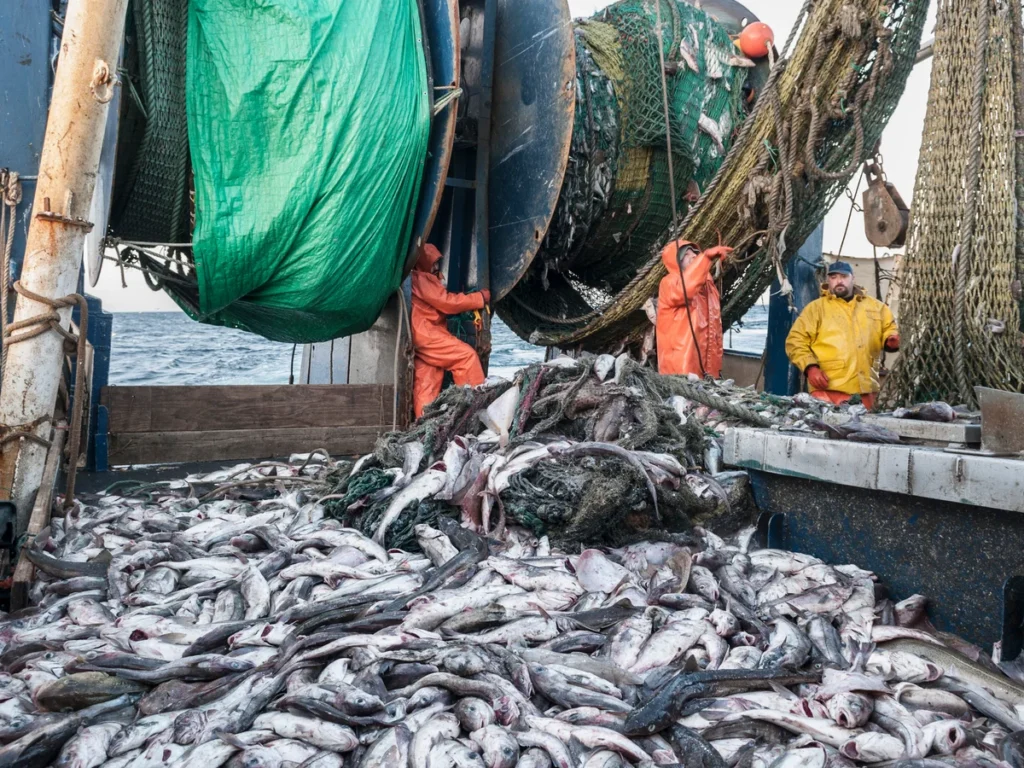
Scombrus Fishing: 1200 Tonne By-Catch From Two Vessels Questioned
Summary
- Over 1,200 tonnes of marine resources were recorded as by-catch from two Scombrus Fishing vessels over a 30-day period.
- Internal stock records, generated on July 17, show a combined 1,233,821 kilograms from the horse mackerel freezer trawlers Joka 2 and Omeya Blu.
- The vessel Joka 2 alone accounted for 575,430 kilograms of the reported by-catch.
- The substantial volume of by-catch reported by Scombrus Fishing has raised questions regarding compliance and sustainable fishing practices.
- This incident highlights the importance of accurate by-catch records and could lead to increased regulatory scrutiny for Namibian fishing companies.
Significant By-Catch Haul Recorded
The substantial volume of marine resources recorded as by-catch by Scombrus Fishing, totaling over 1,200 tonnes from just two vessels over a 30-day period, has raised questions regarding compliance and sustainable fishing practices.
A substantial volume of marine resources, exceeding 1,200 tonnes, was recently documented as by-catch from two horse mackerel freezer trawlers operating over a month-long period. This significant haul, recorded in internal stock documents from Scombrus Fishing, has drawn considerable attention within the industry.
Specifically, the records, which were generated on July 17, detail a combined total of 1,233,821 kilograms of by-catch attributed to the vessels Joka 2 and Omeya Blu. The Joka 2 alone accounted for a considerable portion of this figure, with its records indicating 575,430 kilograms of non-target species.
Regulatory Scrutiny and Data Integrity
The revelation of this extensive by-catch stems directly from Scombrus Fishing's own stock records, which are critical documents for tracking fishing activities and ensuring adherence to national regulations. The fact that such a considerable volume of non-target species was recorded within a mere 30 days from just two vessels raises immediate questions about the efficacy of current fishing practices and the integrity of reporting mechanisms. Indeed, the substantial volume of marine resources recorded as by-catch by Scombrus Fishing, totaling over 1,200 tonnes from just two vessels over a 30-day period, has raised questions regarding compliance and sustainable fishing practices.
Such internal data, dated July 17, typically forms the basis for regulatory oversight and can highlight potential Scombrus Fishing stock discrepancies if not properly managed or if the by-catch volume is unusually high. The scrutiny surrounding this Scombrus Fishing 1200 tonne by-catch questioned haul underscores the paramount importance of transparent and accurate Joka 2 Omeya Blu bycatch records for all fishing operations in Namibian waters, particularly given the potential for environmental impact.
Broader Implications for Namibia's Fisheries
This incident brings into sharp focus the ongoing challenges faced by Namibia fisheries bycatch dispute resolution and the broader goal of preventing marine resources overfishing Namibia. Effective Namibia fishing quotas enforcement relies heavily on precise reporting of both target species and by-catch, as excessive by-catch can significantly deplete non-target fish populations and impact ecosystem health, threatening long-term sustainability.
The scale of the reported by-catch from Scombrus Fishing's operations could prompt closer examination by regulatory bodies into the company's compliance protocols and the broader industry's adherence to sustainable fishing mandates. This situation highlights the critical need for robust monitoring and strict adherence to environmental guidelines to protect the nation's valuable marine ecosystems.
For legal professionals advising fishing companies in Namibia, this development signals a heightened risk of regulatory investigations or enforcement actions, particularly concerning by-catch reporting and overall quota compliance. Compliance officers within these organizations are now compelled to meticulously review their internal stock record-keeping and by-catch management strategies to proactively mitigate exposure to similar scrutiny and ensure their operations align with evolving regulatory expectations.
Practical Implications
Lawyers advising fishing companies in Namibia should monitor this development for potential regulatory investigations or enforcement actions related to by-catch reporting and quota compliance. Compliance officers must review their internal stock record-keeping and by-catch management protocols to mitigate exposure to similar scrutiny.
Source
How does this affect you?
Get an AI analysis of this article grounded in your jurisdictions, practice areas, and any policy documents you've uploaded to Wansom.
Finish Reading the Full Story and the Expert Analysis.
Get the latest legal & regulatory intelligence in Namibia
Wansom is AI and can make mistakes.