
SCA Ruling: Gauteng Fixed-Odds Casino Legality Clarified
Summary
- South Africa's betting turnover reached R1.4 trillion in 2025/26, vastly outstripping casino gambling which saw minimal growth.
- The Supreme Court of Appeal ruled in October 2025 that bookmakers licensed in Gauteng cannot offer fixed-odds bets on casino games.
- This `SCA ruling Gauteng fixed-odds casino` is specific to provincial legislation and does not uniformly prohibit such bets across all South African provinces.
- Online interactive casino gambling is banned under Section 11 of the National Gambling Act, while online betting on real-world events is generally permitted.
- Gambling companies spent R2.6 billion on advertising in the year to March 2025, and calls to the responsible gambling helpline surged to over 1.2 million in 2025/26.
Explosive Growth in South African Betting
The Supreme Court of Appeal's October 2025 decision specifically prohibits bookmakers licensed in Gauteng from offering fixed-odds bets on casino games under the province's gambling legislation.
South Africa's betting sector has experienced an extraordinary surge, with total betting turnover reaching R1.4 trillion in the 2025/26 financial year. This figure represents a staggering increase, being more than 57 times the R24.5 billion recorded in 2013/14. This rapid expansion encompasses wagers placed on sports, horse racing, various fixed-odds events, and other contingencies, primarily facilitated by licensed bookmakers and totalisators. The market is largely dominated by major players such as Betway and Hollywoodbets, reflecting a significant shift in the country's gambling landscape.
Betting turnover surpassed that of traditional casinos in 2021/22 and has continued its steep upward trajectory. In stark contrast, casino turnover has shown minimal growth over the past twelve years, rising from R251 billion in 2013/14 to R280 billion in 2025/26, an increase of approximately 12% before accounting for inflation. Notably, casino turnover actually declined in 2025/26 compared to the previous year, while the betting segment continued its robust ascent. The overall gambling sector, encompassing all forms, generated a total turnover of R1.76 trillion in 2025/26, an increase from R1.5 trillion in the preceding year. This comprehensive figure includes all funds wagered, even winnings that are subsequently re-bet.
After accounting for winnings paid out to patrons, operators collectively retained R84.5 billion in 2025/26, an increase from R74.5 billion in the prior year. A substantial portion of this, R62.2 billion, originated solely from betting activities. To contextualize the scale of these figures, the R84.5 billion lost by gamblers in 2025/26 is comparable to the R88 billion the state allocated to child support grants for nearly 13 million children during the same period.
Navigating the Online Gambling Regulatory Landscape
The regulatory framework for online gambling in South Africa draws a critical distinction between permitted online betting and prohibited interactive casino gambling. While licensed online betting, which involves wagering on real-world uncertain outcomes like sporting events, is generally allowed, online interactive casino games such as slots, roulette, and blackjack are explicitly banned under Section 11 of the National Gambling Act. This legislative prohibition aims to prevent the proliferation of virtual casino environments.
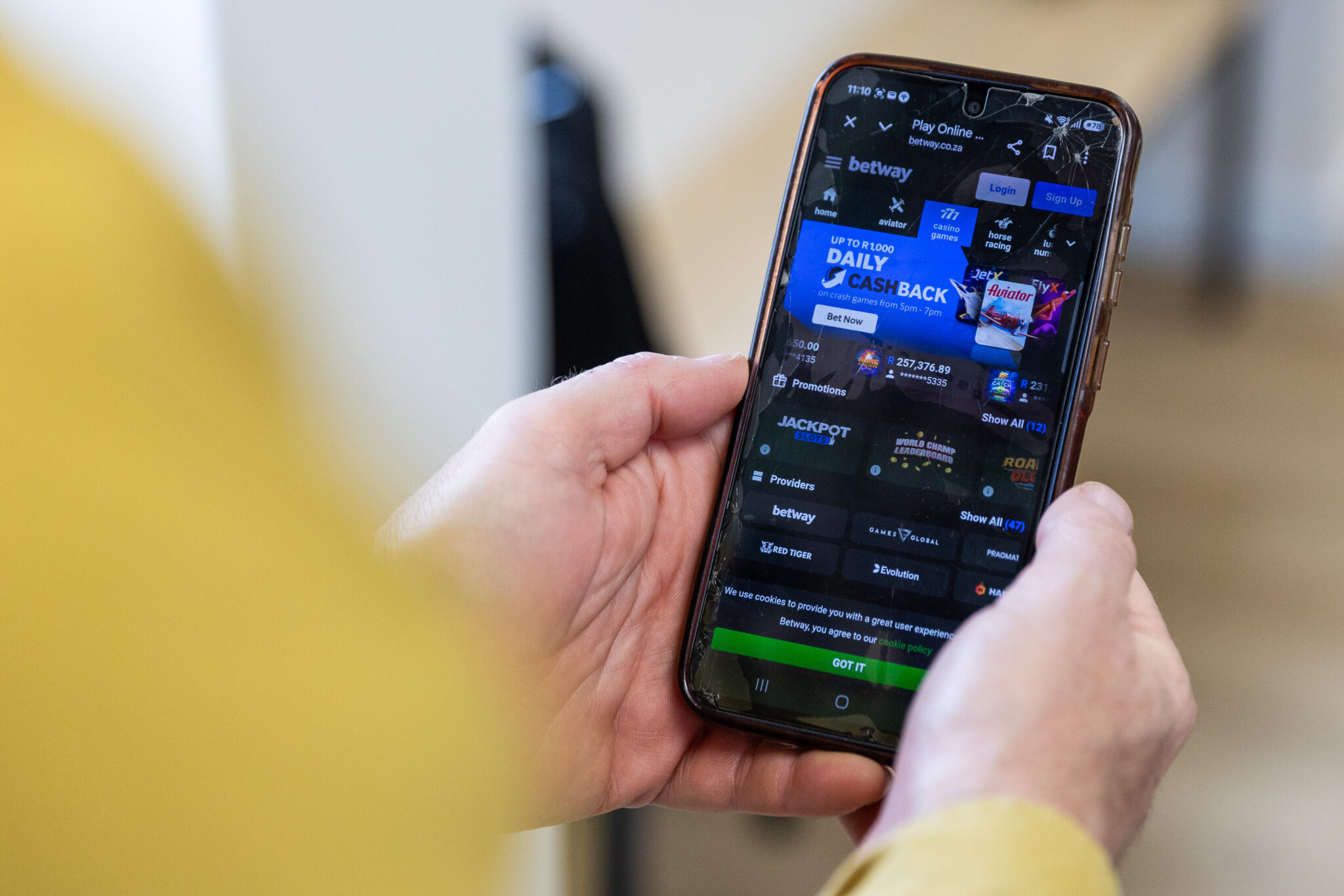
However, a perceived loophole has emerged where some bookmakers present interactive casino games, often through live-streamed formats, as `fixed-odds bets` on an outcome. This practice attempts to align these casino-style offerings with the legal definition of betting. This ambiguity led to a significant legal challenge, culminating in a pivotal `SCA ruling Gauteng fixed-odds casino` in October 2025. The Supreme Court of Appeal determined that bookmakers operating under a Gauteng license are expressly forbidden from offering fixed-odds bets on casino games, thereby clarifying the application of the `Gauteng Gambling Act`.
It is crucial to note that this ruling is specific to `Gauteng Gambling Act` legislation and does not establish a uniform `interactive casino gambling ban SA` across all provinces. Consequently, in other provinces, such as the Western Cape, these types of fixed-odds bets on casino games may still be permitted. This highlights the fragmented nature of `South Africa online gambling regulation` and the necessity for legal practitioners and compliance officers to understand provincial variations when advising clients on gambling operations.
Advertising and Social Responsibility Concerns
The burgeoning gambling market is supported by substantial advertising expenditure, with companies spending approximately R2.6 billion on promotions in the twelve months leading up to March 2025. Hollywoodbets alone contributed over R775 million to this figure. This aggressive marketing has not been without controversy, as exemplified by an incident in July where World Sports Betting conducted a cash-prize promotion within a preschool classroom at Cornwall Hill College in Pretoria. Following widespread outrage, the company issued an apology and withdrew from the campaign.
Beyond direct advertising, betting companies extensively sponsor and partner with many of the country's most prominent sports teams and events. These include high-profile associations with the PSL’s Betway Premiership, Bafana Bafana, Kaizer Chiefs, Orlando Pirates, the Proteas, the Springboks, and the Netball Proteas. Furthermore, numerous celebrities, including figures like Eben and Anlia Etzebeth, Cassper Nyovest, Siphiwe Tshabalala, Jimmy Tau, Phumudzo Manenzhe, Herschelle Gibbs, and JamJam, actively endorse online gambling platforms. Critics argue that such endorsements normalize and glamorize an activity that carries significant risks to financial and health well-being, potentially exacerbating societal problems.
In response to similar concerns, the United Kingdom implemented stricter regulations in 2022, which included prohibitions on gambling advertisements appealing strongly to under-18s, featuring individuals who are or appear to be under 25 in significant roles, and requiring clear disclosure from influencers. The increasing social impact of gambling in South Africa is further underscored by the National Responsible Gambling Programme’s helpline, which handled 1,263,470 calls in 2025/26. This represents a 25% increase from the 1,013,626 calls received in 2024/25, and a dramatic rise from just 140,263 calls in 2023/24, indicating a growing need for support services related to problem gambling.
Practical Implications
Lawyers and compliance officers must advise clients on the critical distinction between permitted online betting and prohibited interactive casino gambling in South Africa, particularly noting the Supreme Court of Appeal's ruling specific to Gauteng that bans fixed-odds bets on casino games. This highlights the need to monitor provincial gambling legislation and ensure compliance with varying jurisdictional requirements, as the ruling does not uniformly apply across all provinces.
Source
How does this affect you?
Get an AI analysis of this article grounded in your jurisdictions, practice areas, and any policy documents you've uploaded to Wansom.
Finish Reading the Full Story and the Expert Analysis.
Get the latest legal & regulatory intelligence in South Africa
Wansom is AI and can make mistakes.