
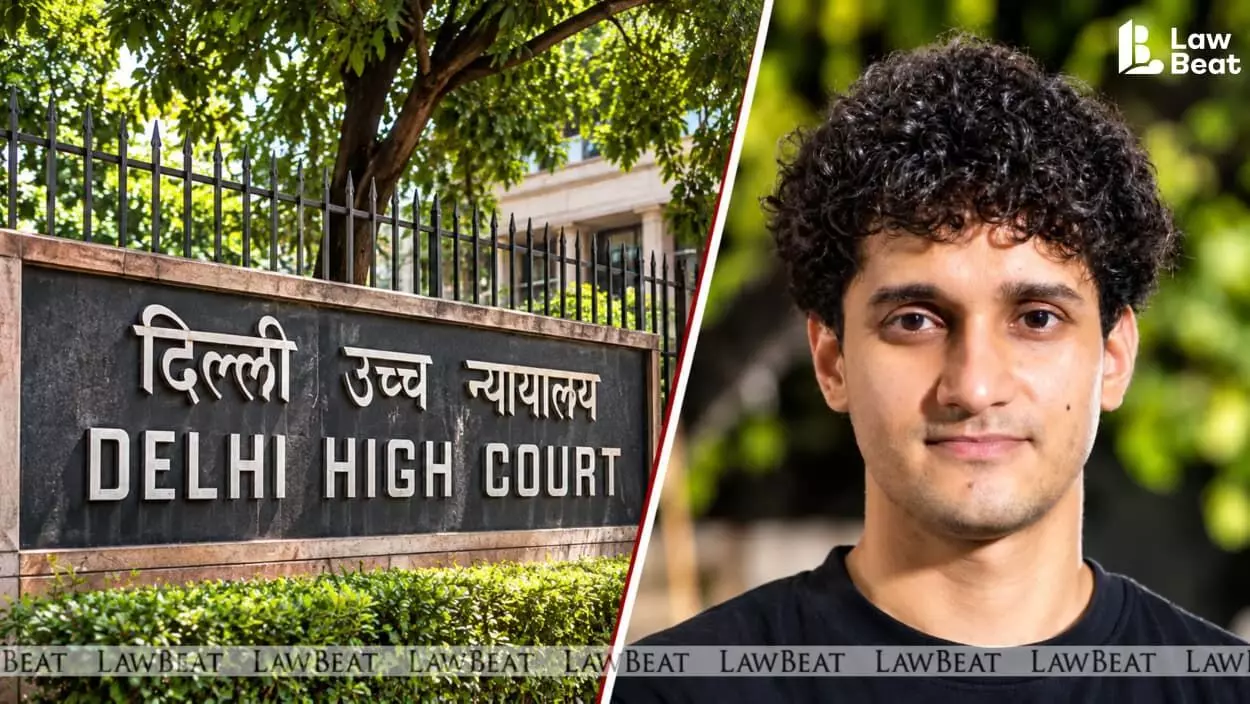
Delhi HC: Saurav Das Challenges Travel Ban Over Passport Discrepancy
Summary
- CJP co-convenor Saurav Das was stopped from boarding a London-bound flight at Delhi's Indira Gandhi International Airport without being shown any official order or Look Out Circular.
- Reports indicate the travel restriction was linked to a show-cause notice from the Regional Passport Office, Chennai, regarding an alleged discrepancy in his place of birth.
- The notice, issued hours before his flight, advised him not to use his passport and initiated proceedings under Section 10(3) of the Passports Act, 1967, for potential impoundment.
- Mr. Das filed a writ petition in the Delhi High Court, seeking an urgent hearing, which the court declined, scheduling it for the following day despite his counsel's pleas about the time-sensitive nature of his travel.
- His legal team argued that the absence of a formal order or LOC to justify the travel ban raises significant due process concerns.
Unexplained Travel Halt
Crucially, Mr. Das reported that he was not presented with any official order, a Look Out Circular (LOC), or any other directive that would legally prohibit his international travel.
Saurav Das, a prominent co-convenor of the Cockroach Janata Party (CJP), encountered an unexpected travel impediment at Delhi's Indira Gandhi International Airport during the late hours of November 23, extending into the early morning of November 24. He was preparing to board a flight destined for London, where he had scheduled engagements related to the "Cockroach Movement," including a speaking invitation at the Oxford Union and other commitments with students and institutions in Cambridge, the London School of Economics, and Edinburgh. Despite his passport being issued in 2019 and a history of international travel, immigration officials prevented his departure.
Crucially, Mr. Das reported that he was not presented with any official order, a Look Out Circular (LOC), or any other directive that would legally prohibit his international travel. This lack of formal communication from authorities formed the immediate basis of his legal challenge. The incident occurred just hours before his scheduled flight, raising questions about the procedural transparency surrounding such travel restrictions.
Passport Discrepancy Allegations
While no immediate official reason was provided at the airport, subsequent reports indicated that the travel restriction stemmed from an alleged discrepancy in Mr. Das's passport details, specifically concerning his place of birth. The Regional Passport Office (RPO) in Chennai had reportedly issued a show-cause notice on November 23, the very day of his attempted departure. This notice granted Mr. Das a period of seven days to provide an explanation for the alleged inconsistency.
The RPO's notice also advised Mr. Das against using his passport for international travel until he had submitted his explanation, initiating a process that could potentially lead to the impounding of the document. Mr. Das has publicly questioned the timing of this notice, noting its issuance merely hours before his scheduled flight. Under Section 10(3) of the Passports Act, 1967, passport authorities possess the power to impound or revoke a passport if it was obtained by suppressing material information or providing incorrect details. However, it is important to note that a show-cause notice itself does not constitute a final determination that such grounds for impoundment have been met.
High Court Intervention Sought
Following the airport incident, Mr. Das promptly filed a writ petition with the Delhi High Court, seeking an urgent intervention. His legal counsel requested a same-day hearing on Wednesday, emphasizing that Mr. Das had been prevented from traveling to the United Kingdom without any formal order or Look Out Circular being presented.
Despite the urgency conveyed by Mr. Das's legal team, who pointed out that the matter could become "infructuous" if delayed, especially with his flight scheduled for 7 PM the following evening, the Delhi High Court had declined the request for an immediate hearing on November 25, 2026. A bench comprising Acting Chief Justice Nitin Wasudeo Sambre and Justice Sanjay Sharma had reiterated that the petition would be taken up the next day. On November 26, 2026, the Delhi High Court heard Mr. Das's plea, during which the Central government informed the court that a Look Out Circular (LOC) had been issued against him at the request of Mumbai Police. The court has now sought the government's response and listed the matter for further hearing on December 9. His counsel had expressed concern that while Mr. Das could still potentially reach the UK by November 27, any delay, particularly if the Union sought additional time to respond, could ultimately frustrate his planned travel.
Due Process and Travel Rights
This case underscores critical questions regarding due process and the rights of individuals facing travel restrictions in India. The central contention by Mr. Das's legal team is the absence of any official documentation, such as a Look Out Circular, to justify the immigration authorities' decision to bar his travel. This highlights the importance of transparent and legally sound procedures when imposing such significant limitations on an individual's freedom of movement.
The timing of the show-cause notice, issued just hours before a scheduled international flight, also raises concerns about its potential impact on an individual's ability to respond adequately and exercise their right to travel. While the Passports Act, 1967, provides grounds for passport impoundment, the process typically involves a formal notice and an opportunity to be heard. The current situation, where a travel ban appears to have been enforced without a clear, immediate legal basis presented to the individual, emphasizes the need for clarity in administrative actions affecting fundamental rights.
Practical Implications
Lawyers should advise clients on the due process requirements for travel restrictions, particularly regarding Look Out Circulars (LOCs) and passport impoundment under the Passports Act, 1967. This case highlights the importance of challenging arbitrary travel bans where no formal order is shown, and the potential for passport discrepancies to be raised strategically to prevent international travel, necessitating prompt legal action.
Source
How does this affect you?
Get an AI analysis of this article grounded in your jurisdictions, practice areas, and any policy documents you've uploaded to Wansom.
Finish Reading the Full Story and the Expert Analysis.
Get the latest legal & regulatory intelligence in India
Wansom is AI and can make mistakes.