
Supreme Court: Khalid Jahangir Qazi OCI Blacklisting Case Adjourned
Summary
- The Supreme Court is considering a plea from Khalid Jahangir Qazi, an OCI cardholder, for restricted entry into India after his OCI card was cancelled due to alleged anti-India activities.
- The Indian government revoked Qazi's OCI card in May 2023 and blacklisted him, citing activities inimical to India's sovereignty and security, which were not disclosed to him for national security reasons.
- A single-judge bench of the Delhi High Court quashed the OCI cancellation in November 2024, ruling that Qazi was not given a fair hearing, a decision currently under appeal.
- During the Supreme Court hearing on November 27, 2026, ASG SV Raju opposed Qazi's entry, while Justice Bagchi suggested allowing restricted access given Qazi's advanced age.
- The case, KHALID JAHANGIR QAZI Vs UNION OF INDIA, highlights the ongoing legal conflict between national security claims and procedural fairness in OCI card cancellations.
Supreme Court Considers Entry Plea
The case of KHALID JAHANGIR QAZI Vs UNION OF INDIA highlights a critical tension between national security imperatives and the right to due process, particularly for OCI cardholders.
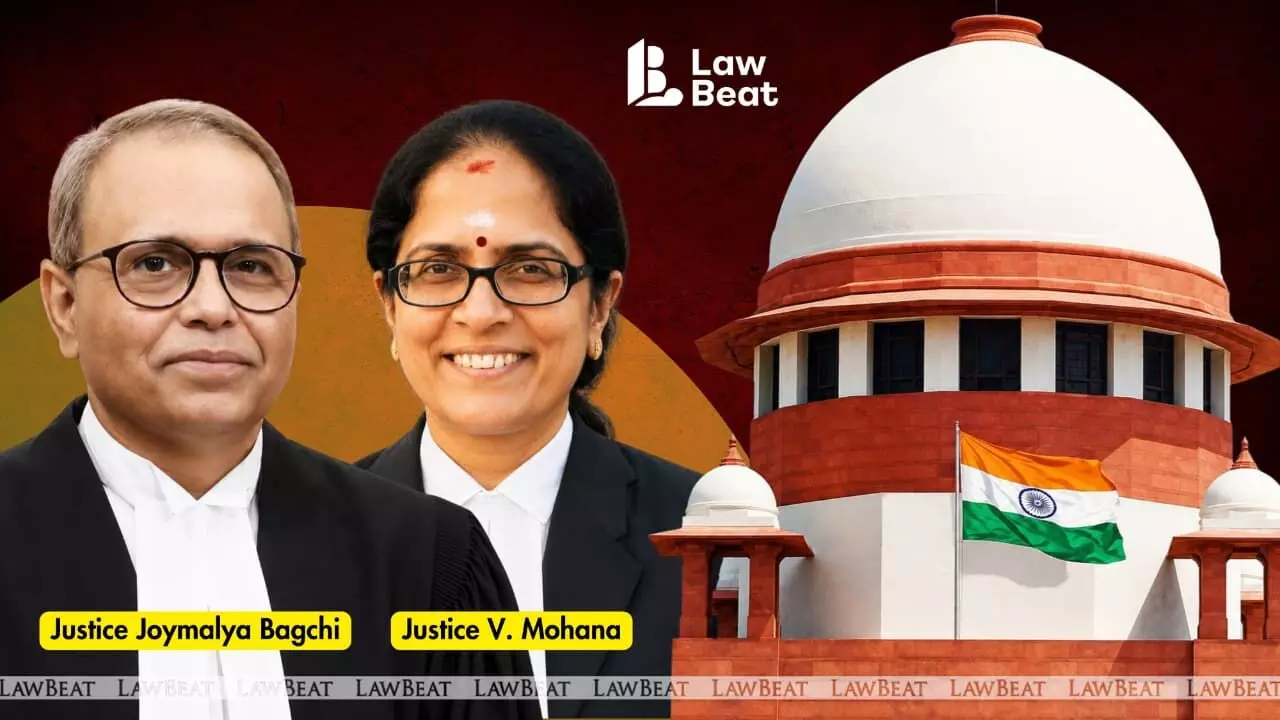
The Supreme Court recently addressed a petition from Khalid Jahangir Qazi, a US-based Overseas Citizen of India (OCI) cardholder, who is seeking restricted permission to enter India. Qazi's OCI card was revoked, and he was subsequently blacklisted due to allegations of engaging in anti-India activities. During the hearing on November 27, 2026, Justices Joymalya Bagchi and Mohana presided over the matter, which centers on Qazi's desire to visit Kashmir.
Additional Solicitor General SV Raju strongly opposed Qazi's request, characterizing him as a "rank separatist" with alleged ties to Pakistan's ISI intelligence agency. Raju also noted that the specific wedding Qazi had initially cited as a reason for his visit had already concluded. However, Justice Bagchi encouraged ASG Raju to reconsider, pointing out Qazi's advanced age, stated as "over 80," and suggested that his entry could be limited to a specific town where his sisters reside. In a lighter vein, ASG Raju countered that Qazi was "over 90" and perhaps not fit for travel. The court ultimately adjourned the proceedings, granting ASG Raju additional time to obtain further instructions from the government.
OCI Cancellation and High Court Intervention
The Indian government had previously cancelled Khalid Jahangir Qazi's OCI card in May 2023, citing his involvement in activities deemed "inimical to sovereignty and security of India." Concurrently, he was blacklisted under the provisions of the Foreigners Act. The Indian Consulate in New York had accused Qazi of propagating pro-Pakistan sentiments. Intelligence inputs and reports from the Ministry of External Affairs' security agencies formed the basis for a detailed assessment of Qazi's actions, which were believed to support pro-Kashmir separatism and anti-India lobbying.
Despite these serious allegations, a single-judge bench of the Delhi High Court, in November 2024, quashed the cancellation of Qazi's OCI card. The High Court's decision was predicated on the finding that Qazi had not been afforded a fair hearing before his OCI status was revoked. The government had maintained that the specific details of Qazi's alleged activities remained classified as "secret for the security of India" and could not be disclosed to him due to national security concerns. This ruling by the single judge is currently under appeal before a division bench of the Delhi High Court, indicating ongoing legal contention regarding the procedural fairness of such cancellations.
National Security vs. Due Process
The case of KHALID JAHANGIR QAZI Vs UNION OF INDIA highlights a critical tension between national security imperatives and the right to due process, particularly for OCI cardholders. The Bureau of Immigration's directive to "Prevent subject from entering India and inform Originator" underscores the government's firm stance on individuals perceived as threats. Senior advocate Parag Tripathi, representing Qazi in August before a bench led by CJI Surya Kant, emphasized that Qazi, then 82 years old, had visited India previously. Tripathi argued that given Qazi's age and that of his relatives, this might represent his final opportunity to visit Kashmir and be with his family members.
The conflicting outcomes from the Delhi High Court's single-judge bench, which prioritized procedural fairness, and the government's insistence on non-disclosure due to national security, set the stage for a complex legal battle. The Supreme Court's engagement with Qazi's plea, even if adjourned, signifies the judiciary's role in scrutinizing executive actions that impact fundamental rights and privileges, even when national security is invoked. The ongoing appeals in the Delhi High Court further complicate the legal landscape, leaving the ultimate resolution of Qazi's OCI status and his ability to enter India uncertain.
Practical Implications
Lawyers advising OCI cardholders or individuals facing blacklisting due to alleged anti-India activities should note the Supreme Court's engagement with the procedural fairness requirements for OCI card cancellations, particularly when national security is cited, and be prepared for prolonged litigation given the conflicting High Court decisions.
Source
Source: Original reporting via Live Law.
How does this affect you?
Get an AI analysis of this article grounded in your jurisdictions, practice areas, and any policy documents you've uploaded to Wansom.
Finish Reading the Full Story and the Expert Analysis.
Get the latest legal & regulatory intelligence in India
Wansom is AI and can make mistakes.