
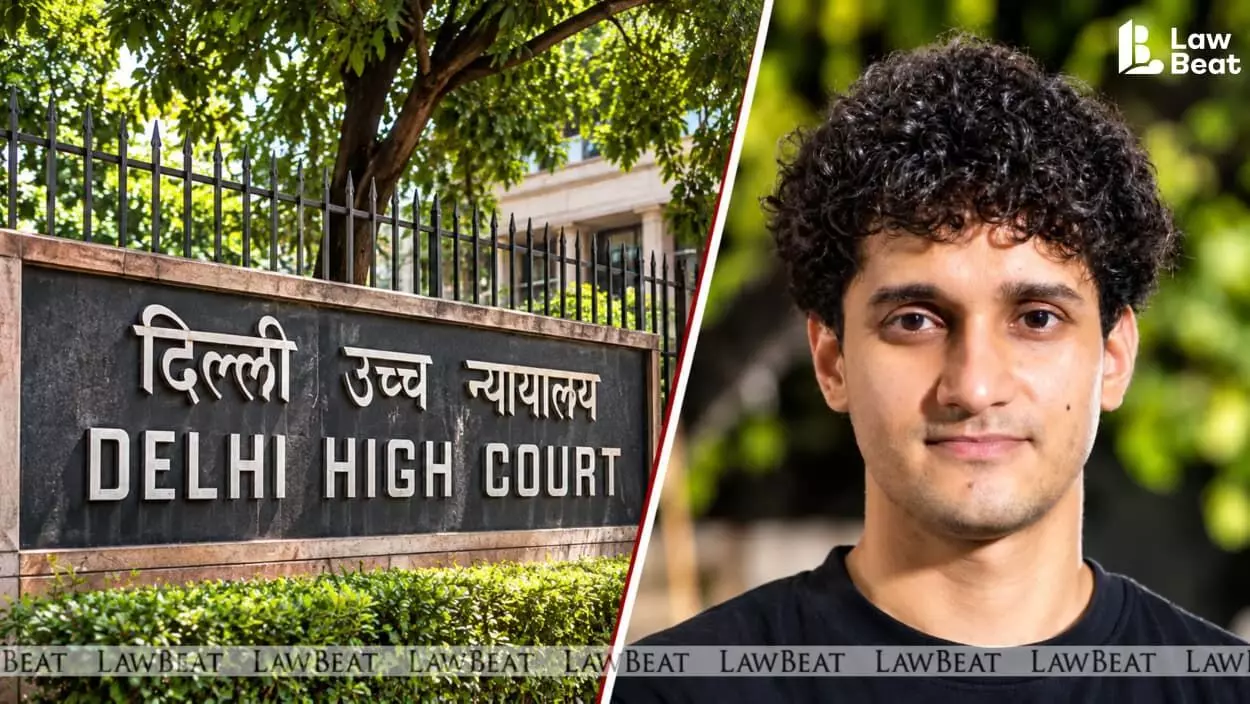
Saurav Das: Delhi HC Hears LOC Challenge, Passport Citizenship Discrepancies
Summary
- Saurav Das was prevented from traveling to London on November 23 due to a Look Out Circular issued by Mumbai Police.
- The Union Government informed the Delhi High Court about the LOC and a separate show-cause notice regarding passport discrepancies.
- The Regional Passport Office, Chennai, issued a notice to Das concerning his place of birth details, requiring a response by November 30.
- Authorities indicated that if the passport discrepancy is proven, it could have implications for Das's Indian citizenship.
- Das's counsel argued that he was not informed about the LOC at the airport and requested a copy from the court.
Travel Halt and Initial Court Action
The alleged discrepancy, if established, could fundamentally question Das's eligibility and have direct implications for his Indian citizenship.
Saurav Das, a co-convenor of the Cockroach Janata Party (CJP), encountered an unexpected travel impediment on November 23 when he was stopped from boarding a London-bound flight at Delhi airport. This prevention from travel was attributed to a Look Out Circular (LOC) that had been issued against him. The Union Government subsequently informed the Delhi High Court that this LOC was initiated at the request of the Mumbai Police, specifically by the Deputy Commissioner of Police, Zone 5, Mumbai, during the night of November 22 and 23.
During the Delhi High Court LOC proceedings, Das's legal representative, Senior Advocate Akhil Sibal, raised a key procedural concern. Sibal asserted that his client had not received any prior notification about the existence of the LOC, nor was he presented with any official documentation regarding it at the airport when he was denied boarding. In response, Additional Solicitor General (ASG) Chetan Sharma, representing the Union, indicated that Das now had the opportunity to formally challenge the Look Out Circular India challenge. Sibal, however, requested the court to direct the authorities to provide a copy of the LOC, enabling him to pursue appropriate legal remedies, and to officially record his submission regarding the lack of prior disclosure. The court acknowledged these points and adjourned the matter until December 9, instructing the Union to submit a detailed report.
Passport Discrepancy and Citizenship Concerns
In parallel with the travel restriction, Saurav Das was also served a show-cause notice by the Regional Passport Office (RPO) in Chennai on November 23. This notice pertained to alleged discrepancies found within his passport details, specifically highlighting inconsistencies related to his stated place of birth. The Union's counsel explained that this Passports Act show cause notice, accompanied by an advisory, was the outcome of an inquiry that uncovered multiple inconsistencies, including conflicting references to Delhi and Puducherry within official records. It was further noted that Das himself had previously acknowledged three such discrepancies in a petition he filed before the Madras High Court.
The Union maintained that the Bureau of Immigration's role in this matter was purely executive, emphasizing that it lacked the independent authority to determine the validity of a passport. ASG Sharma clarified that, as of the current proceedings, no order had been issued to invalidate or suspend Das's passport; rather, it remained a show-cause notice requiring his response. Das is mandated to reply to this notice by November 30, with further hearings anticipated. The Union cautioned that if Das fails to provide a satisfactory explanation, or if his explanation is deemed inadequate or inconsistent with the provisions of the Passports Act, authorities reserve the right to make an appropriate decision.
Potential Impact on Indian Citizenship
A critical element of the Union's arguments presented to the Delhi High Court centered on the potential ramifications of the alleged Indian citizenship passport discrepancy on Saurav Das's nationality status. The Union's counsel explicitly stated that should the discrepancy be substantiated through investigation, it could fundamentally challenge Das's eligibility and directly influence questions pertaining to his Indian citizenship. This assertion underscores the gravity of the administrative inquiry into his passport details.
Furthermore, the advisory issued alongside the show-cause notice, which recommended that Das refrain from using his passport until his explanation was submitted, was framed as a protective measure. This guidance was intended to safeguard him from the complications of traveling with a document whose validity was actively under official scrutiny. The Ministry of External Affairs subsequently confirmed on November 25 that the RPO, Chennai, had indeed issued this show-cause notice, which required Das to provide clarification within a seven-day period.
Broader Implications for Travel Rights
The circumstances surrounding Saurav Das's travel ban and the subsequent legal proceedings illuminate significant aspects of individual travel rights and the mechanisms for challenging state-imposed restrictions in India. The immediate imposition of a Saurav Das travel ban through a Look Out Circular, reportedly without prior notification to the affected individual, raises important questions regarding procedural fairness and transparency in administrative actions. This situation highlights the need for clear guidelines on informing citizens about such bans.
The dual nature of the challenge, involving both an LOC and a show-cause notice concerning fundamental passport details, underscores the complex legal and administrative hurdles individuals might face. The requirement for Das to respond to the passport discrepancy notice by November 30, coupled with the explicit mention that his Indian citizenship could be affected, illustrates the profound and far-reaching consequences that can arise from such administrative inquiries. The ongoing Delhi High Court LOC proceedings are therefore pivotal, as they are expected to provide clarity on the legal obligations of authorities to notify individuals about travel restrictions and to define the available avenues for redress against such measures.
Practical Implications
Lawyers should advise clients on the immediate legal steps to challenge a Look Out Circular (LOC) and the critical importance of responding to passport discrepancy show-cause notices, as these can directly impact travel rights and even Indian citizenship status, requiring careful procedural adherence and substantive defense.
Source
How does this affect you?
Get an AI analysis of this article grounded in your jurisdictions, practice areas, and any policy documents you've uploaded to Wansom.
Finish Reading the Full Story and the Expert Analysis.
Get the latest legal & regulatory intelligence in India
Wansom is AI and can make mistakes.