
Delhi Police: Saurav Das, Ashutosh Ranka in Jantar Mantar Custody for 5 Days
Summary
- CJP leaders Saurav Das and Ashutosh Ranka were remanded to five days of judicial custody for alleged trespassing at Jantar Mantar.
- The incident involved crossing police barricades and entering Jantar Mantar, which is no longer a designated protest site.
- Delhi Police alleged that Das and Ranka violated previously executed peace bonds, leading to their treatment as repeat offenders.
- Their lawyer, Abhisht Hela, disputed the police's claims of bond violation and the grounds for judicial custody.
- Jantar Mantar was de-notified as a protest site on October 11, with Ramlila Maidan, Burari Ground, and CBD Ground designated as alternatives.
What Happened
Lawyers advising clients on public assembly and protest rights in Delhi should be aware of the legal ramifications of protesting at de-notified sites and the strict enforcement of peace bond conditions, which can lead to judicial custody for alleged breaches.
Saurav Das and Ashutosh Ranka, prominent figures within the Cockroach Janata Party (CJP), have been placed in five-day judicial custody. This decision followed their preventive detention by the Delhi Police, stemming from an alleged incident of trespassing at Jantar Mantar. The two, alongside fellow CJP member Ajinkya Shinde, were initially detained and subsequently presented before a Special Executive Magistrate (SEM) at Mandir Marg in Delhi on a Wednesday morning. While Das and Ranka received the judicial custody order, Shinde was released on a personal bond, a detail confirmed by the party's legal representatives.
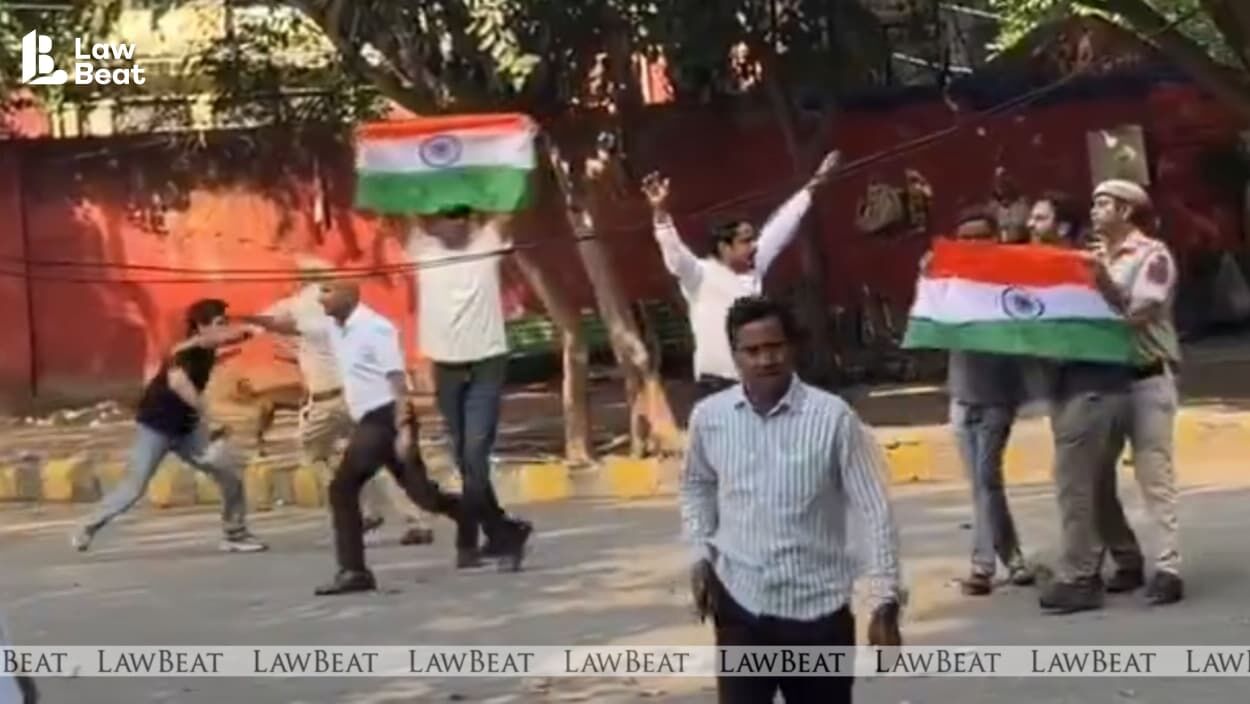
The charges against the CJP members are rooted in an event where they reportedly breached police barricades to gain entry into the Jantar Mantar area. During this alleged incursion, they were observed raising slogans and displaying the national flag. This incident occurred at a location that has since been officially de-notified as a designated protest site. The Delhi Police initiated a formal case against Das, Ranka, Shinde, and other individuals, citing allegations of trespassing, forming an unlawful assembly, and failing to comply with an order issued by a public servant.
Legal Context and Police Allegations
The Delhi Police's decision to pursue judicial custody for Saurav Das and Ashutosh Ranka was significantly influenced by their prior legal undertakings. According to police statements, both Das and Ranka had previously executed peace bonds, committing to maintain peace and exhibit good behavior for a duration of one year. These bonds were furnished after their detention during an earlier protest on October 10, at which point they were released upon providing surety bonds of ₹50,000 each. Authorities contend that their recent actions at Jantar Mantar constitute a direct violation of these previously agreed-upon conditions and the restrictions applicable to the area. Consequently, they were treated as repeat offenders when brought before the magistrate.
A pivotal element of the police's case is the altered status of Jantar Mantar. The site was formally removed from the list of approved protest venues, a decision solidified by an order issued by Delhi Police Commissioner Anurag Kumar on October 11. This directive specifically identified Ramlila Maidan, Burari Ground, and CBD Ground as the official locations for protests and demonstrations within Delhi. The police assert that the CJP members' entry into the de-notified Jantar Mantar area, particularly by crossing barricades, directly contravened these new regulations and their existing peace bond obligations.
Why It Matters
Advocate Abhisht Hela, representing Saurav Das, Ashutosh Ranka, and Ajinkya Shinde, has openly challenged the legal grounds for sending Das and Ranka to judicial custody. Hela disputes the police's assertion that the activists violated their peace bond conditions, arguing that the authorities' actions were based on a mere apprehension that the activists might commit an offense, rather than concrete evidence of a breach. Furthermore, the defense lawyer contested the police's claim that the activists had issued a public call for people to gather at the protest site. A notable point raised by Hela was the alleged use of a separate complaint, purportedly related to Connaught Place, in the current proceedings, suggesting a potential misapplication of evidence or charges.
This incident underscores the evolving landscape of public assembly and protest rights in Delhi, particularly following the de-notification of Jantar Mantar as a protest hub. The stringent enforcement of peace bond conditions and the legal ramifications of protesting at non-designated sites highlight a critical area for individuals and organizations involved in activism. The case of Saurav Das and Ashutosh Ranka serves as a stark reminder of the potential for preventive detention and subsequent judicial custody for alleged breaches of such undertakings, especially when authorities perceive a violation of public order or designated protest regulations. Lawyers advising clients on public assembly and protest rights in Delhi should be aware of the legal ramifications of protesting at de-notified sites and the strict enforcement of peace bond conditions, which can lead to judicial custody for alleged breaches.
Practical Implications
Lawyers advising clients on public assembly and protest rights in Delhi should be aware of the legal ramifications of protesting at de-notified sites and the strict enforcement of peace bond conditions, which can lead to judicial custody for alleged breaches.
Source
How does this affect you?
Get an AI analysis of this article grounded in your jurisdictions, practice areas, and any policy documents you've uploaded to Wansom.
Finish Reading the Full Story and the Expert Analysis.
Get the latest legal & regulatory intelligence in India
Wansom is AI and can make mistakes.